
What our Clients Need to Know Before Travelling
If you’re travelling to Europe this year, there’s an important change now in place, and it’s something we’ve been preparing our clients for over the past few months. As of 10 April 2026, the EU’s Entry/Exit System (EES) is live across the Schengen Area. In simple terms, passport stamps are being replaced with a digital system that records your entry and exit electronically.
On the surface, it’s a positive step forward. As with any major change rolled out across multiple countries, there will be a period of adjustment, and this is where our advice really matters.
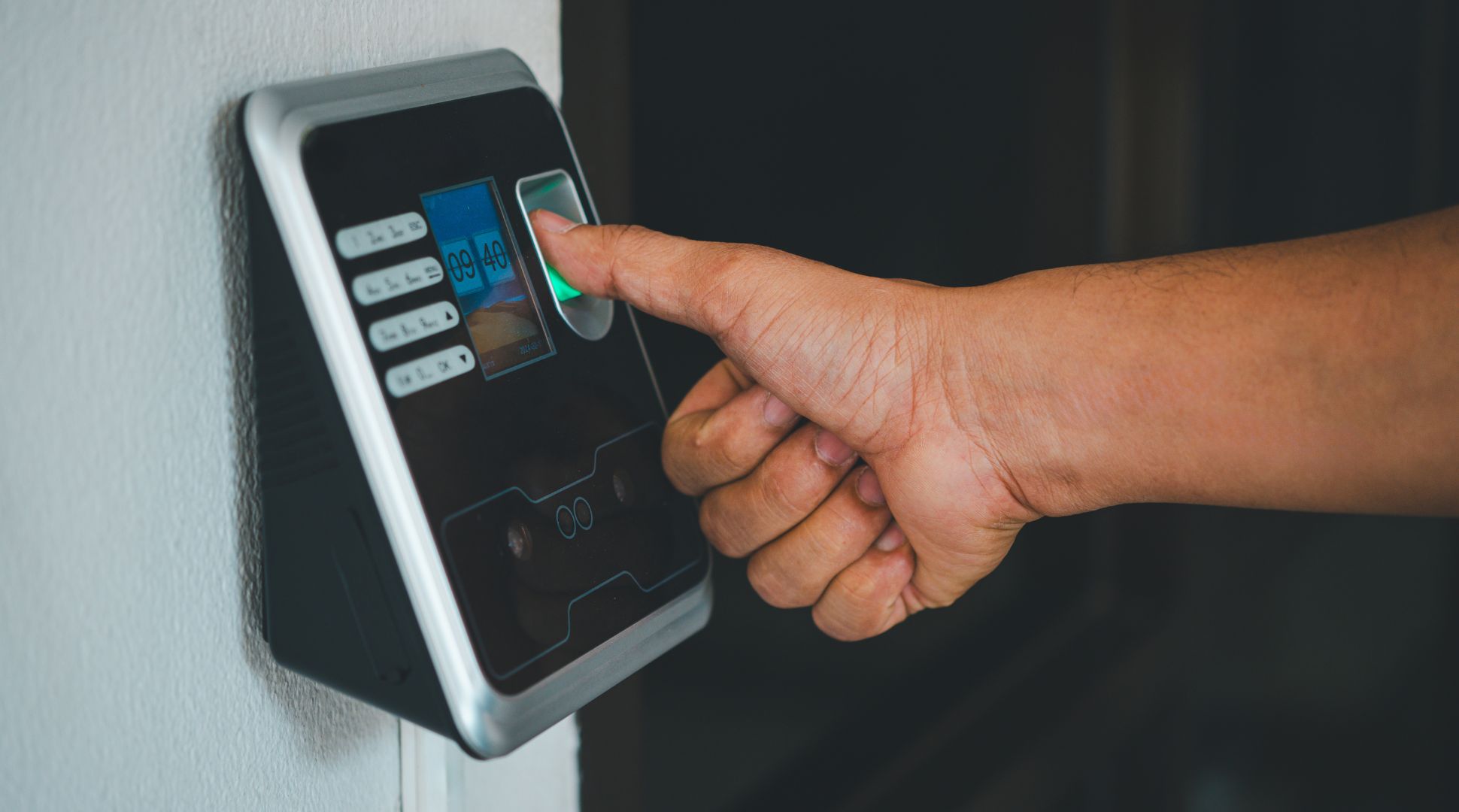
The system works by scanning your passport, taking a facial image, and, on your first visit, recording fingerprints. This creates a digital record of your movements in and out of Europe and links directly to the well-known 90 days in 180 rule.
What this Means in Practice
From our perspective, this is not about new rules, it is about stricter tracking. The rules have not changed, but the way they are monitored has. It is now much more precise, so it is important that travellers understand exactly how long they are spending in Europe.
What to Expect at Airports
From what we are seeing already, the biggest impact for our clients will be at the airport. This is particularly true for anyone travelling over the next few months while the system settles in. We are advising all of our clients to allow extra time, especially on their first trip under the new system. Biometric checks take longer, and at busy airports, queues are expected.
We are not saying this to worry anyone, but to set expectations. If you go prepared and allow extra time, it is manageable. People get caught out when they assume it will be the same as before.
Connecting Flights need Closer Attention
One area we are discussing more with clients is connecting flights, as this is where the detail really matters. If you remain airside during a connection, nothing changes.
However, if your journey requires you to pass through passport control, which is very common at major European hubs, you are officially entering the Schengen Area, even if it is only for a short stopover. This means the EES process applies in full.
Airports such as Amsterdam, Frankfurt and Paris are key examples where this happens regularly, and we are now factoring it into every itinerary we build.
This is where experience makes a real difference. A short connection that worked in the past could now feel quite stressful, particularly during peak periods or while the system is still new. In practical terms, we recommend at least three to four hours for connections involving immigration. It may feel generous, but it gives you valuable breathing space if there are delays at border control.
Travel Insurance Still Matters
We have also had a number of questions about travel insurance. To be clear, you will not be asked to show proof of insurance at the border. However, that does not make it any less important. If you are denied entry because your documentation is not correct, travel insurance will not cover this. Making sure everything is in order before you travel is essential.
You can read more travel insurance advice here.
Our Advice to Clients Before Travelling
For our clients, our advice is simple. Allow extra time at the airport, check your itinerary carefully, and understand whether your journey involves clearing immigration at any point. Keep your documents accessible and, as a sensible precaution, hold on to boarding passes and confirmations. It is a cautious approach, but a sensible one, especially while the system is still new.
Looking Ahead to ETIAS
Looking ahead, this is just the first step. The EU is also introducing ETIAS later in 2026, which will require UK travellers to apply for travel authorisation before visiting Europe, like the ESTA for the United States. This is why we are already having these conversations now. Many of our clients are booking well in advance and understanding how travel is evolving is part of planning a smooth trip.
Planning Ahead Makes All the Difference
Travel is not more difficult than it used to be, but it is more detailed. That is where we come in, making sure everything is thought through before you travel so there are no surprises along the way.
The new Entry/Exit System is a positive move, but it will take a little time to settle. Our advice is to plan ahead, allow extra time, and travel with the right expectations. With the right preparation, this will quickly become just another part of the journey.
If you need more support, we run a free travel advice service. Feel free to speak to us, we’re here to help!