
By Gilly Bachelor, Travel Expert
The continuing Middle East conflict is raising new questions for holidaymakers about flights, fuel shortages, travel insurance, refunds, and where it is safest to travel. From rerouted flights and rising air fares to the importance of ABTA and ATOL protection, here is what travellers need to know before booking a holiday in uncertain times.
What’s Happening?
Following Michael O’Leary’s interview today, many travellers are asking about the potential impact of fuel shortages on their holidays. Ryanair’s CEO warned that if instability in the Middle East continues, disruption to jet fuel supplies could start affecting Europe as early as May or June.
This comes on top of the ongoing ripple effects from the conflict. Flights are being rerouted, journeys are longer, and operating costs are rising. Destinations such as the Maldives, Australia, and New Zealand are particularly affected due to their reliance on Middle Eastern airspace. Even closer to home, rising jet fuel prices are adding pressure across the board, which is shaping flight pricing and availability for many routes.
How you Book Makes a Difference
The vast majority of the holidays we book for our clients are ABTA and ATOL-bonded packages, whether with operators like Jet2 Holidays or TUI, or as one of our tailor-made itineraries. This means you have the strongest protection under the Package Travel Regulations. If official advice changes, refunds or alternative arrangements must be offered, giving you peace of mind even in uncertain times.

Independent travel can be trickier. Through our free Travel Advice helpline, a service that we have continued to operate since COVID, we have been contacted by travellers who have been affected by travel disruptions in very real and significant ways.
One traveller had booked a luxury hotel in Dubai directly. The hotel is open and operating normally, so standard terms applied. As a gesture, they allowed the booking to move to November, but it is not a trip the traveller wants to take unless FCDO advice changes.
Another traveller had booked a cruise from Singapore. The cruise itself was non-refundable, but their flights via the Middle East were cancelled. They received a refund for the flights, but replacement tickets cost nearly four times as much.
In situations like these, people would traditionally rely on travel insurance for financial protection. However, in both cases, the policies did not cover cancellations due to conflicts, leaving travellers exposed.
Shifting Demands: Where Feels Safe?
In response to the Middle East situation, many UK holidaymakers are pivoting towards destinations perceived as more stable and easier to reach. European and Mediterranean favourites are seeing strong demand, including Spain (Balearics and Canaries), Portugal (especially the Algarve), Italy, Malta, Croatia, and parts of Greece.
Longer-haul options are attracting those seeking sunshine or adventure without relying on Middle Eastern transit hubs. Popular choices include the Caribbean (Barbados, Jamaica, Antigua, Mexico), the USA (direct flights to New York, Orlando, Las Vegas), Thailand, the Maldives (via direct or alternative routings), and South Africa.
This increased demand has led to a significant uplift in pricing for flights. A real example from me: I am joining an Explora Journeys ten-day cruise, and I already have business class flights booked from London to Miami for November with BA. I paid just over £2,000 per ticket. If I were to book today, the cost has doubled to £4,000, so I would be flying economy.

There are Bargains, But…
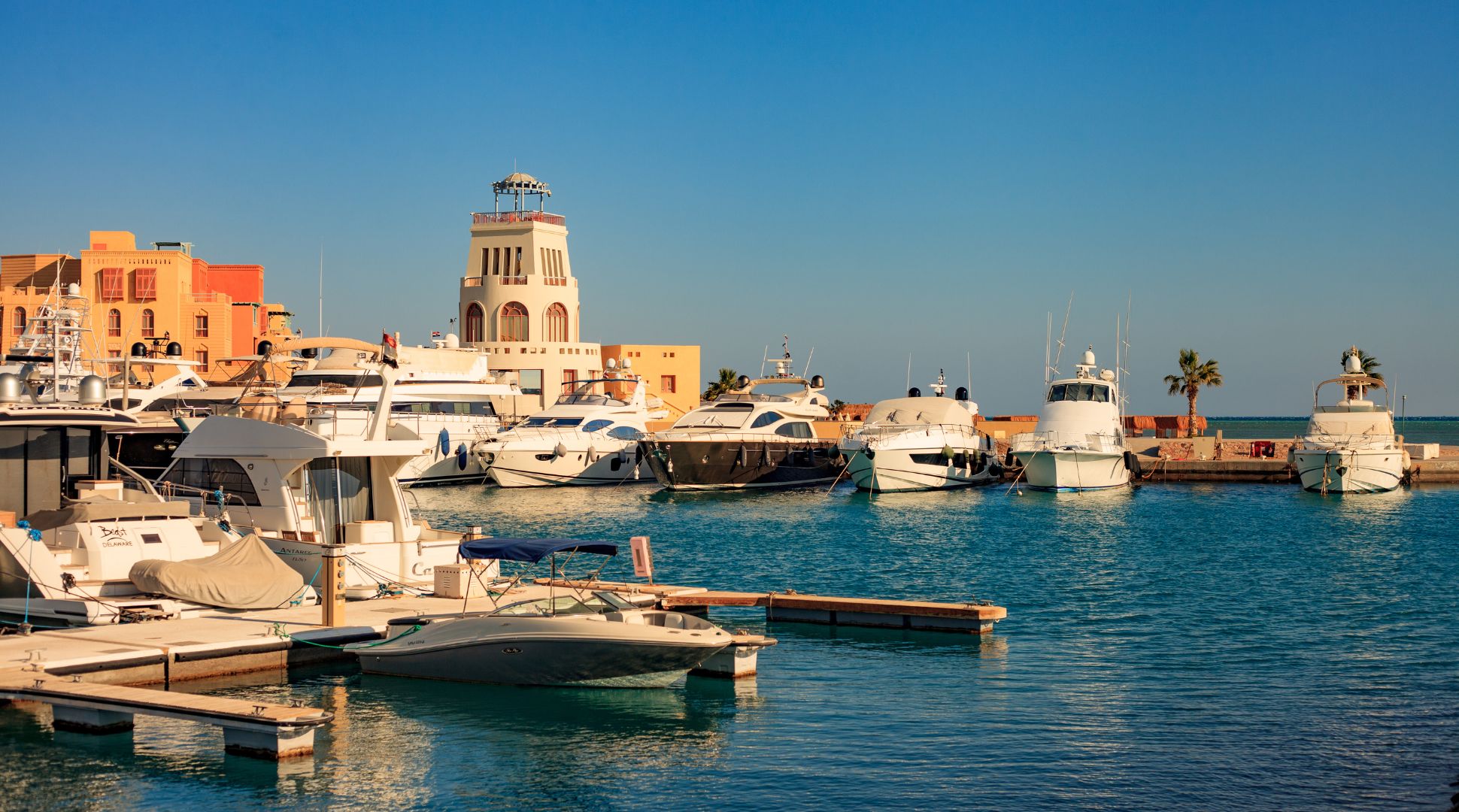
Cyprus, Turkey, and Egypt are open and operating normally. Because of their perceived proximity to the conflict, cancellations have created excellent value for those comfortable travelling. For example, I have sold more holidays to Egypt in the last month than in all of last year, with El Gouna proving particularly popular (and I am happy to recommend it).
Before snapping up bargains, it is important to be honest with yourself and your travel companions about how you respond to uncertainty. For example, during the drone strike on RAF Akrotiri in March, we had travellers in Cyprus relaxing by the pool, completely unbothered, while others phoned us wanting to return home immediately.
For Cyprus, Turkey, and Egypt, certain travel advisories remain in place from the FCDO, but tourist areas are deemed safe. If you decide to amend or cancel a trip due to personal concern, the costs fall to you, as refunds are only triggered if the FCDO advises against all but essential travel.
Understanding Flight Pricing, Risk, and Flexibility
Right now, there is a huge difference in pricing depending on how you book. For example, for travel in March 2027, I can get a business class ticket to the Maldives (via Doha) for under £3,000 on Qatar Airways, my personal favourite, whereas a direct British Airways flight costs £9,000.
If you decide to take advantage of these well-priced flights, you either need to ensure they are fully flexible so you can cancel at any time and receive a full refund, or be prepared to travel.For package holidays that transit the Middle East, if the FCDO changes its advice to allow airside transit rather than a blanket “against all but essential travel,” your holiday would continue as booked. In that case, you would not be entitled to a refund, even if you personally feel uncomfortable travelling.
To put this in perspective, consider the Galápagos Islands. The main gateway is Guayaquil, Ecuador. FCDO advice there is against all but essential travel, but airside transit is still permitted, so holidays continue. We do not know if a similar approach will be applied to the Middle East, so travellers need to be prepared. If you book without flexibility, you could lose your right to cancel or get a refund, and the trip would go ahead regardless.
What Happens if a Flight is Cancelled Due to Lack of Fuel?
Following Ryanair CEO Michael O’Leary’s interview today, this has been a question on many travellers’ minds:
- Package Holidays: You are protected. If your flight is cancelled due to fuel shortages, the operator will either rebook you on an alternative flight or, if no suitable alternative exists, provide a full refund. Your other arrangements, such as hotels or transfers booked as part of the package, are also covered under the Package Travel Regulations. Importantly, if you are already away and your return flight is affected, the operator is responsible for getting you home.
- Flight-Only Bookings: You would be entitled to a refund for the cancelled flight. However, if you have other arrangements, such as a cruise, hotel, or transfer, these would be subject to their own terms and conditions, which may mean no refund.
Why Compensation is Unlikely
EU261/UK261 rules cover flight cancellations and delays, but they do not guarantee compensation when cancellations are caused by “extraordinary circumstances,” which include fuel shortages and geopolitical events. This means that while you are entitled to a refund for the affected flight, you are unlikely to receive additional compensation beyond that.
A Personal Note from Me
This is exactly why we always sit down with clients and chat through the bigger picture before any booking.
“Travel should feel like a proper escape, not something that leaves you worrying the whole time. The current situation is a reminder that everyone has a different comfort level with uncertainty, and it’s important to be honest about yours.”
Gilly Bachelor
Package holidays give you strong protection, and flexible flight options help if you’re travelling independently. But even with those safeguards, you need to feel confident about the choices you make. Talking through how to book, where to be flexible, and how to plan with confidence is what allows you to truly enjoy your holiday, without letting external events cast a shadow.
At the end of the day, the best decision is the one that lets you and your travel companions switch off, relax, and simply make the most of your time away. That’s what I want for everyone I work with.