
Over the past few days, many of you have understandably been watching developments in the Middle East very closely, as the escalating US–Iran conflict, with involvement from Israel, continues to affect airspace across the region.
The biggest impact right now is on major aviation hubs such as Dubai, Abu Dhabi and Doha, which normally act as vital connecting points for flights to destinations across Asia, the Indian Ocean and Australia.
Latest Travel Updates
As of today (6 March 2026), airlines including Emirates, Etihad Airways and Qatar Airways are operating only very limited schedules. Many regular commercial flights remain suspended or heavily restricted while regional airspace closures and security assessments continue.
Airlines are focusing on essential operations, including repatriation flights, cargo services and a small number of priority passenger routes where safe corridors are available. This means many travellers are experiencing cancellations, delays or rerouting via longer flight paths.
For example, Emirates flights to and from Dubai are currently suspended until at least the evening of 7 March UAE time, while both Etihad and Qatar Airways continue to review their schedules in short time windows as the situation evolves. As always, passengers should travel to the airport only after receiving direct confirmation from their airline.
Supporting Our Clients Through the Crisis
While the aviation disruption is understandably causing concern, the feedback we’re receiving from people actually in the region has been reassuring. Several of our clients and industry colleagues currently in Dubai have been in touch, and the consistent message has been that although travellers are understandably keen to get home, the atmosphere on the ground remains calm and well organised, and they feel very safe.
We’ve also had clients return recently from Cyprus who mentioned an increased military presence at the airport on departure, linked to the wider regional tensions. However, they were keen to stress that the situation had no impact on their holiday at all, and they enjoyed a fantastic trip with tourism areas operating as normal.
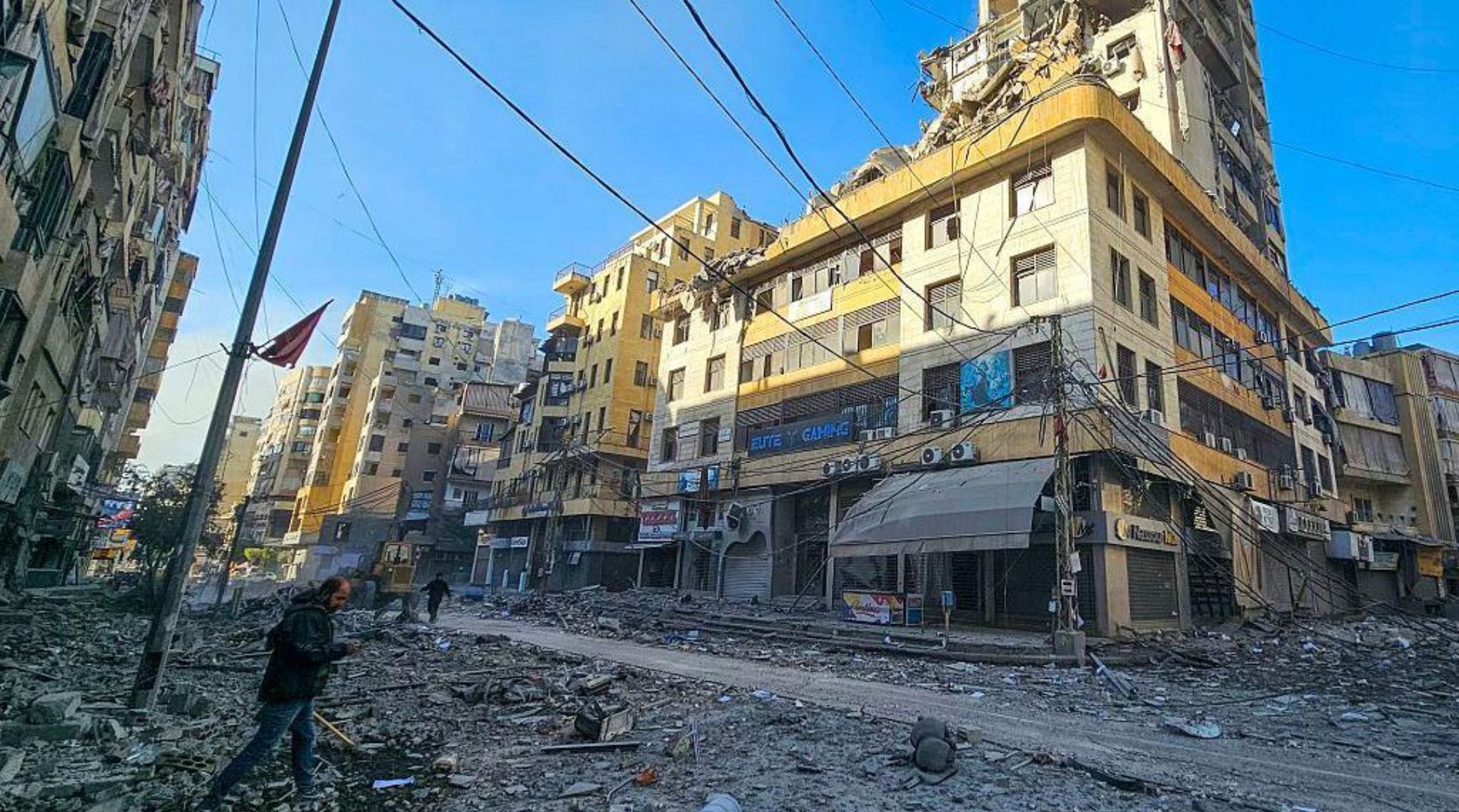
How Long Could Disruption Last?
The situation is still evolving, and it’s difficult to say how long disruptions may continue. Initially, there was some optimism that the airspace closures would be short-lived, but at the moment, there’s no clear timeline for a full return to normal operations.
I’m currently travelling in South Africa, but our team and I spent most of the last few days in full crisis-management mode responding to a surge of concerned clients as the news developed. With many of our travellers scheduled to transit through hubs such as Dubai, Abu Dhabi and Doha, it is a complex situation of rerouting, rebooking and providing reassurance.
I’ve also been speaking with the media about the situation, appearing on BBC West Midlands Radio and BBC West Midlands television, where I discussed what these developments mean for travellers and how people can best protect themselves when booking holidays.
FCDO Guidance and Traveller Protection
One key point worth highlighting is the role of the UK’s travel advice. The Foreign, Commonwealth & Development Office is currently advising against all but essential travel to the UAE due to the regional risks. When that guidance changes, it can trigger important protections for travellers.
If you’ve booked a package holiday through an ABTA-bonded travel agent like us, that advice means you are entitled to a full refund or a suitable alternative holiday if your trip is affected. It’s also a good reminder that most standard travel insurance policies exclude claims related to acts of war or declared conflicts. That’s why booking a fully protected package holiday can provide such valuable financial protection and support when situations like this arise.
We’ll Keep Monitoring the Situation
As always in travel, things can change quickly, and the industry is incredibly good at adapting and finding solutions. Airlines, tour operators and travel advisors are working around the clock to help affected passengers and plan safe alternatives.
If you’ve booked with us, please don’t worry, we are monitoring the situation constantly and will contact you directly if your travel plans are affected. If you booked independently, the best advice is to keep checking the airline’s official travel updates and the latest FCDO guidance.
Above all, we hope to see a peaceful de-escalation soon. Until then, we’ll continue doing what we always do, keeping a very close eye on developments and supporting our clients every step of the way.
Stay safe, and we’ll keep you posted.
Gilly x