

My Review of National Geographic-Lindblad Expeditions Voyage Through Scotland’s Wild Isles
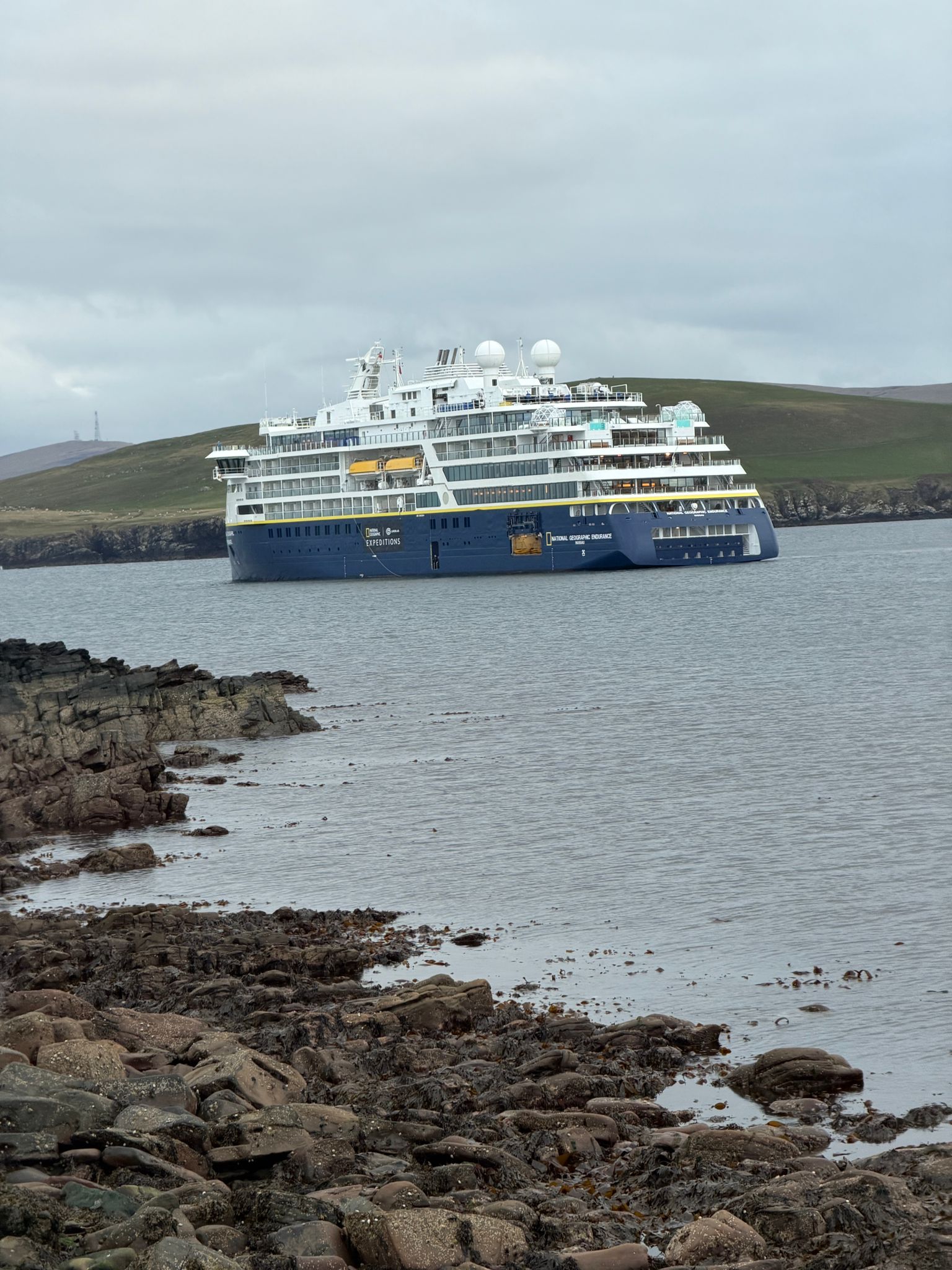
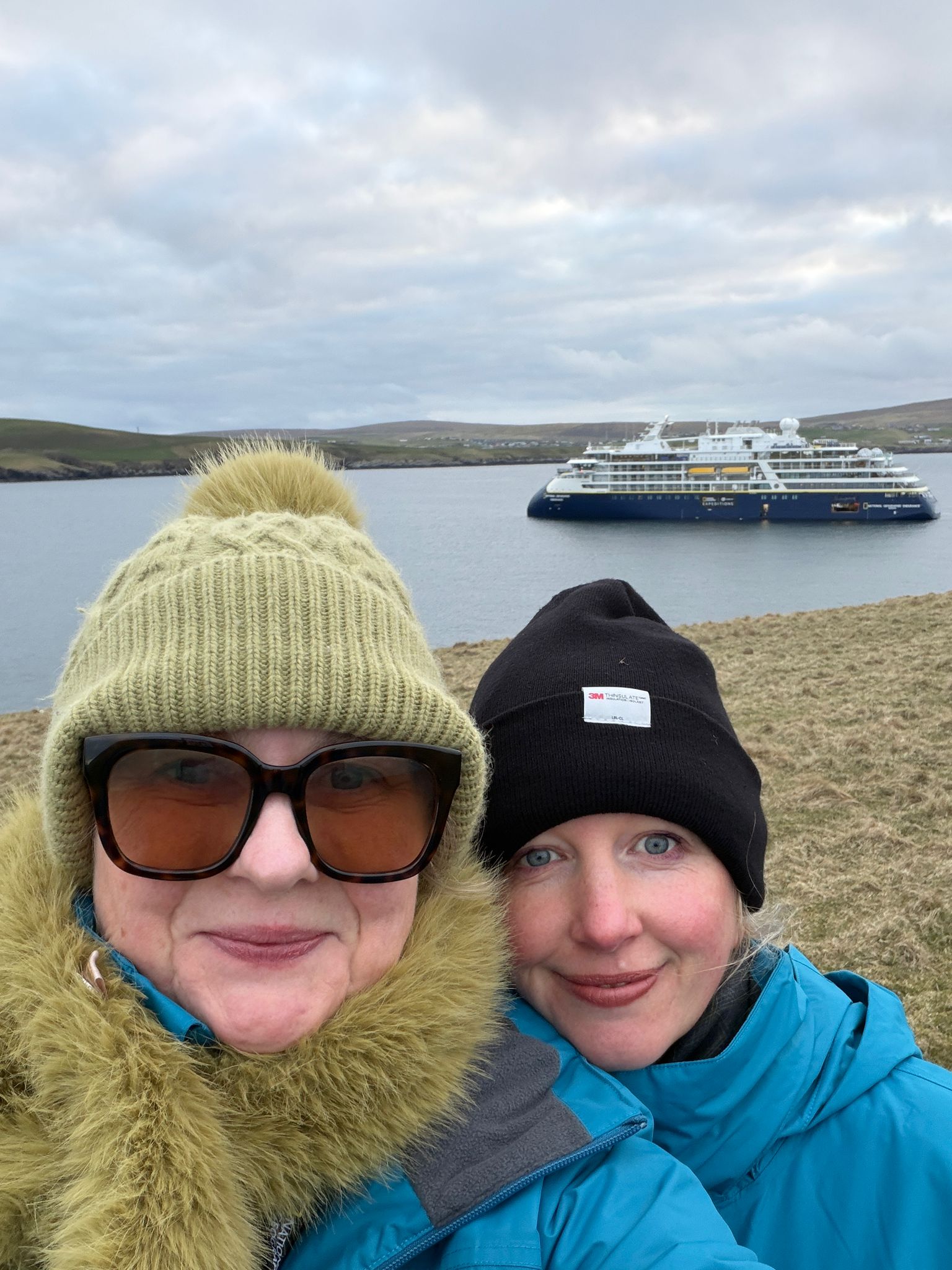
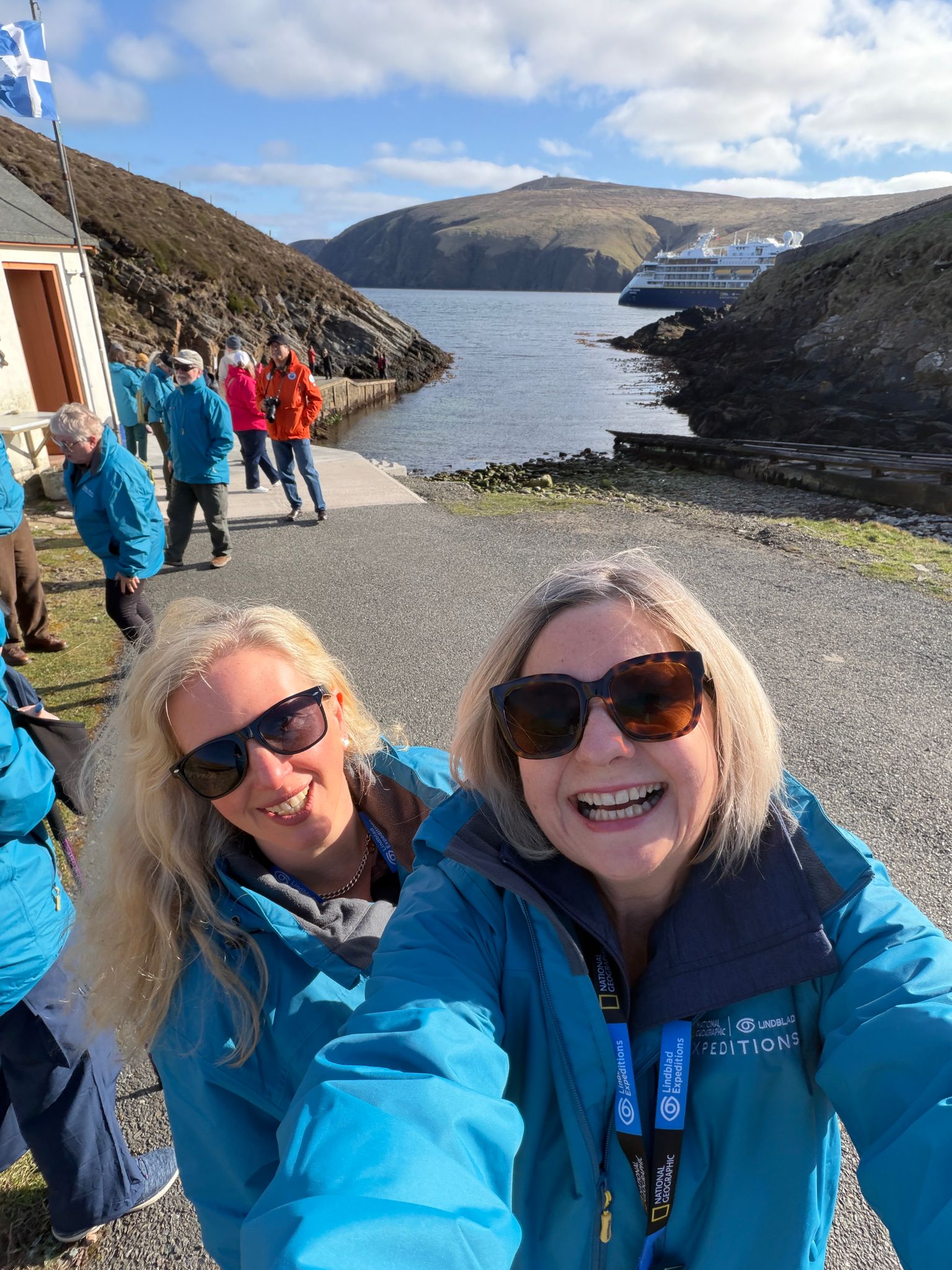
There are some journeys that stay with you long after you return home, and my recent voyage with National Geographic-Lindblad Expeditions through Scotland’s wild isles will certainly be one of them.
This was not simply a cruise. It was a wonderfully immersive expedition through some of the most dramatic, remote and fascinating parts of Scotland, combining exceptional organisation, genuine comfort, expert guiding and a real sense of discovery. For anyone who loves beautiful scenery, wildlife, history and the ease of seeing extraordinary places without sacrificing comfort, this is a journey I would wholeheartedly recommend.
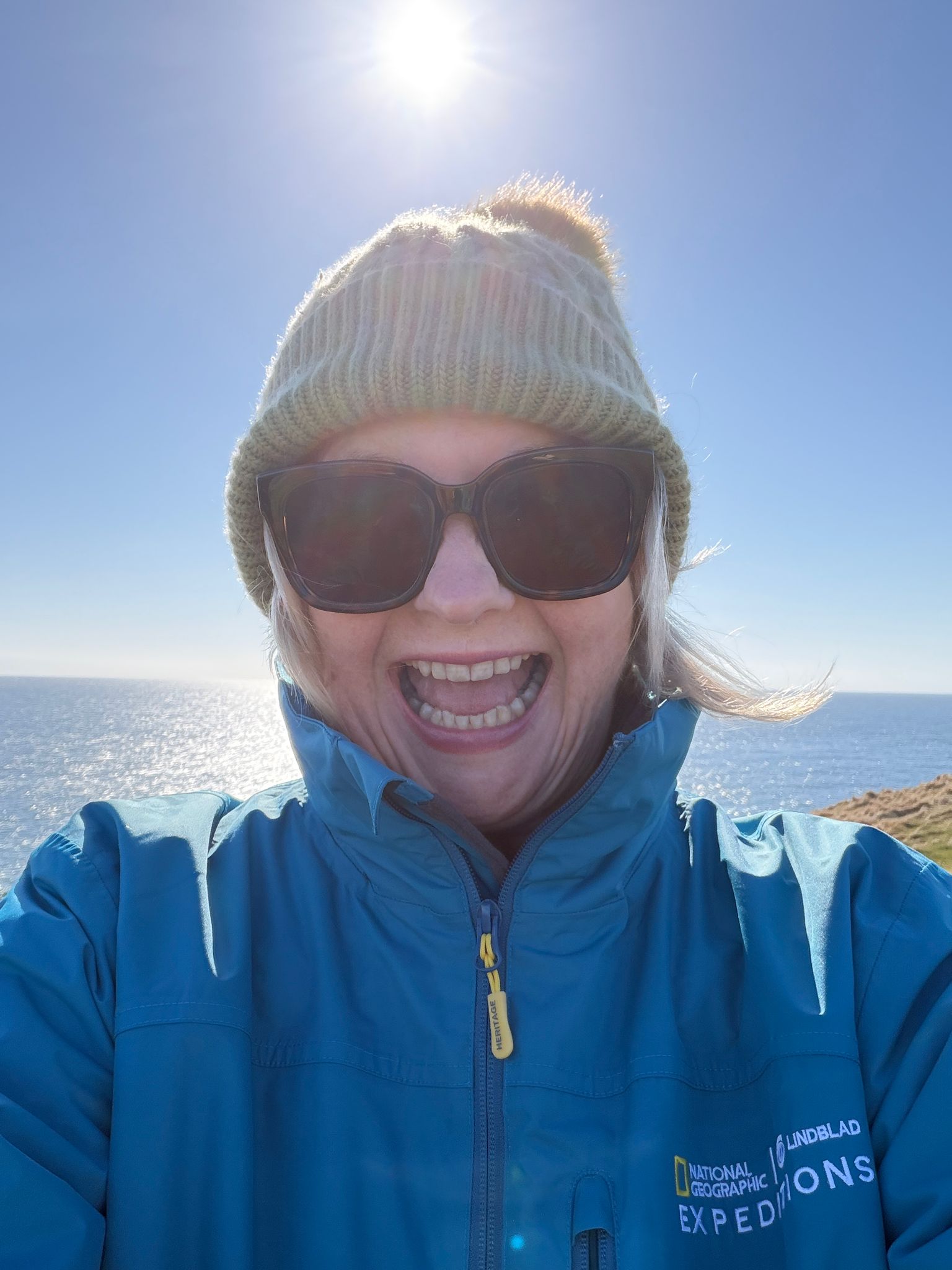
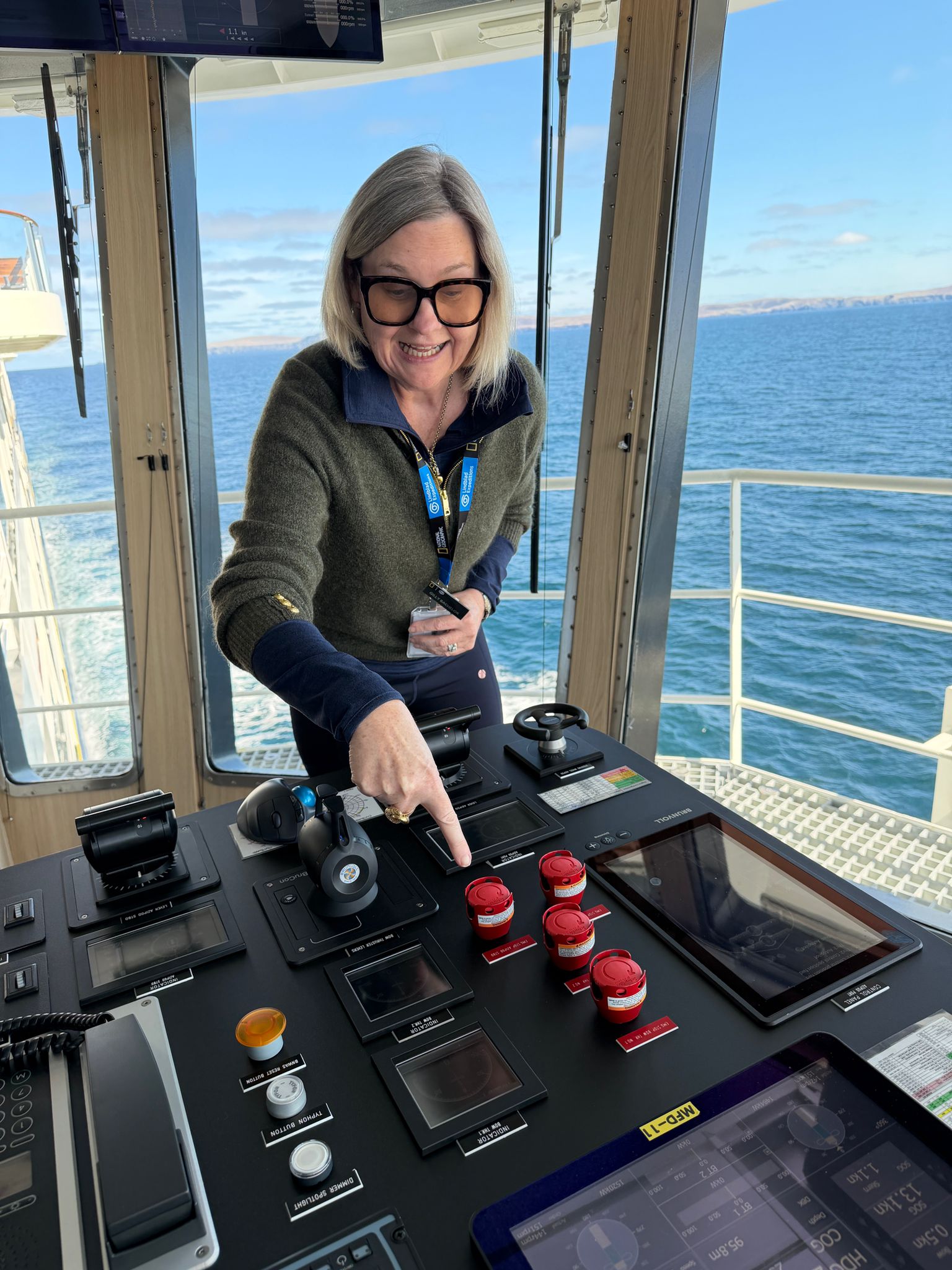
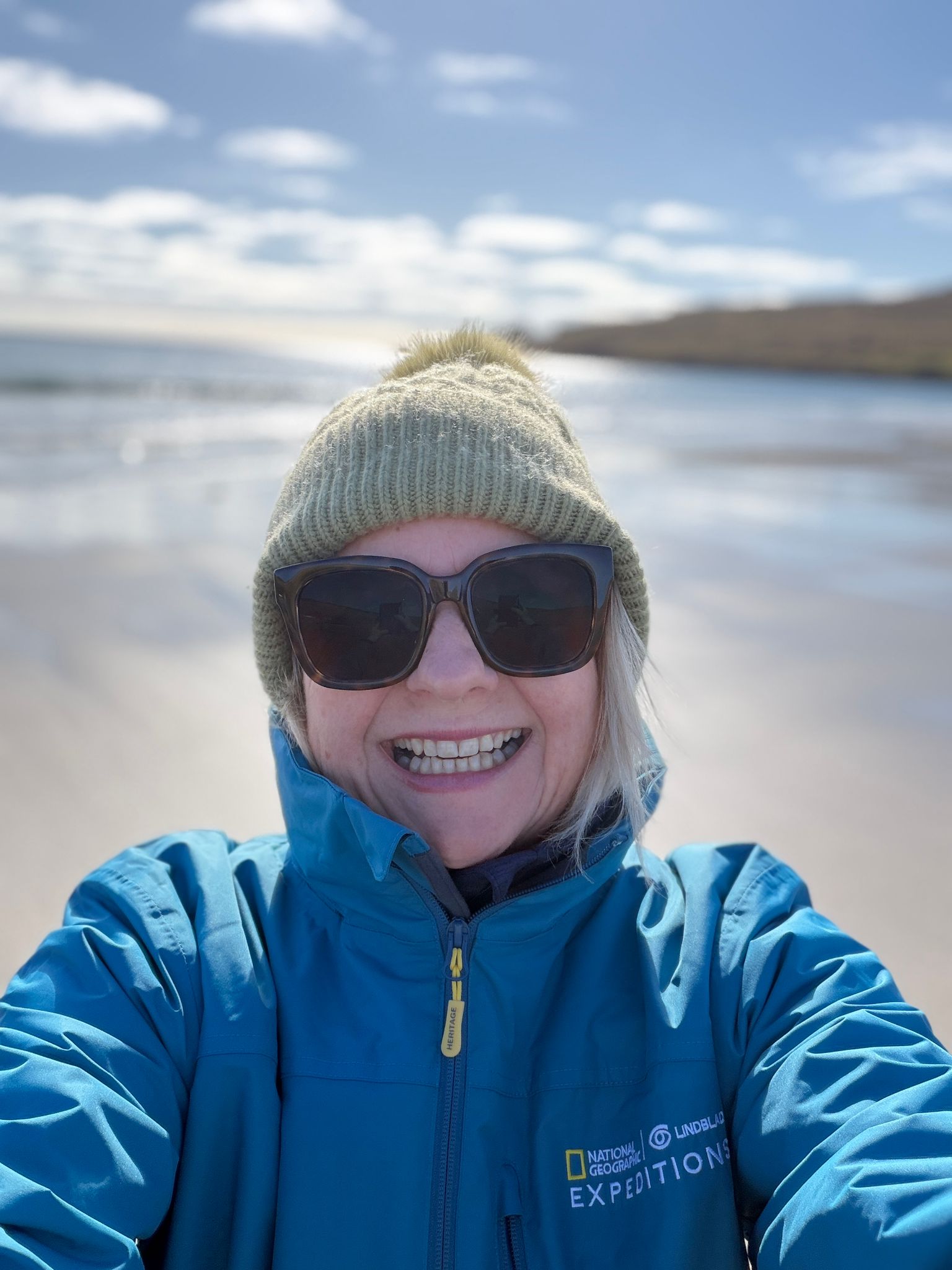
Gilly Bachelor x
A Smooth and Civilised Start
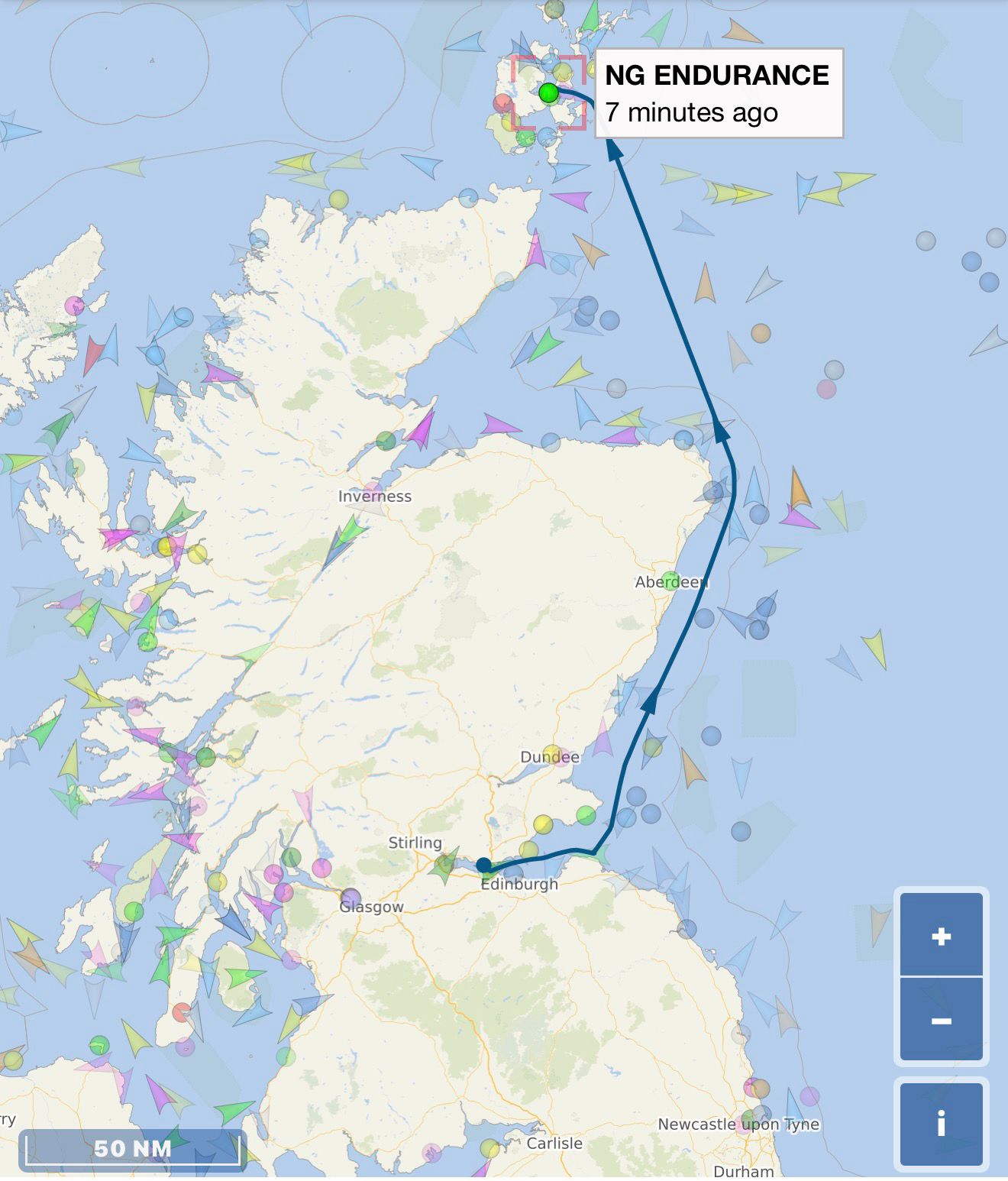
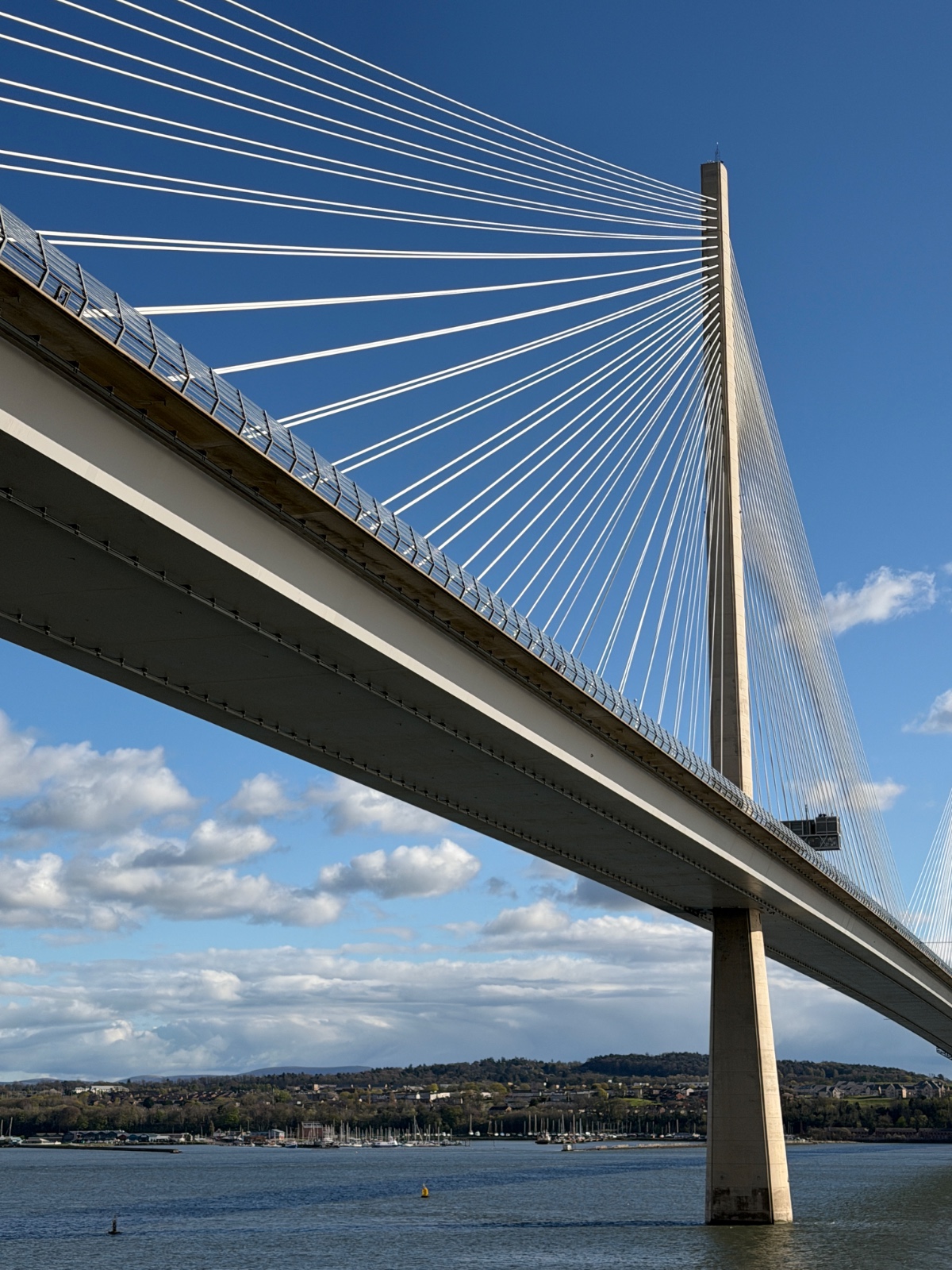
The voyage began in Edinburgh, where we gathered at the hotel and enjoyed a relaxed start before transferring to Rosyth for embarkation. It all felt very seamless and well considered, which I always appreciate. There is something reassuring about a journey that feels smooth from the outset.
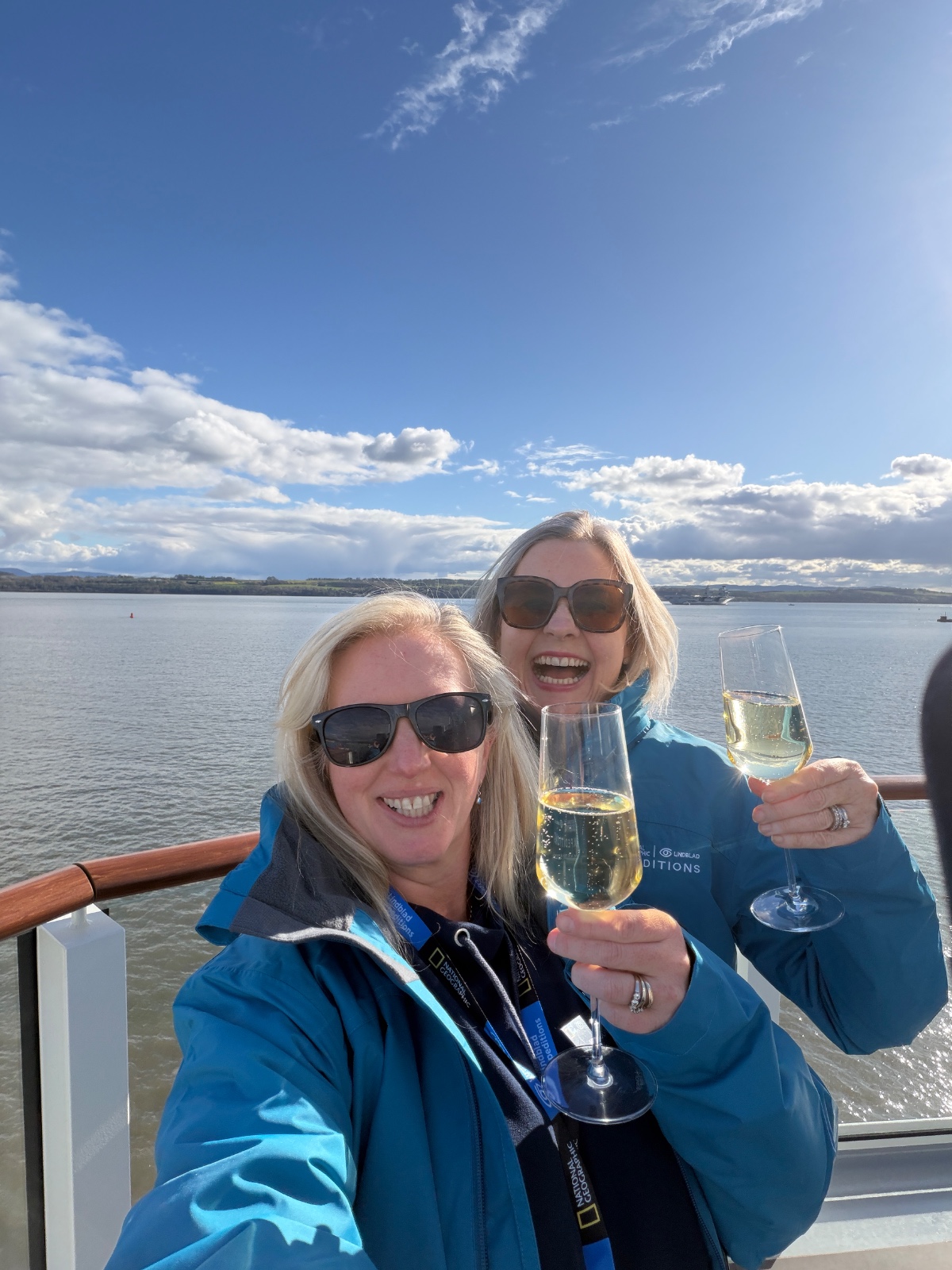
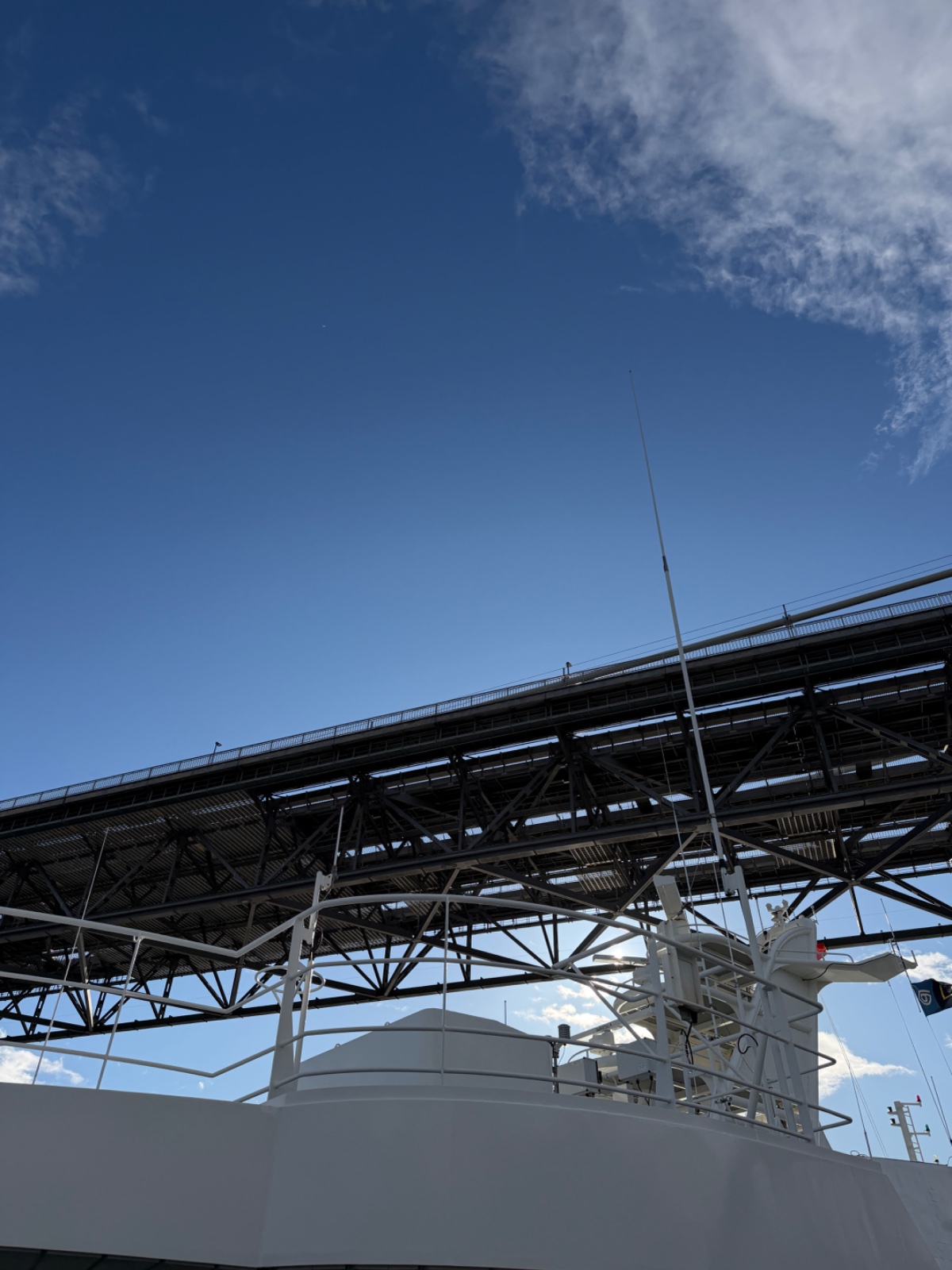
From Rosyth, we stepped on board and experienced that wonderful sailaway moment when the shoreline slips away and the adventure suddenly begins to feel very real. It set the tone beautifully for the week ahead.
Life on Board
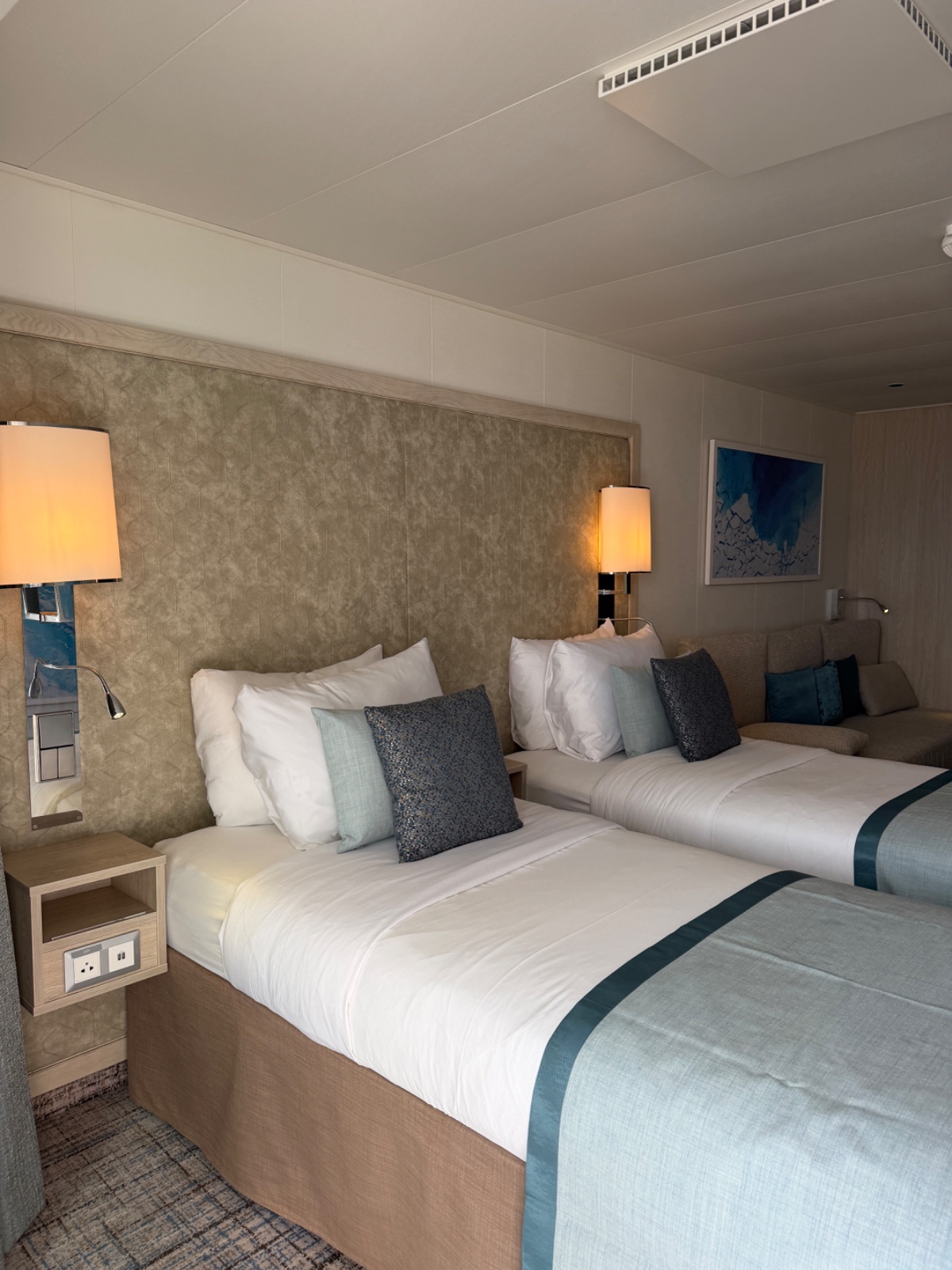
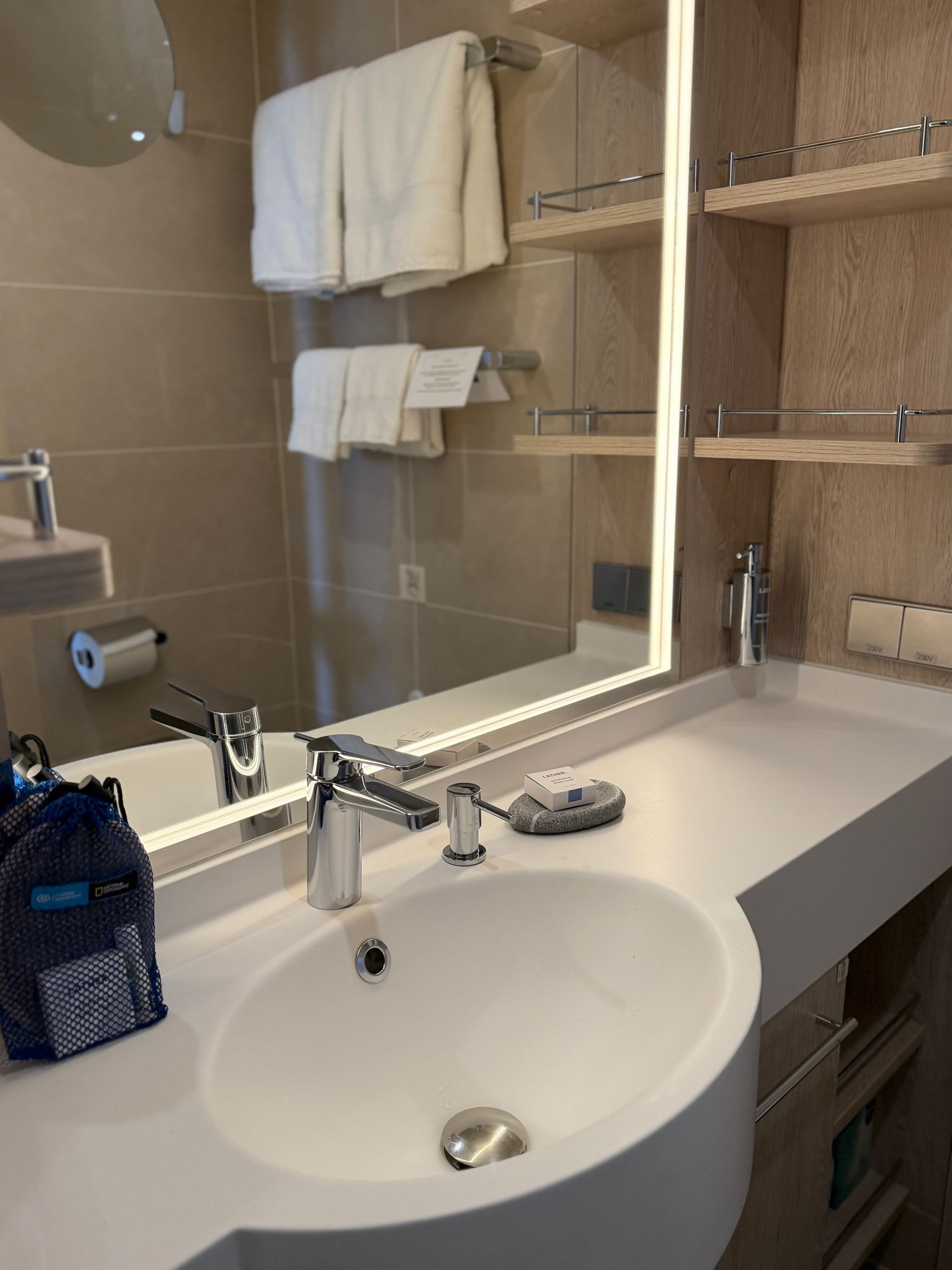
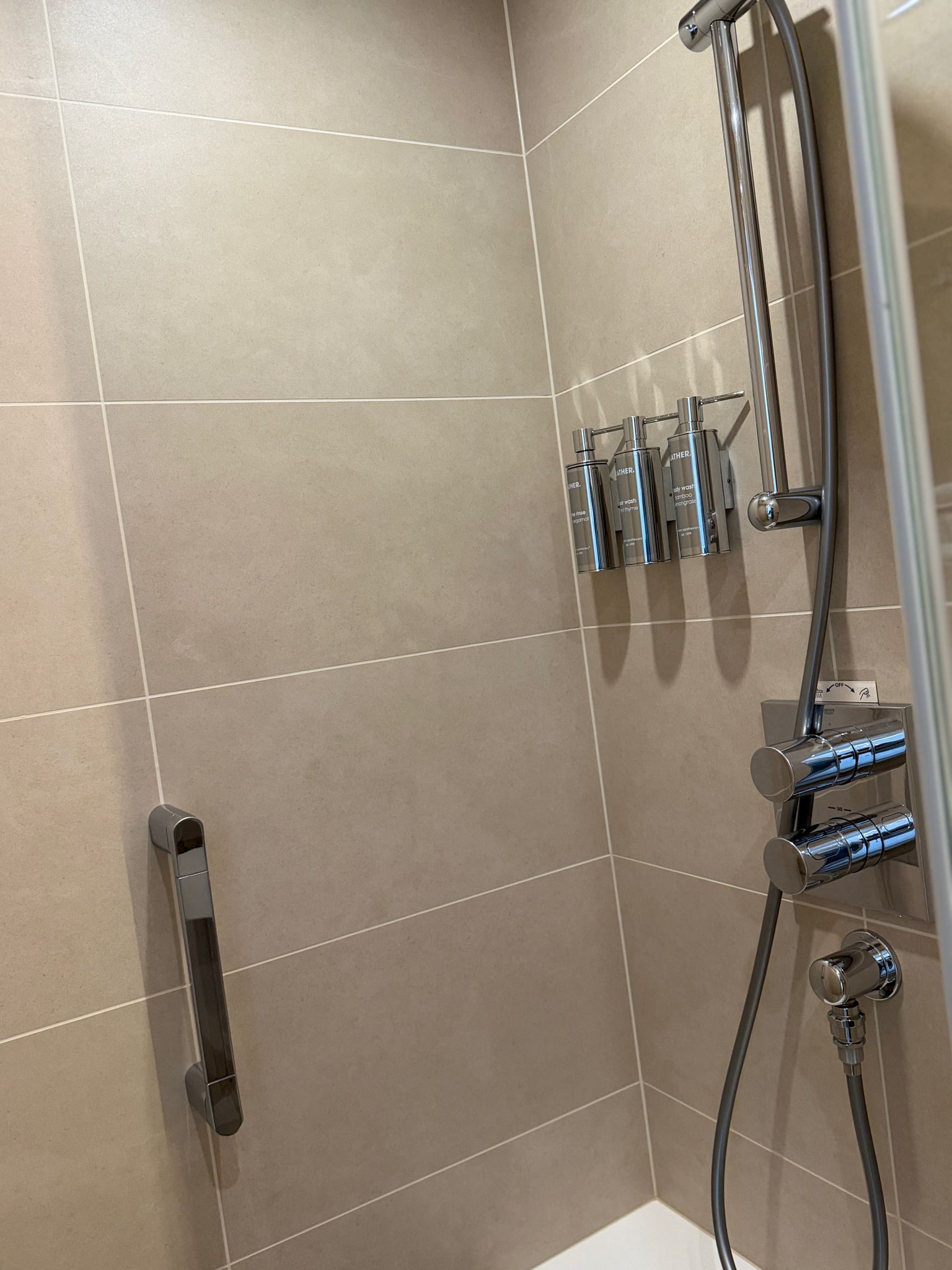
I stayed in a Category 4 cabin on the Lounge Deck, cabin 610, and I was genuinely impressed. It was spacious, beautifully appointed and extremely comfortable. There was a sitting area with a sofa, a writing desk, plenty of storage and a sleek modern bathroom with a rain shower and wonderfully fluffy bathrobes.
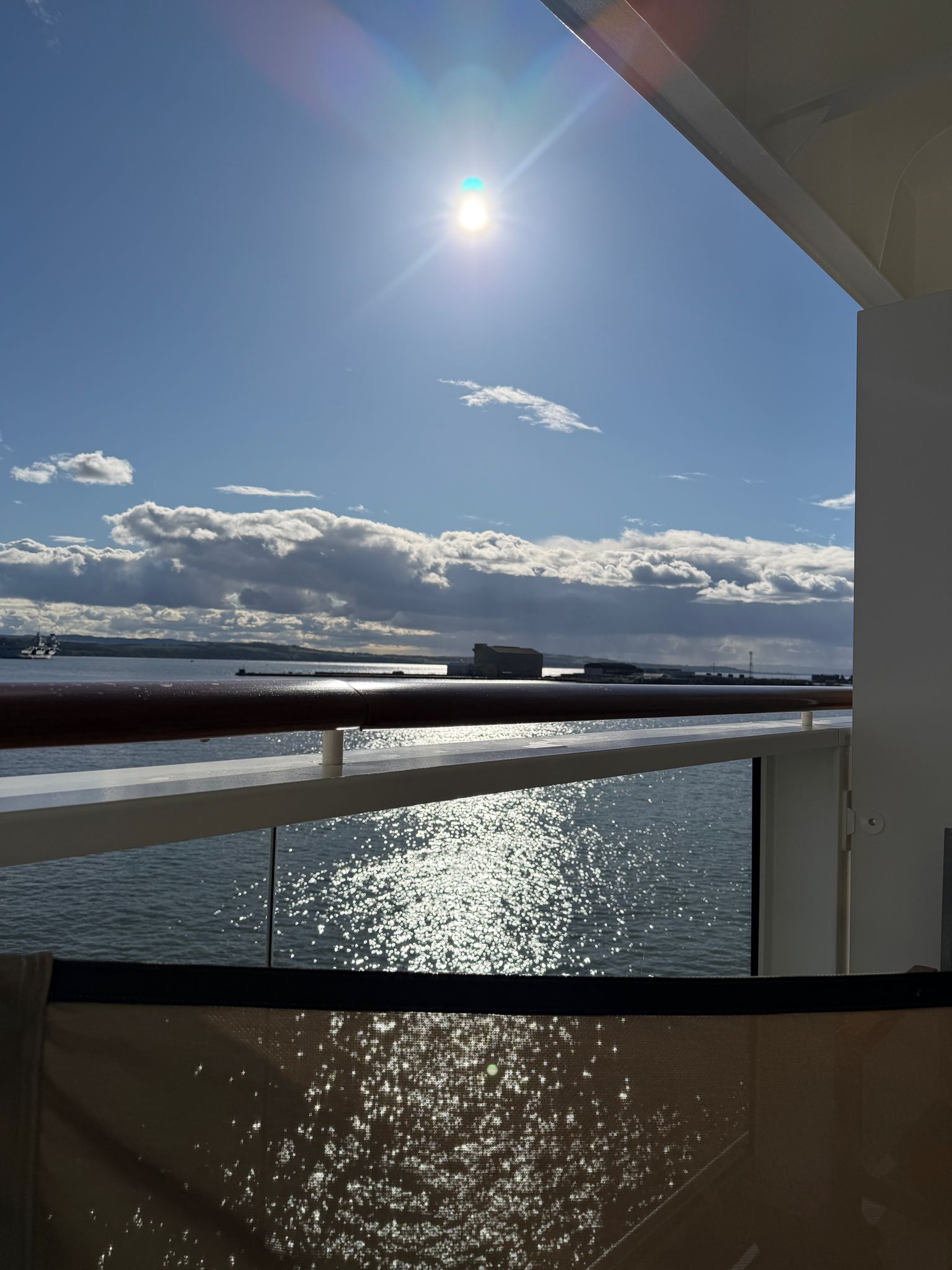
One of the real highlights was the private balcony, complete with chairs, a small table and even a hammock, which quickly became one of my favourite places to sit quietly and watch the scenery drift by.
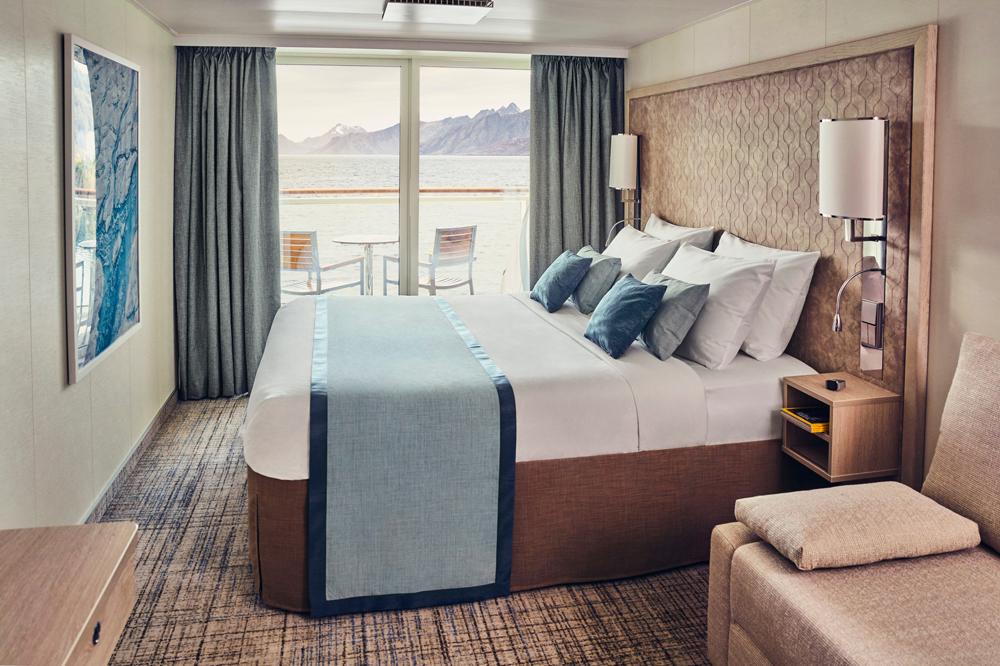
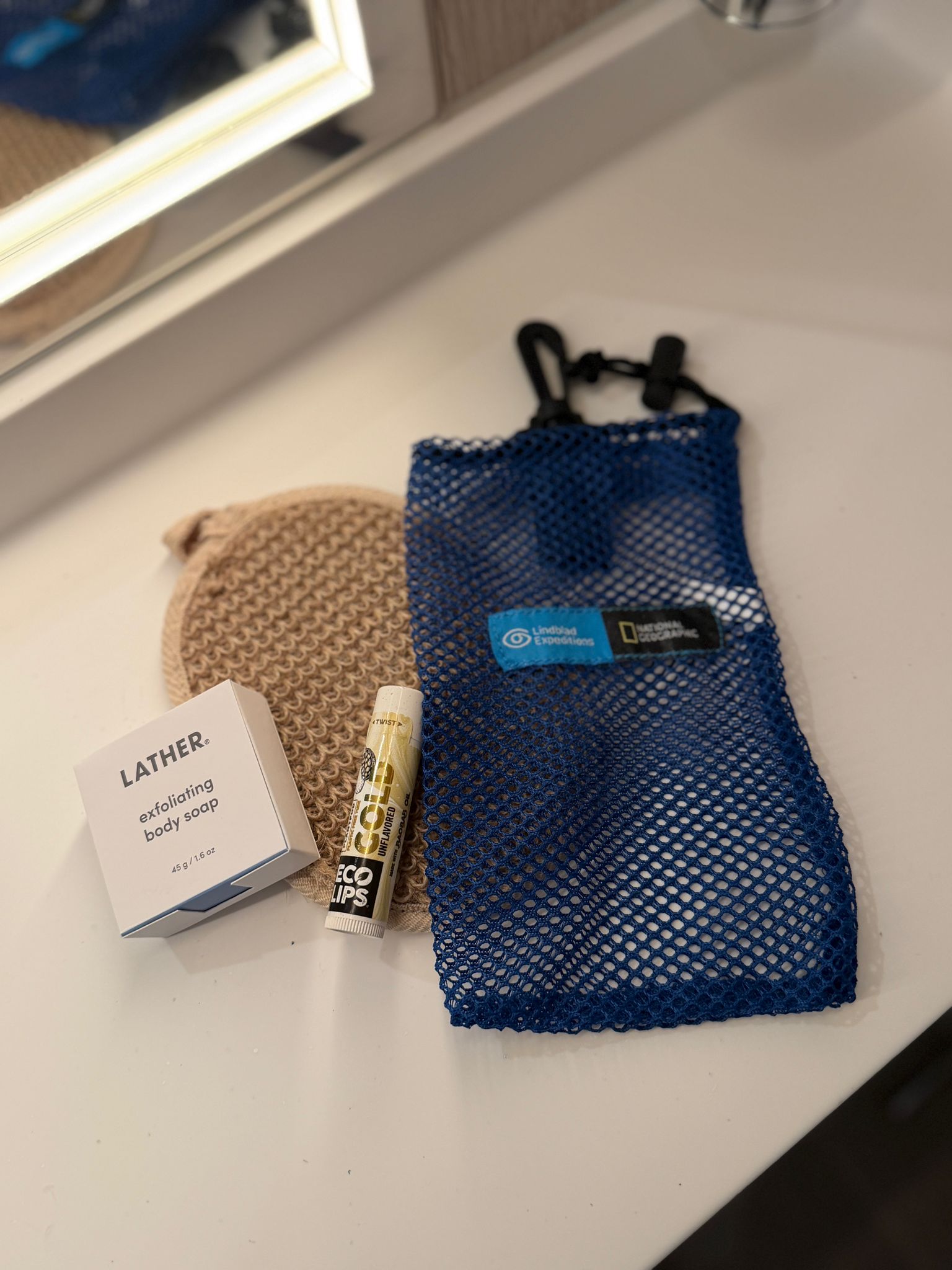
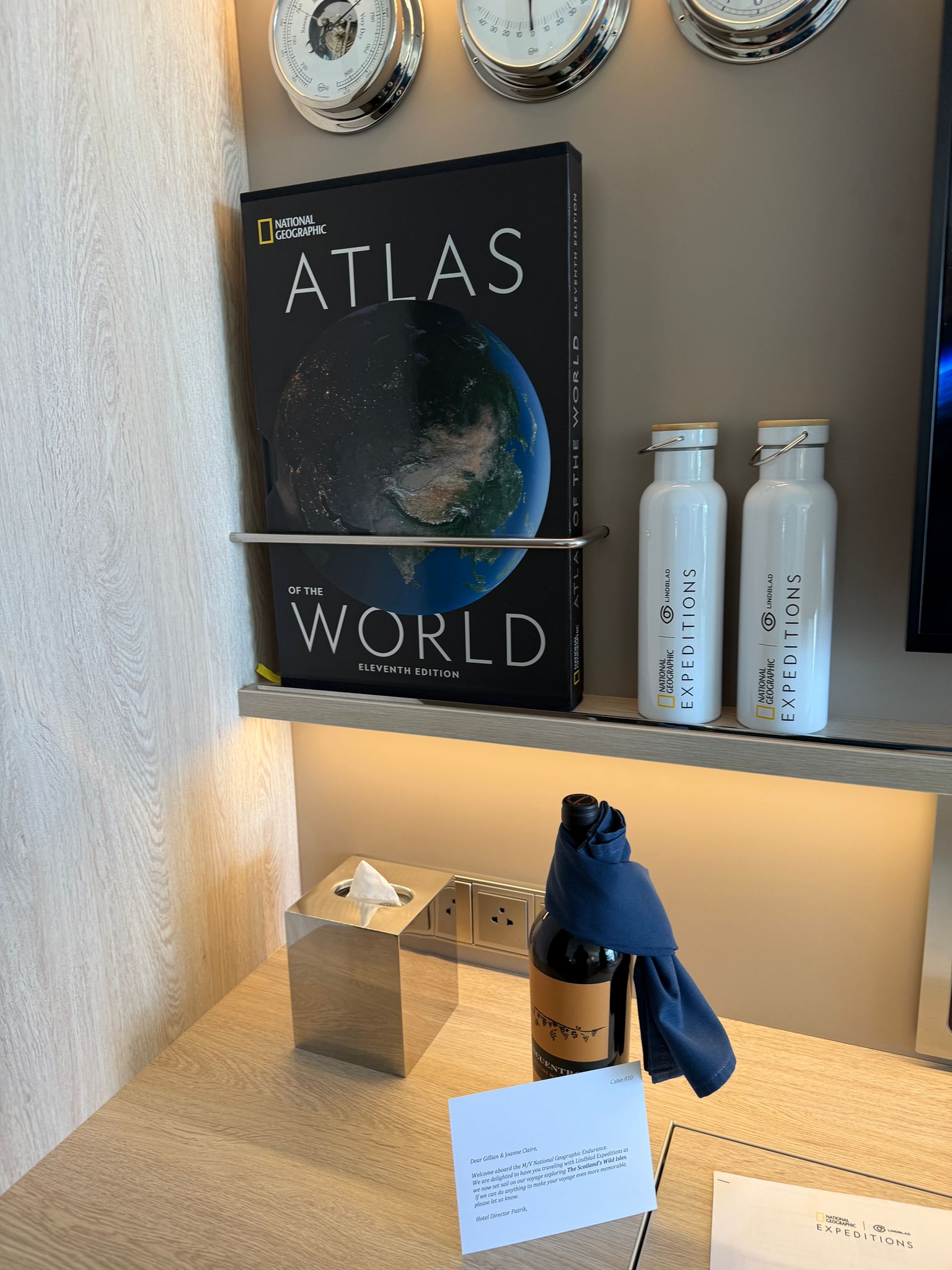
There were also some lovely touches that made the cabin feel especially considered, from the National Geographic atlas and wall-mounted digital tablet to the insulated water bottle, the cosy National Geographic jacket and the ship’s wider emphasis on avoiding single-use plastics.
For solo travellers, there is also a very appealing Category B Solo option on the Lounge Deck, which I think is worth highlighting. It offers a balcony and sofa and provides a very comfortable arrangement for anyone travelling independently.
The ship as a whole struck exactly the right balance for me. It was comfortable and elegant, but never overly formal. Everything felt geared towards making the most of the destinations.
Day 1: Orkney, History and Dramatic Landscapes
The first full day ashore gave a wonderful sense of the variety this expedition offers.
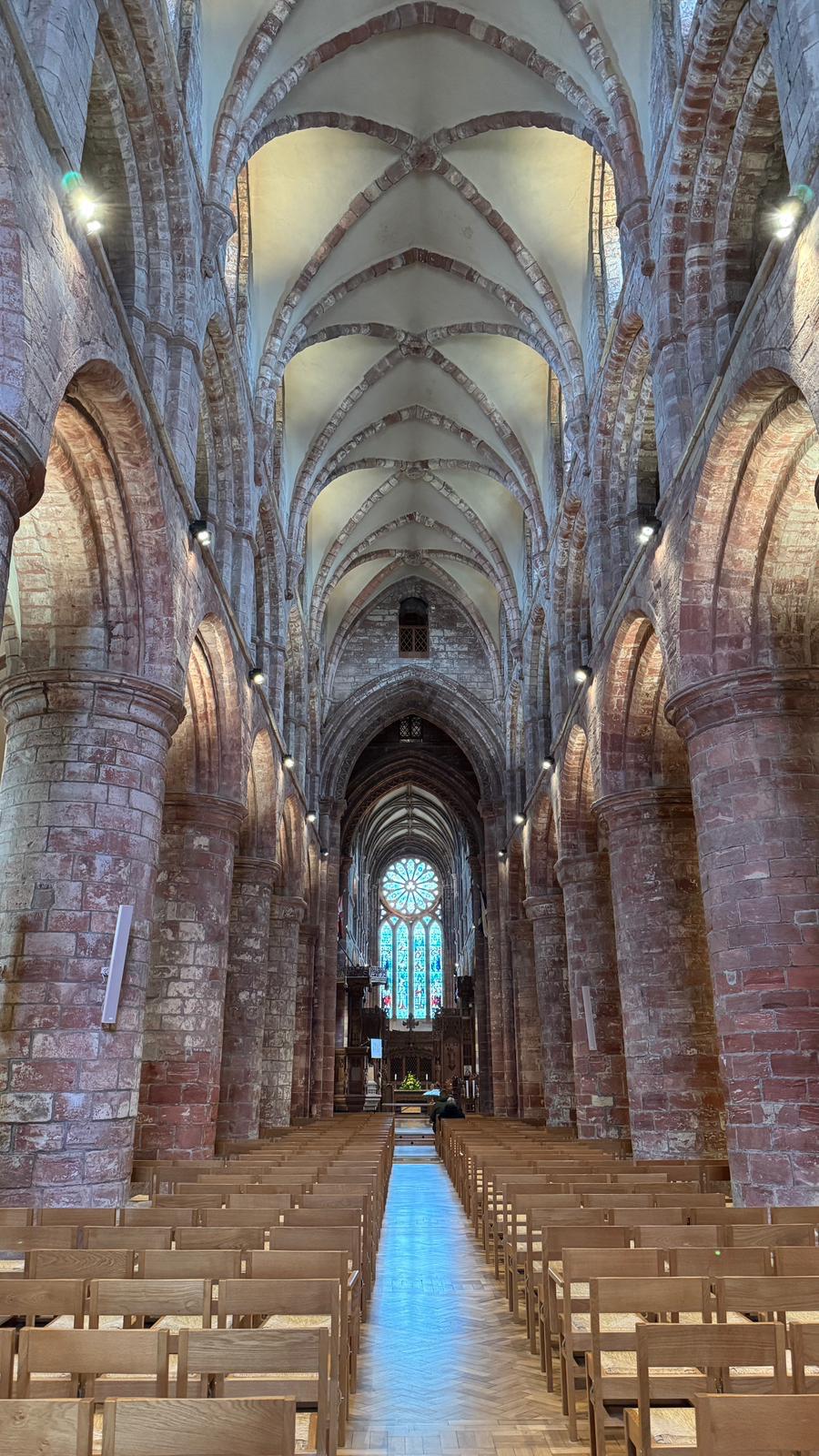
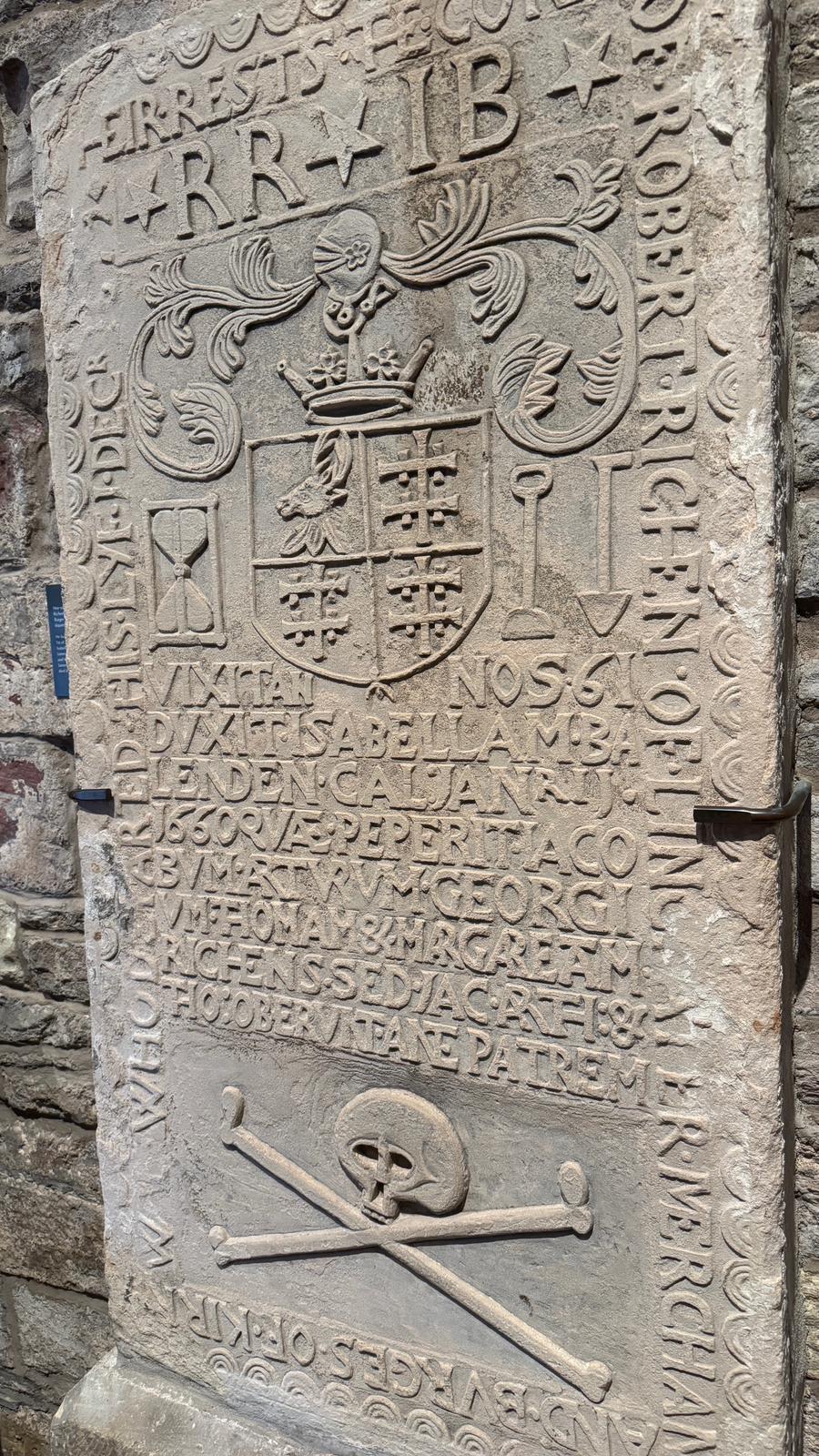
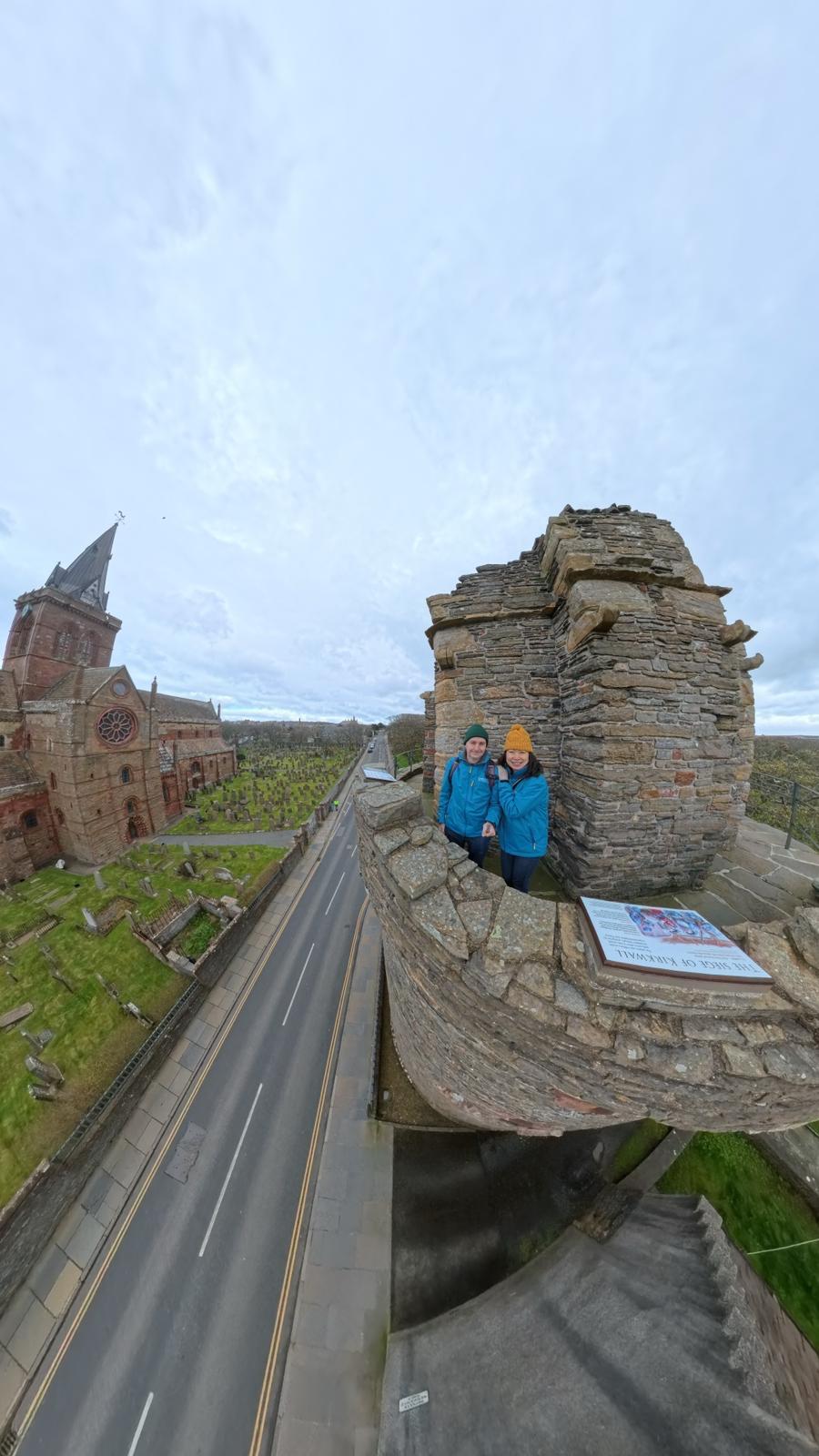
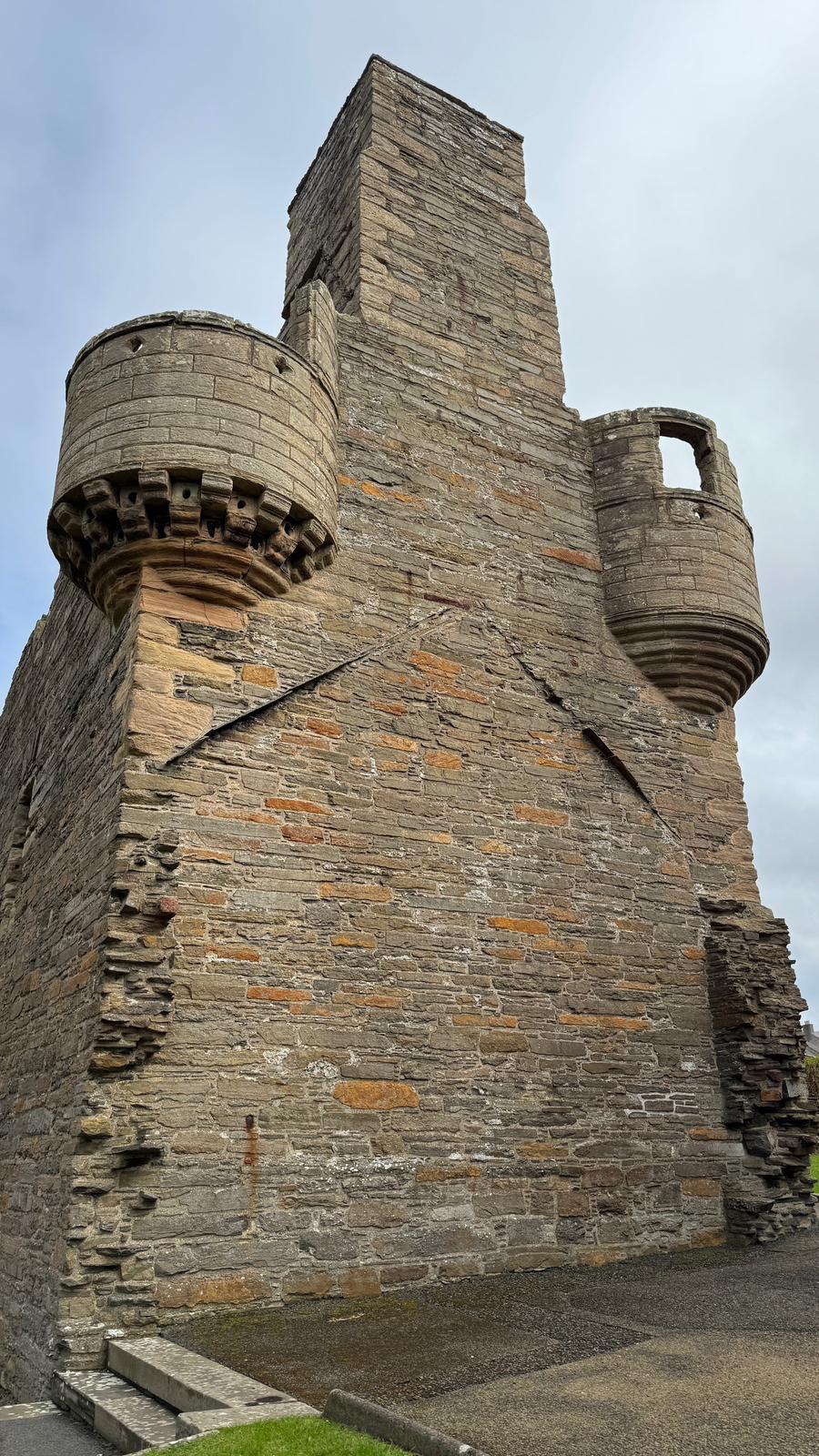
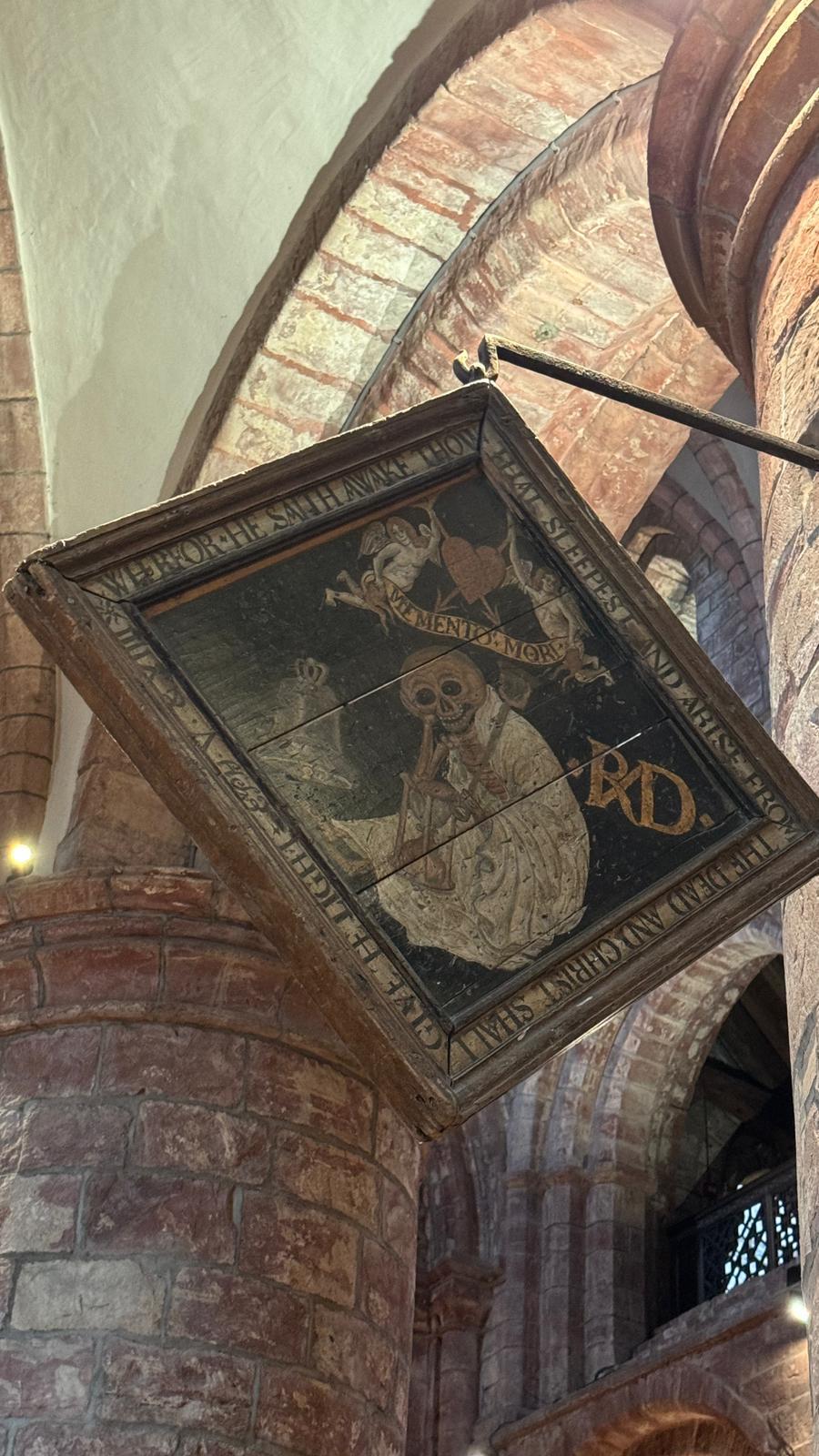
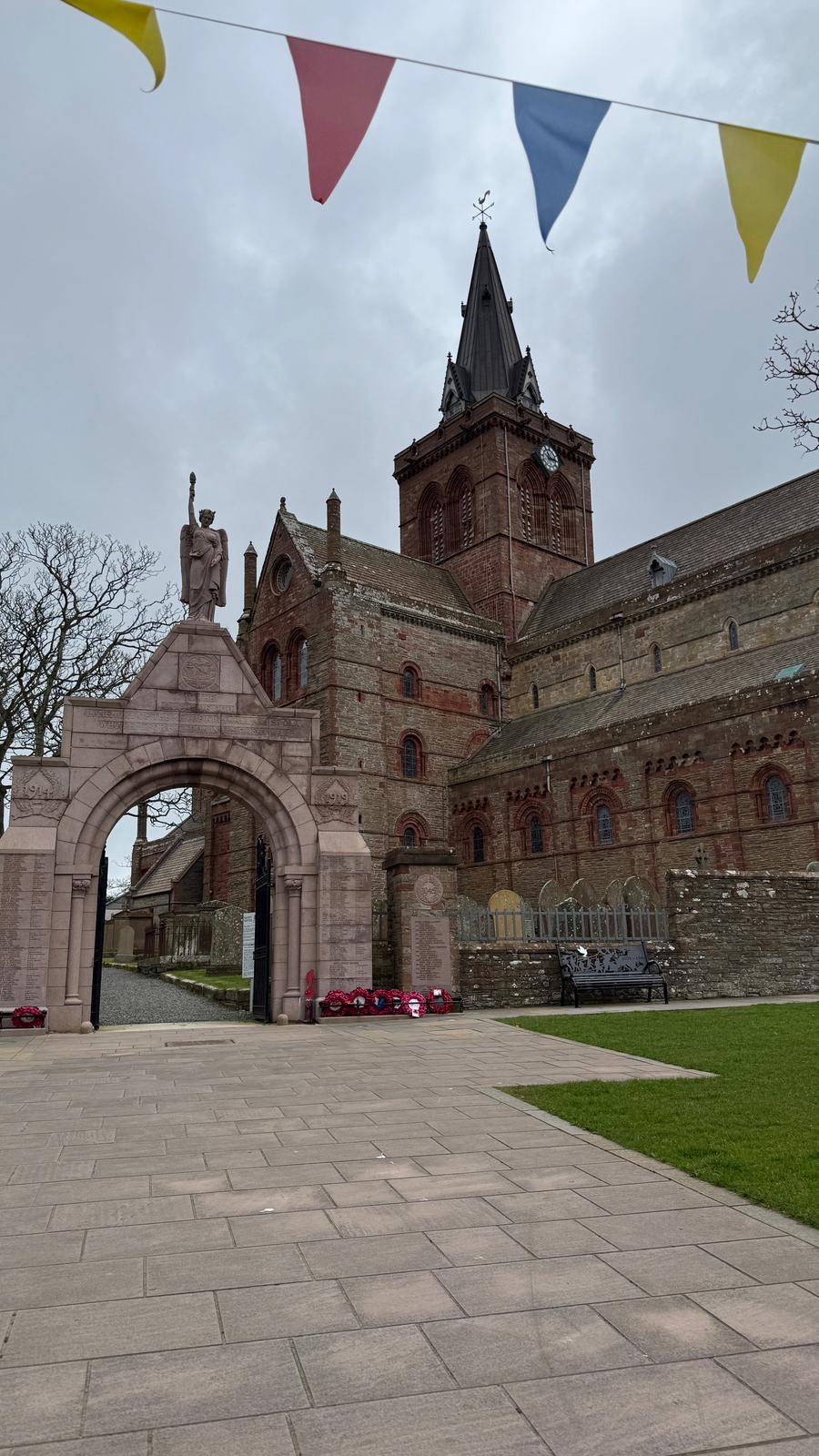
In Orkney, I experienced two very different excursions. The first was a guided walk through Kirkwall, a town shaped by Viking heritage and strong Norwegian influence. We visited St Magnus Cathedral, one of Scotland’s best-preserved cathedrals, as well as the Earl’s Palace and Bishop’s Palace. It was a fascinating introduction to Orkney’s history and character.
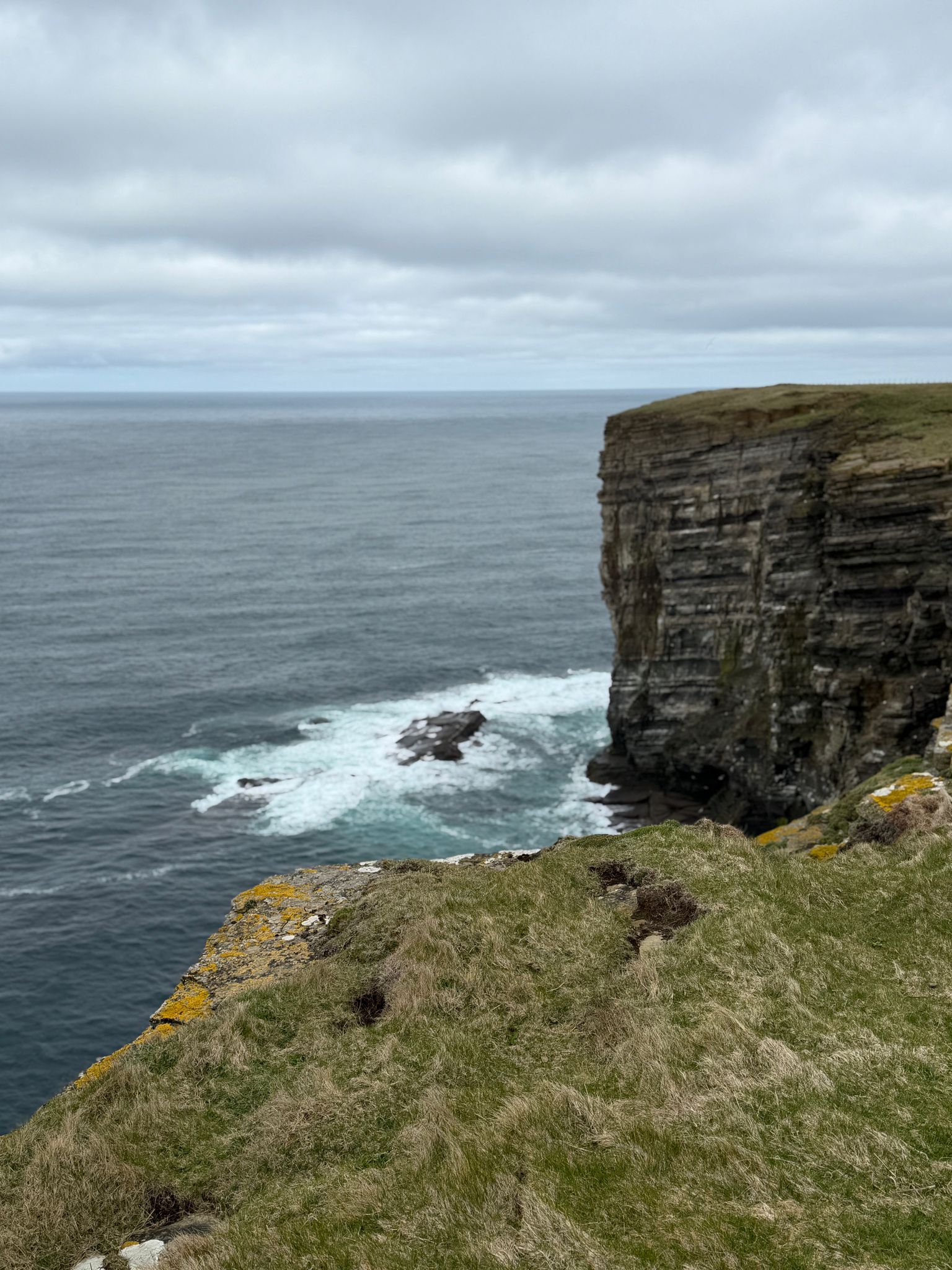
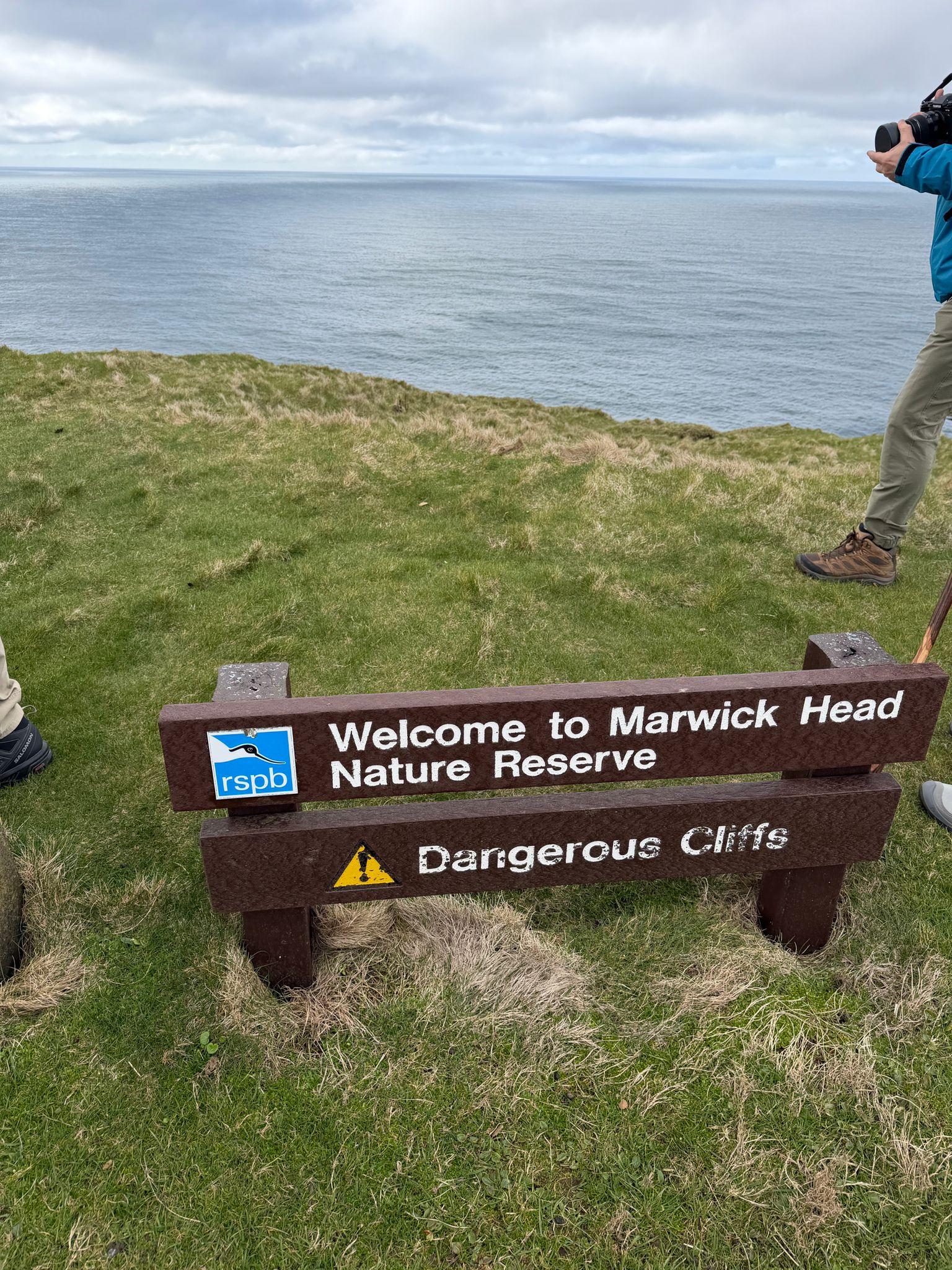
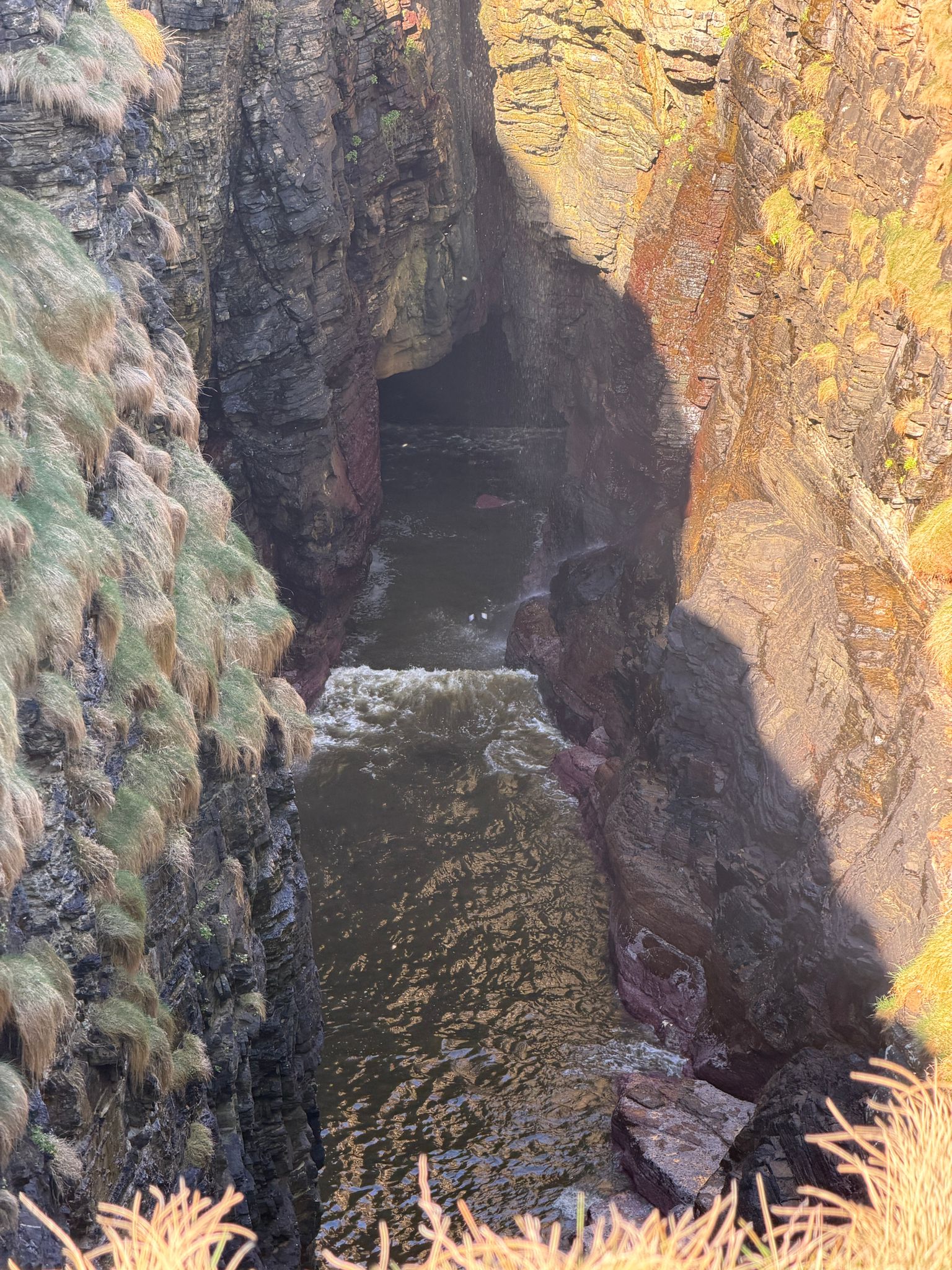
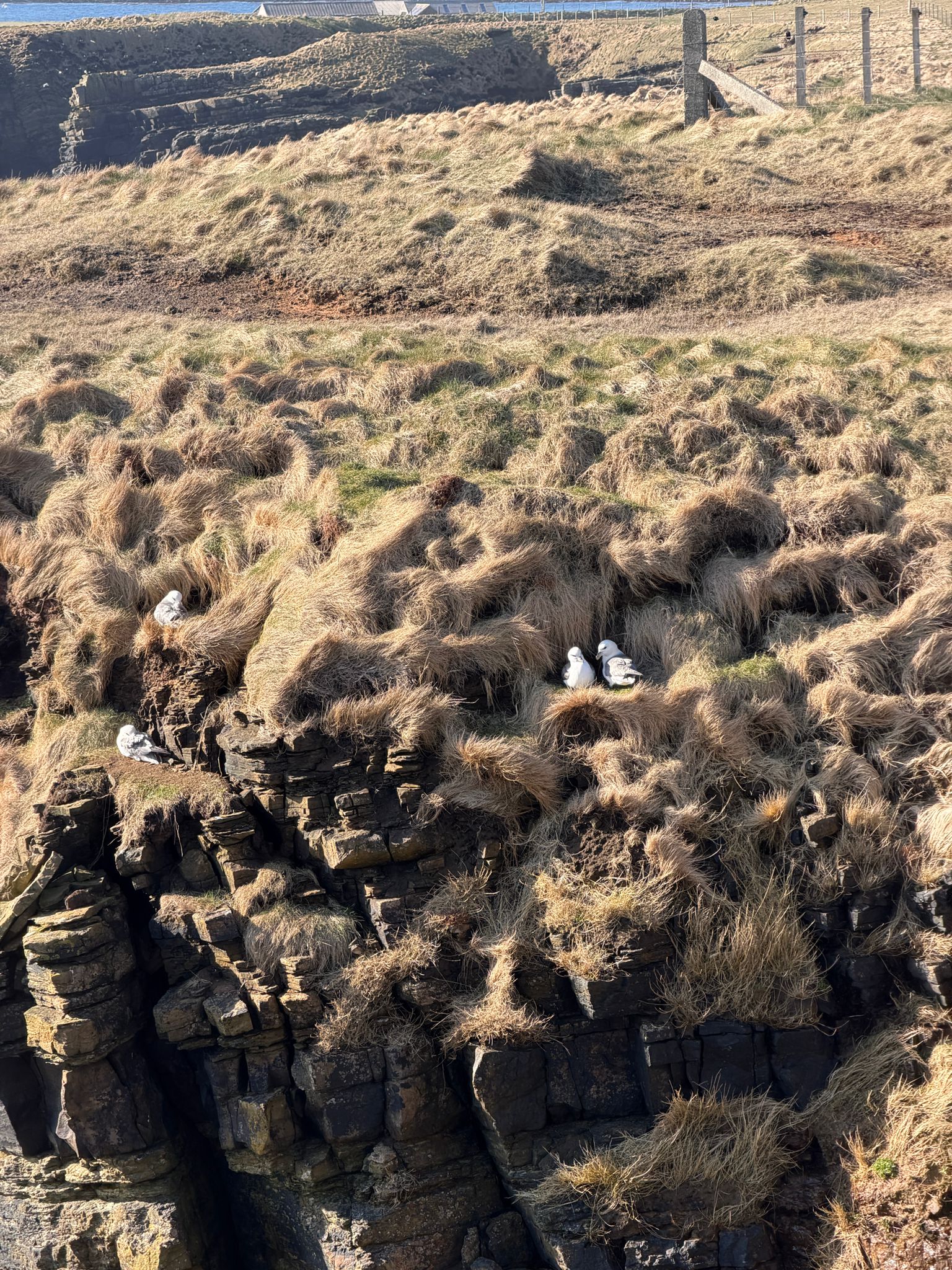
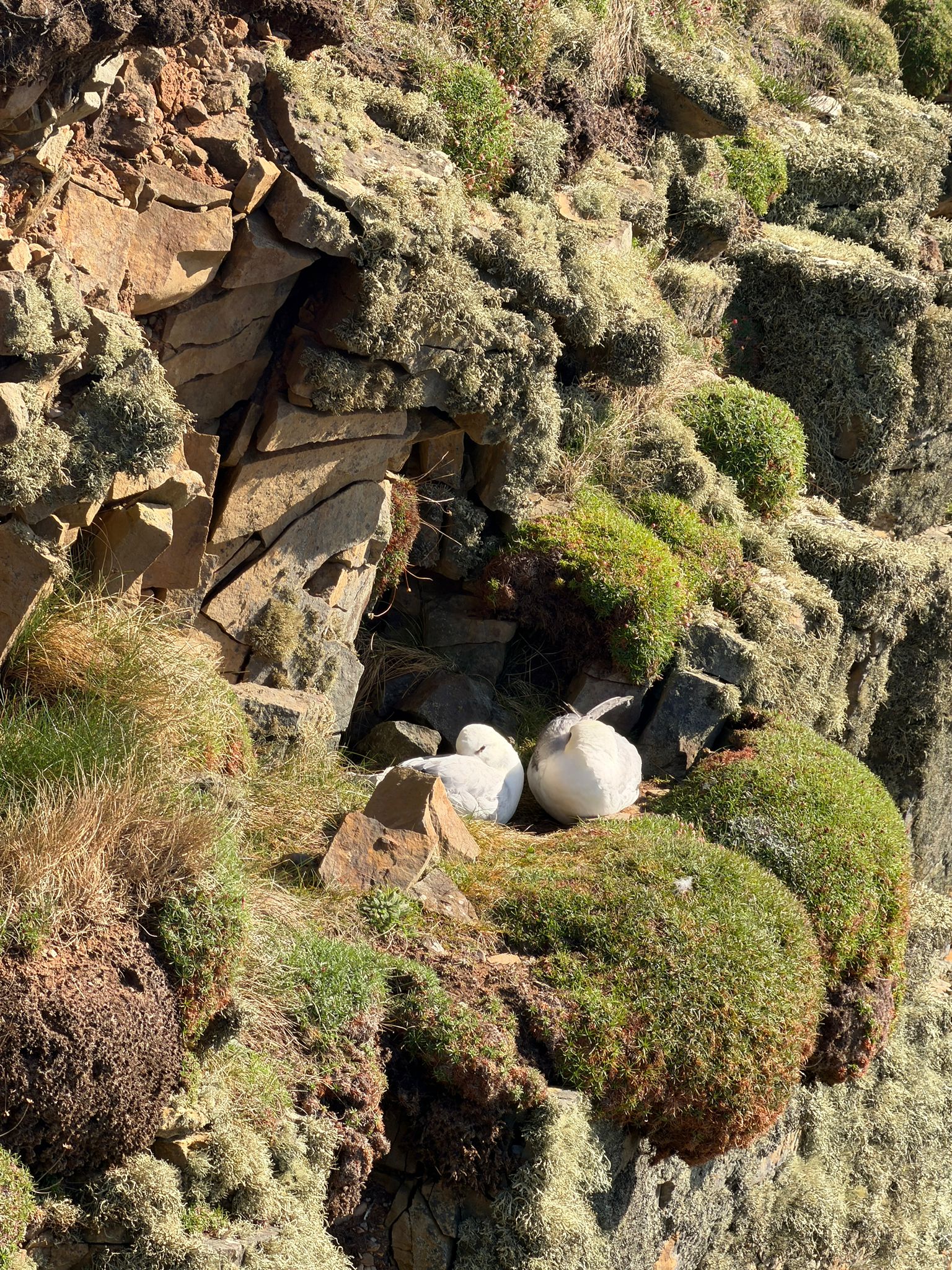
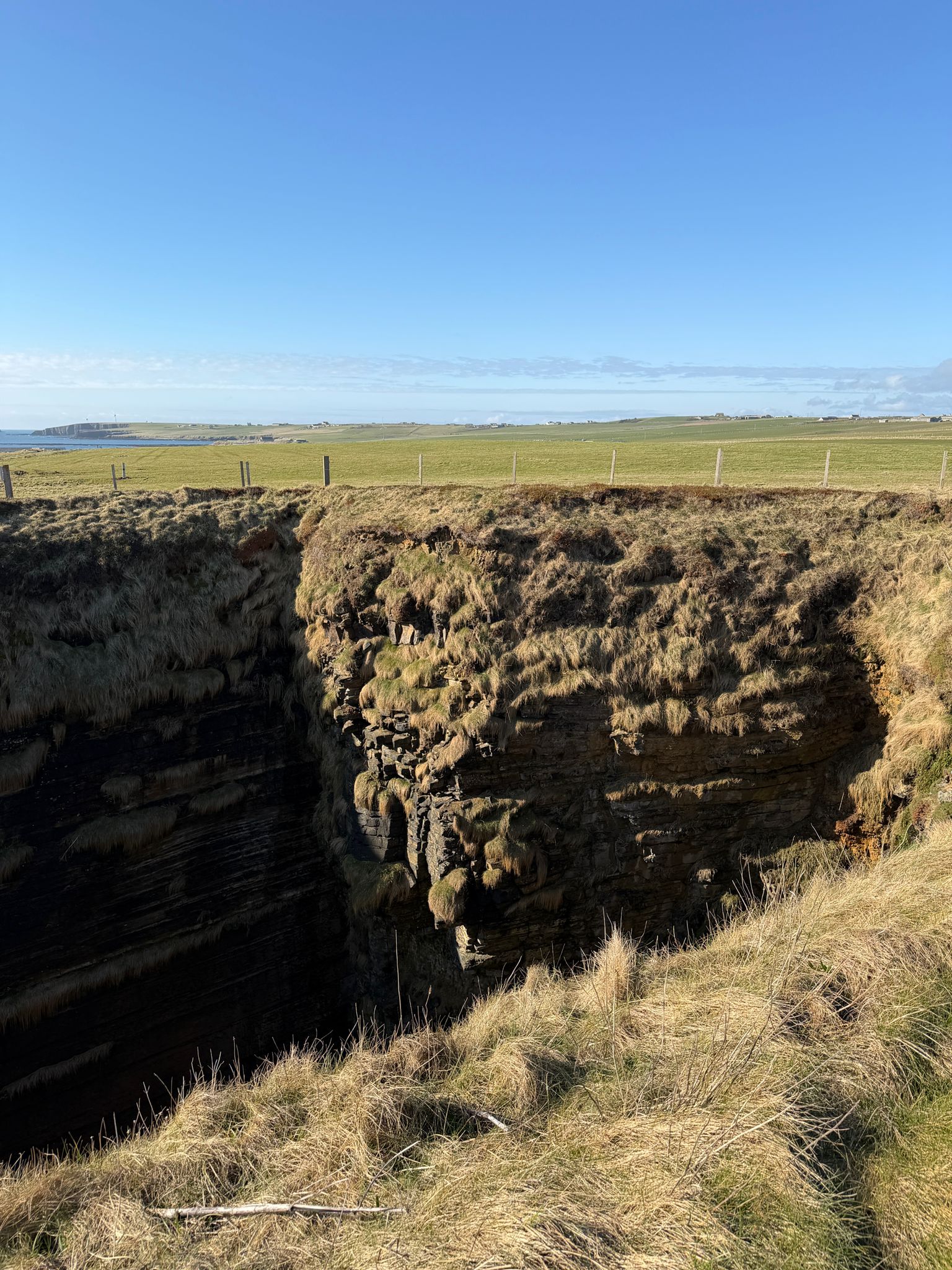
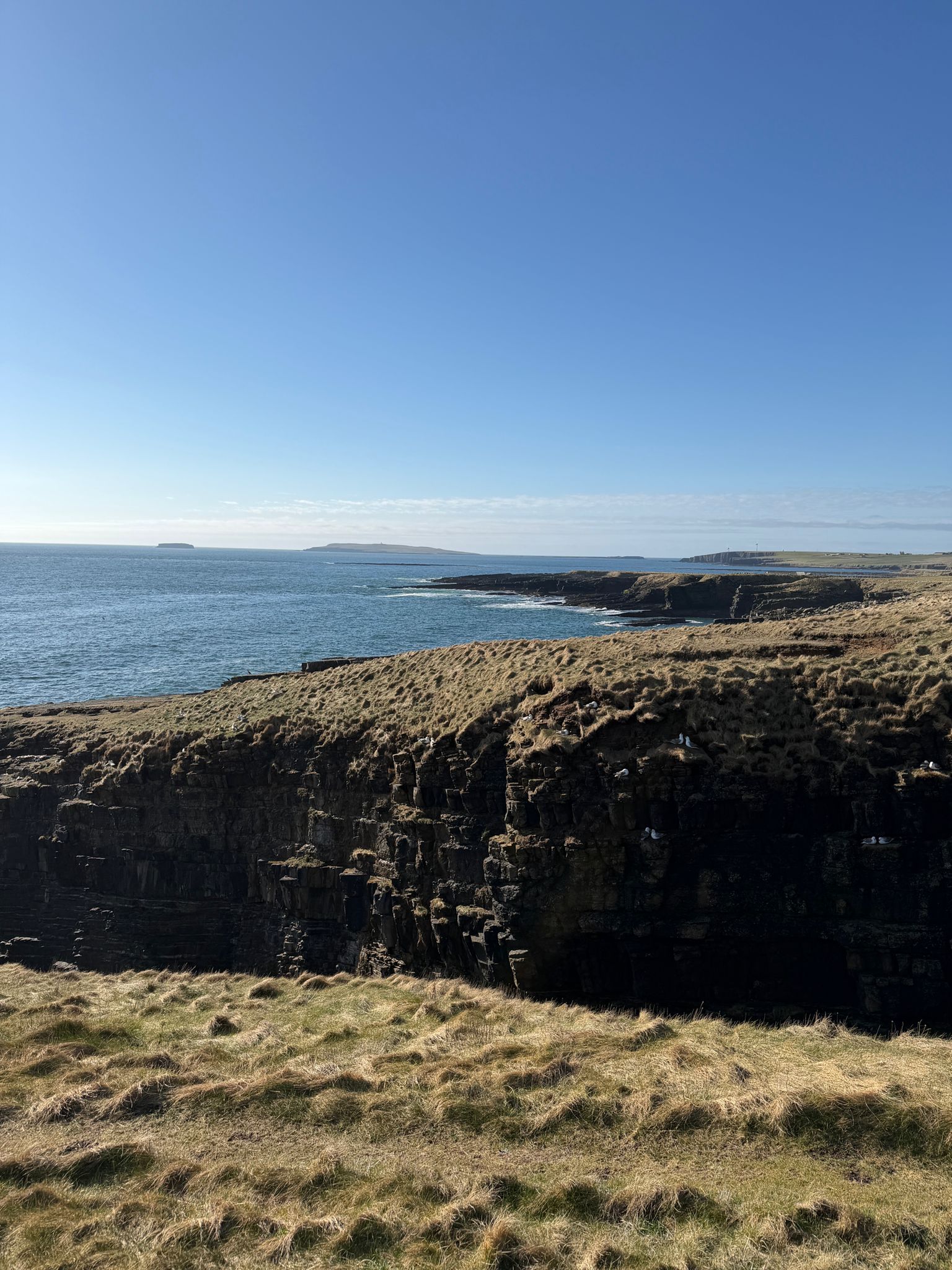
The second was the Marwick Head hike, which offered an entirely different side of the islands. Here the focus shifted from town and heritage to cliffs, birdlife and the raw beauty of the coastline. With its seabird colonies and striking views, it was a wonderful reminder of how wild and varied these islands are.
That contrast really set the tone for the whole voyage. One moment you are immersed in centuries of history, and the next you are out in the sea air, surrounded by cliffs, birds and open skies.
Day 2: Mull Head and my First Zodiac Landing
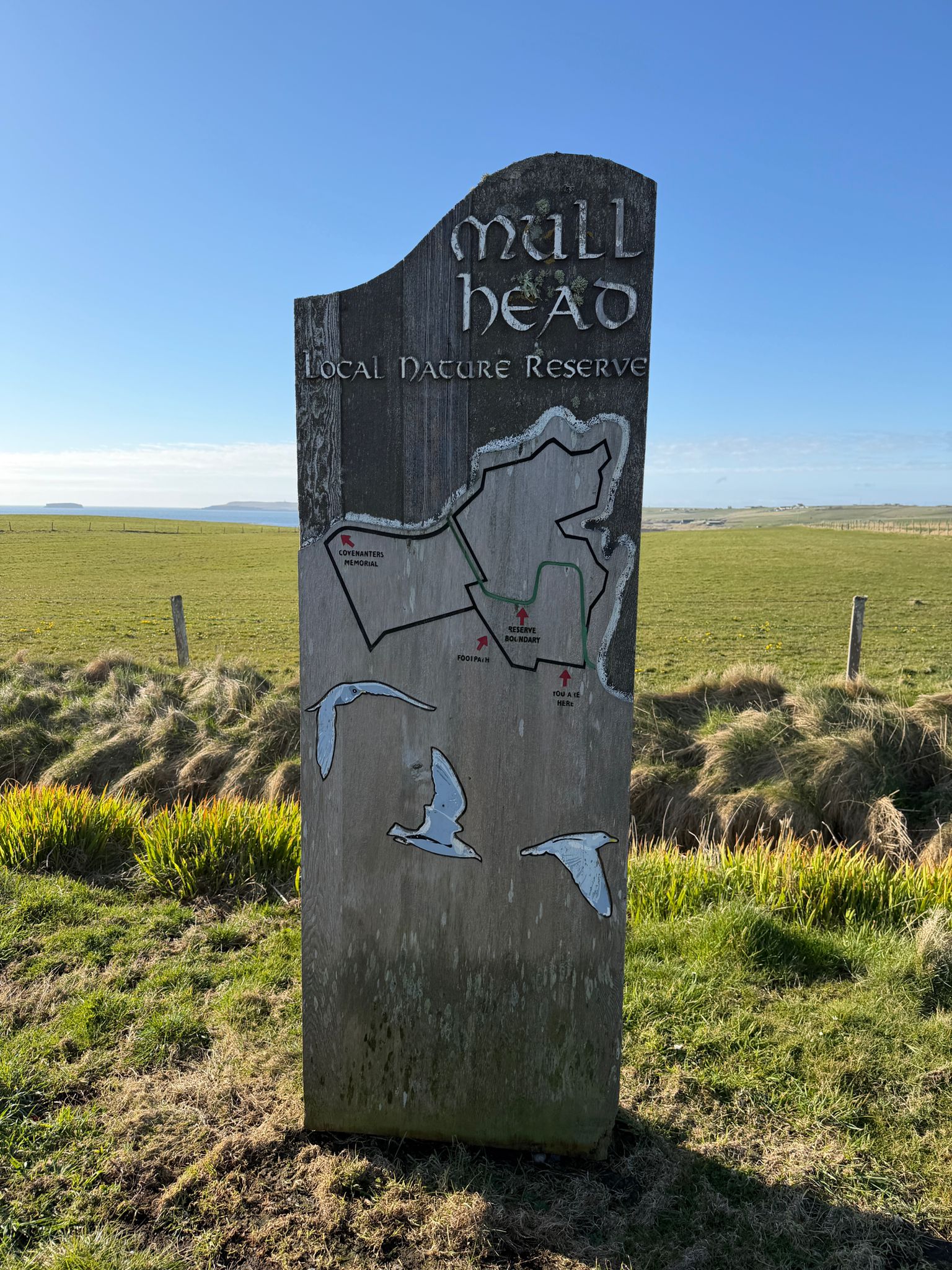
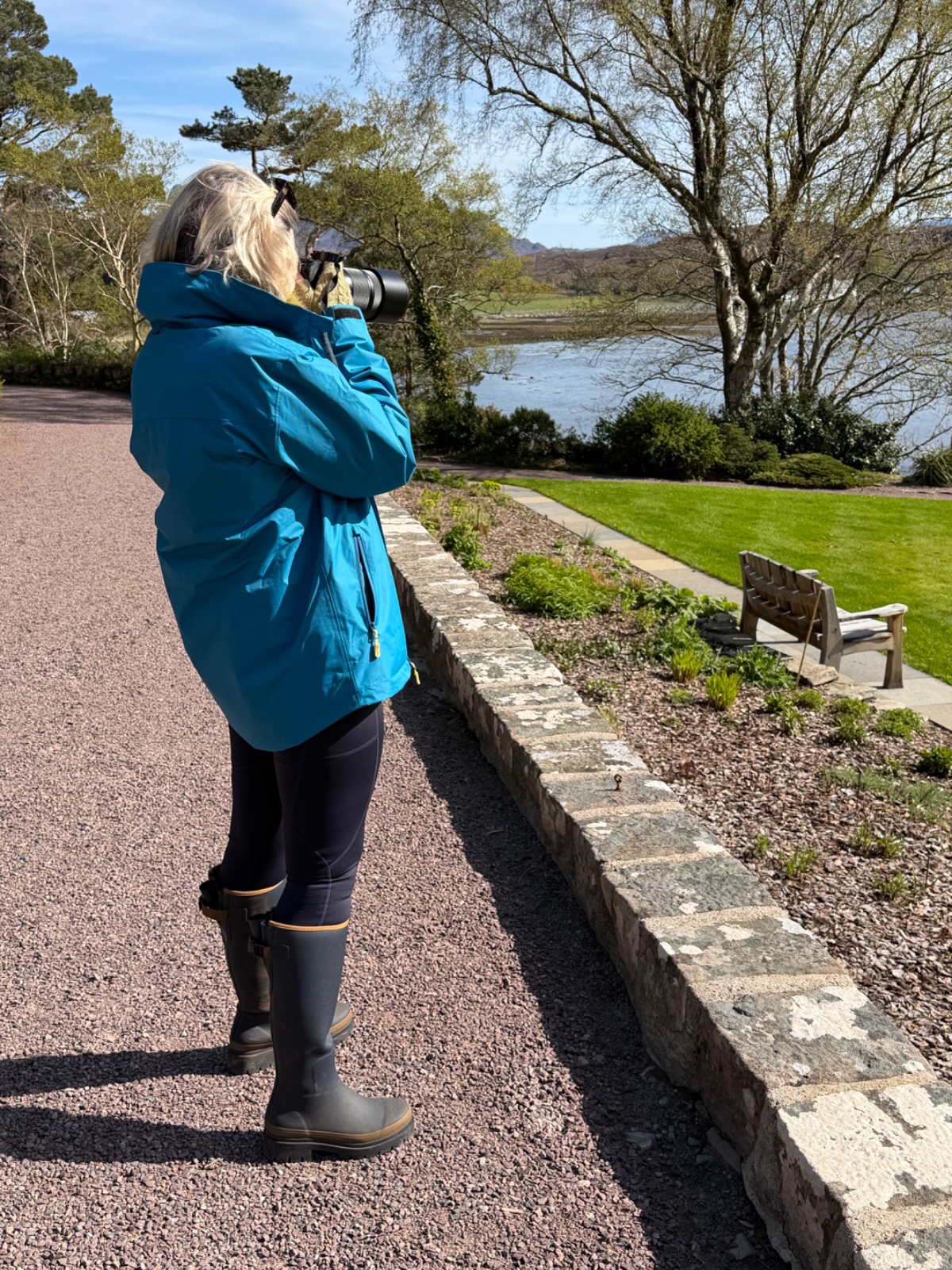
The second day began beautifully, with an early sauna and jacuzzi followed by breakfast on board before heading ashore for the Mull Head hike in lovely weather.
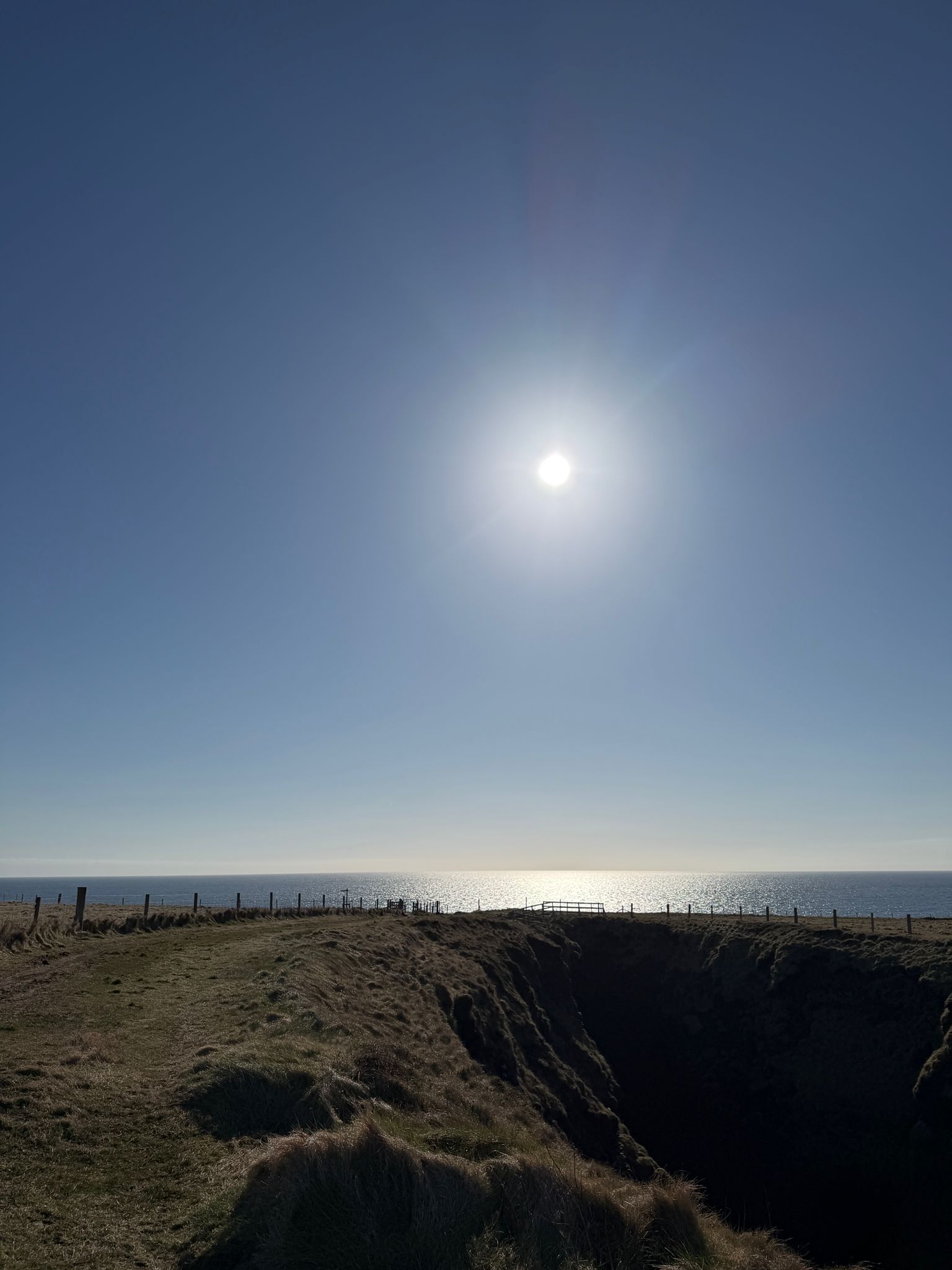
Mull Head, at the furthest point of Deerness, is one of Mainland Orkney’s most spectacular coastal walks, with sweeping clifftop views, birdlife and that wonderful sense of space and stillness that makes this kind of travel so restorative. It was a glorious morning and a very special way to begin the day.
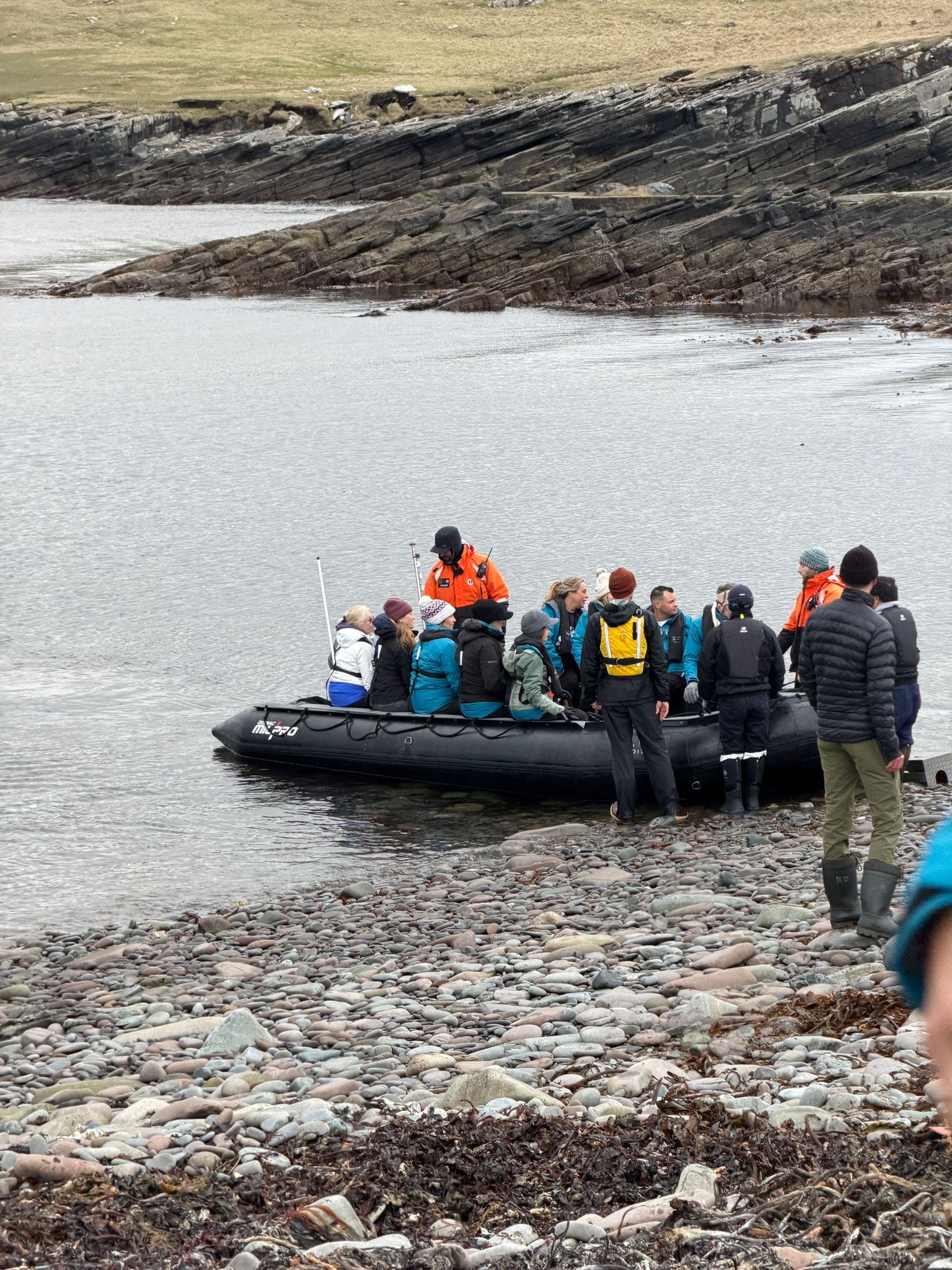
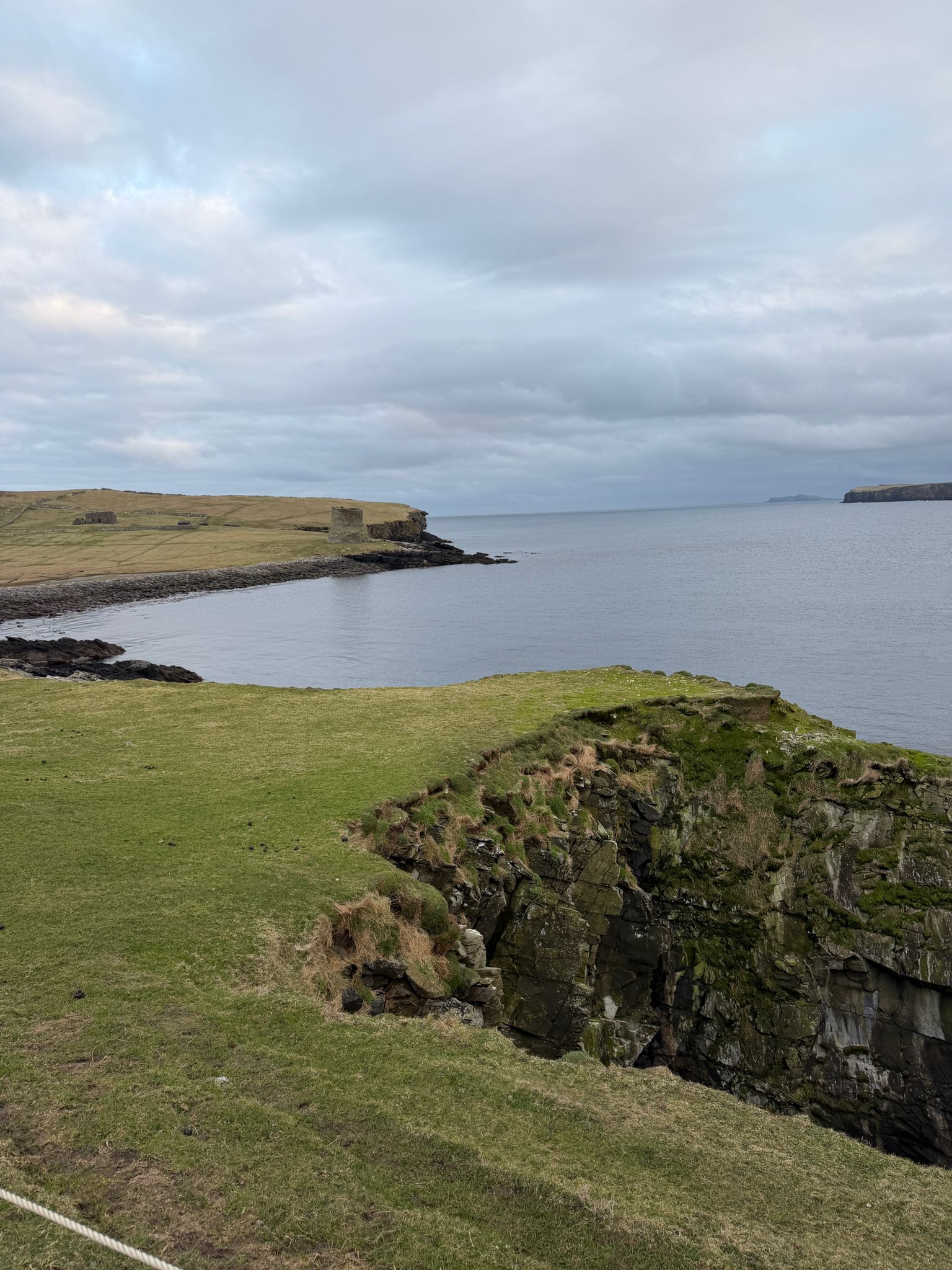
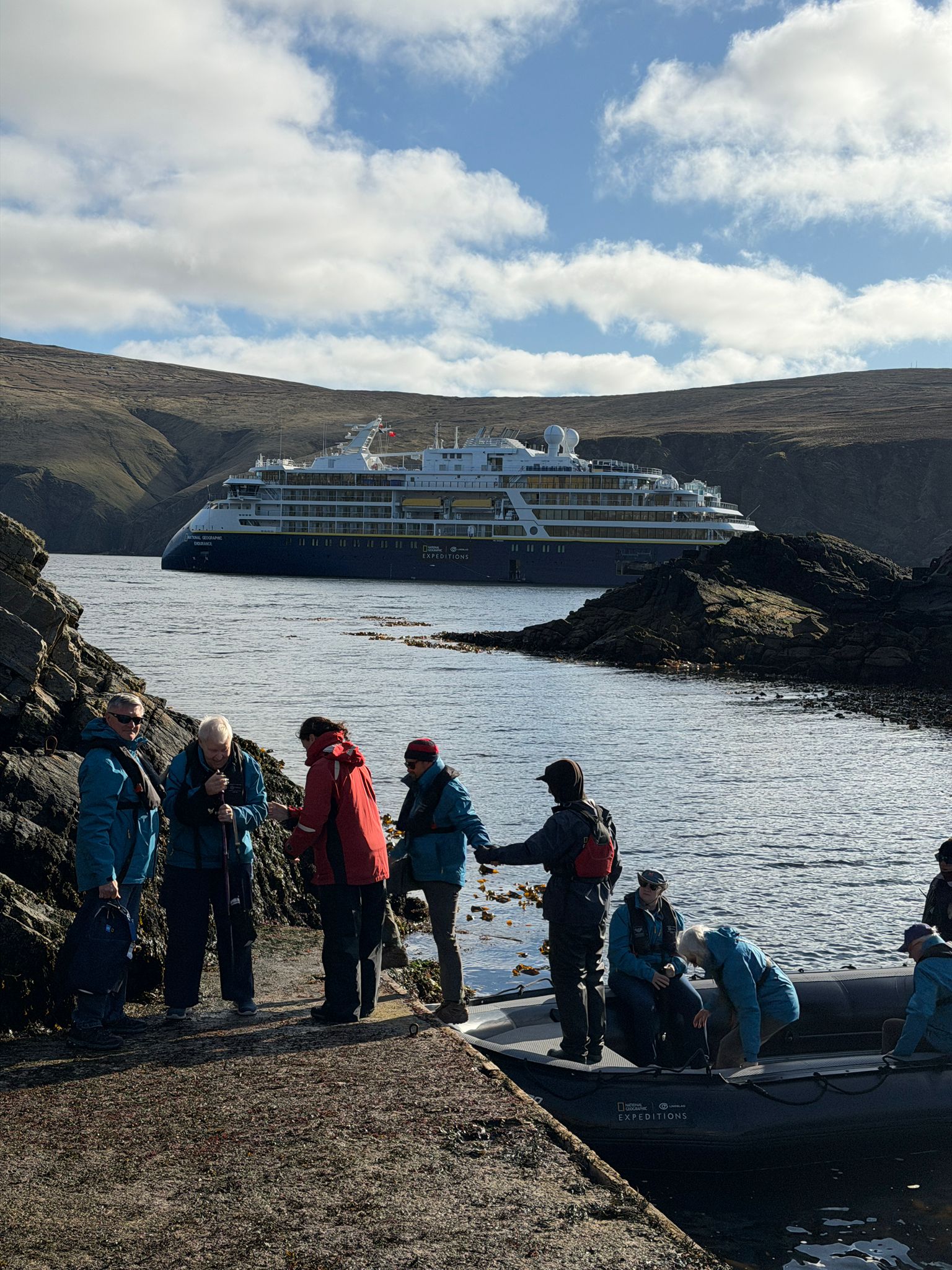
Later came my first zodiac landing, complete with a wet landing, as we visited Mousa Broch in Shetland. This was one of the real highlights of the voyage for me. Reaching the island by zodiac made the whole experience feel even more adventurous and helped bring home just how remote and atmospheric the setting is.
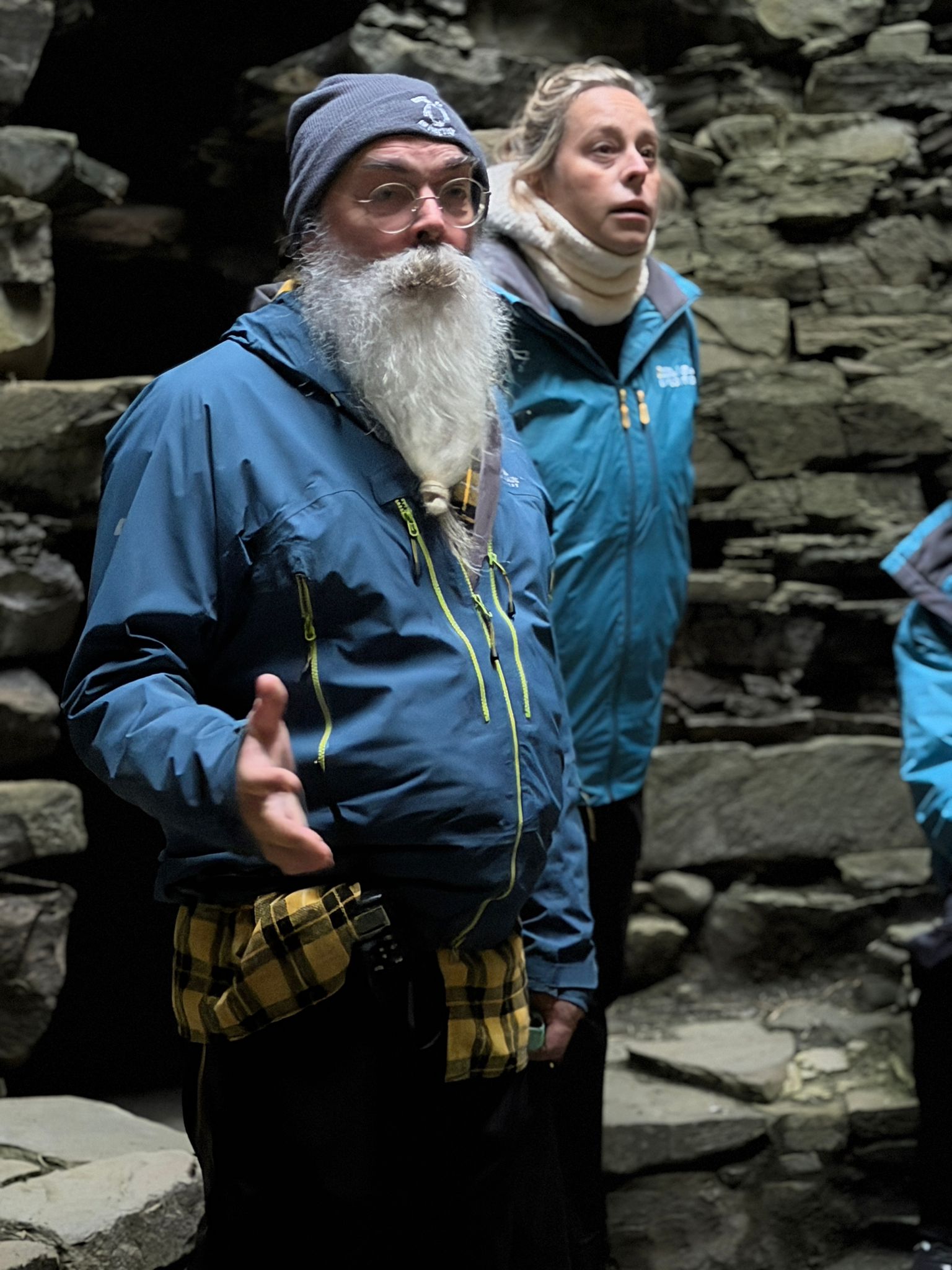
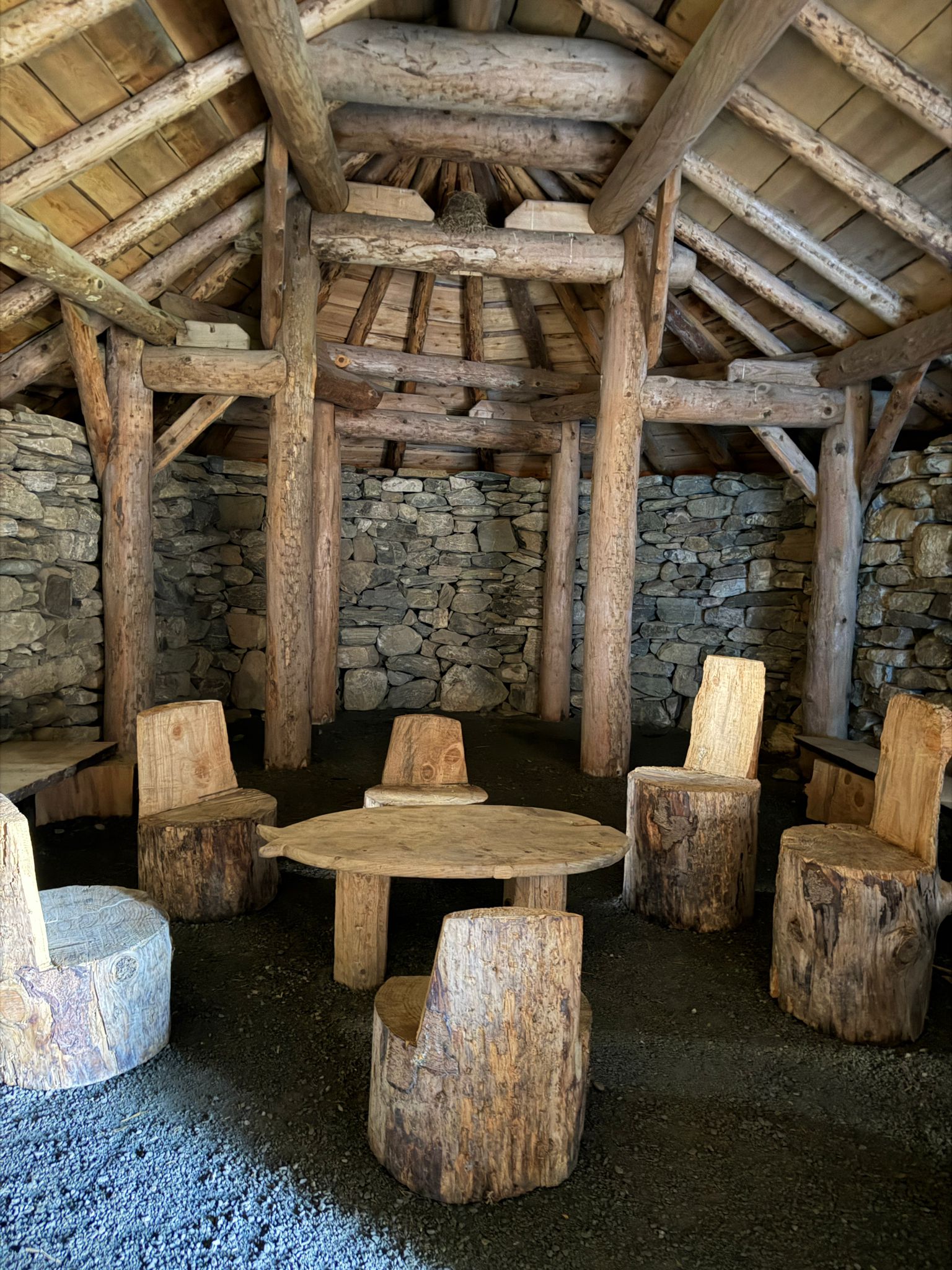
Mousa Broch is extraordinary. Thought to date from around 300 BC, it is the tallest broch still standing and one of the best-preserved prehistoric buildings in Europe. Standing there beside this ancient tower, with the sea around us, was incredibly evocative. It was exactly the sort of experience expedition travel does so well: not just seeing a place, but really feeling it.
Day 3: Discovering Unst
One of the great pleasures of the voyage was visiting places that many travellers never reach, and Unst was a perfect example.
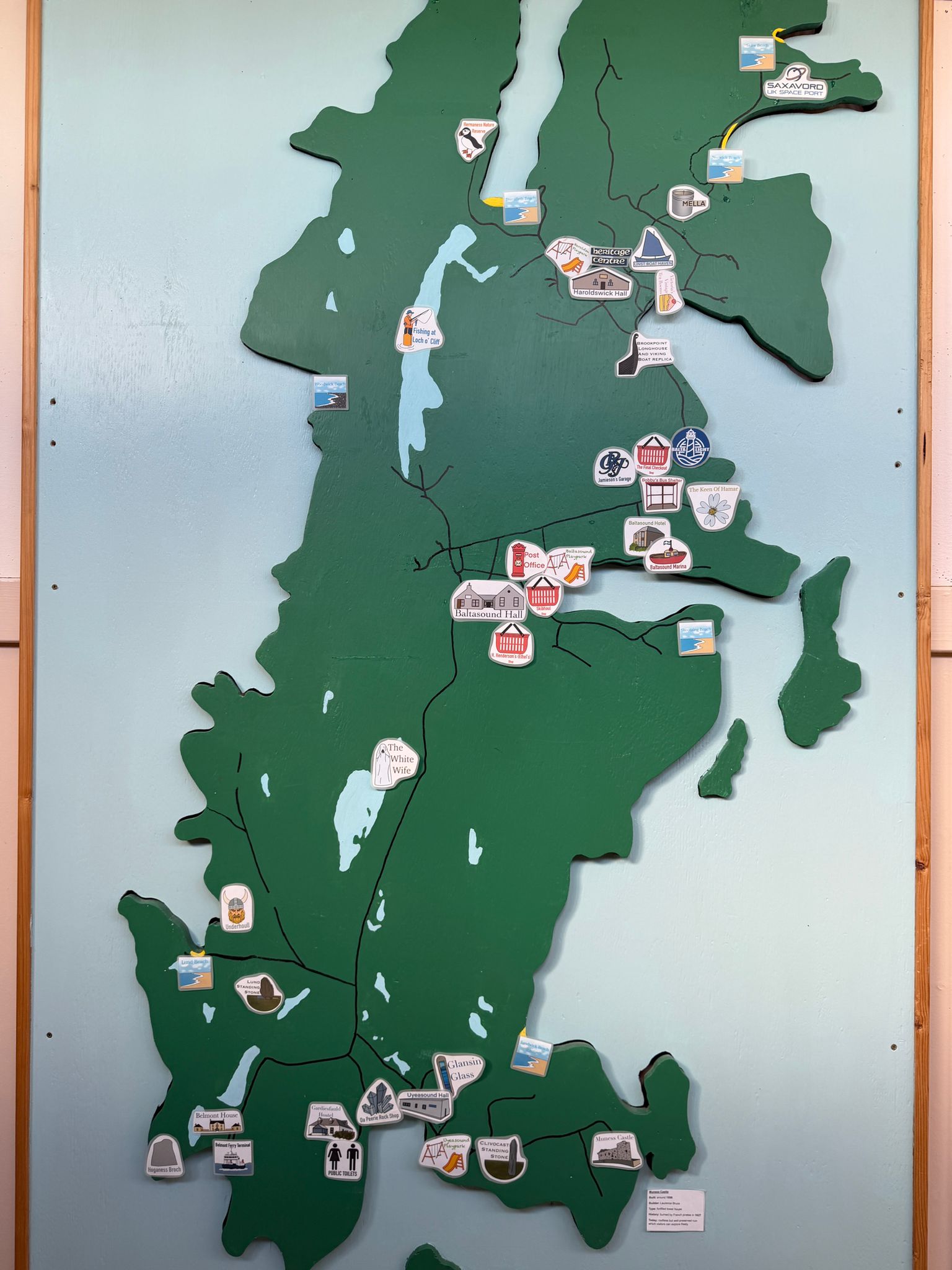
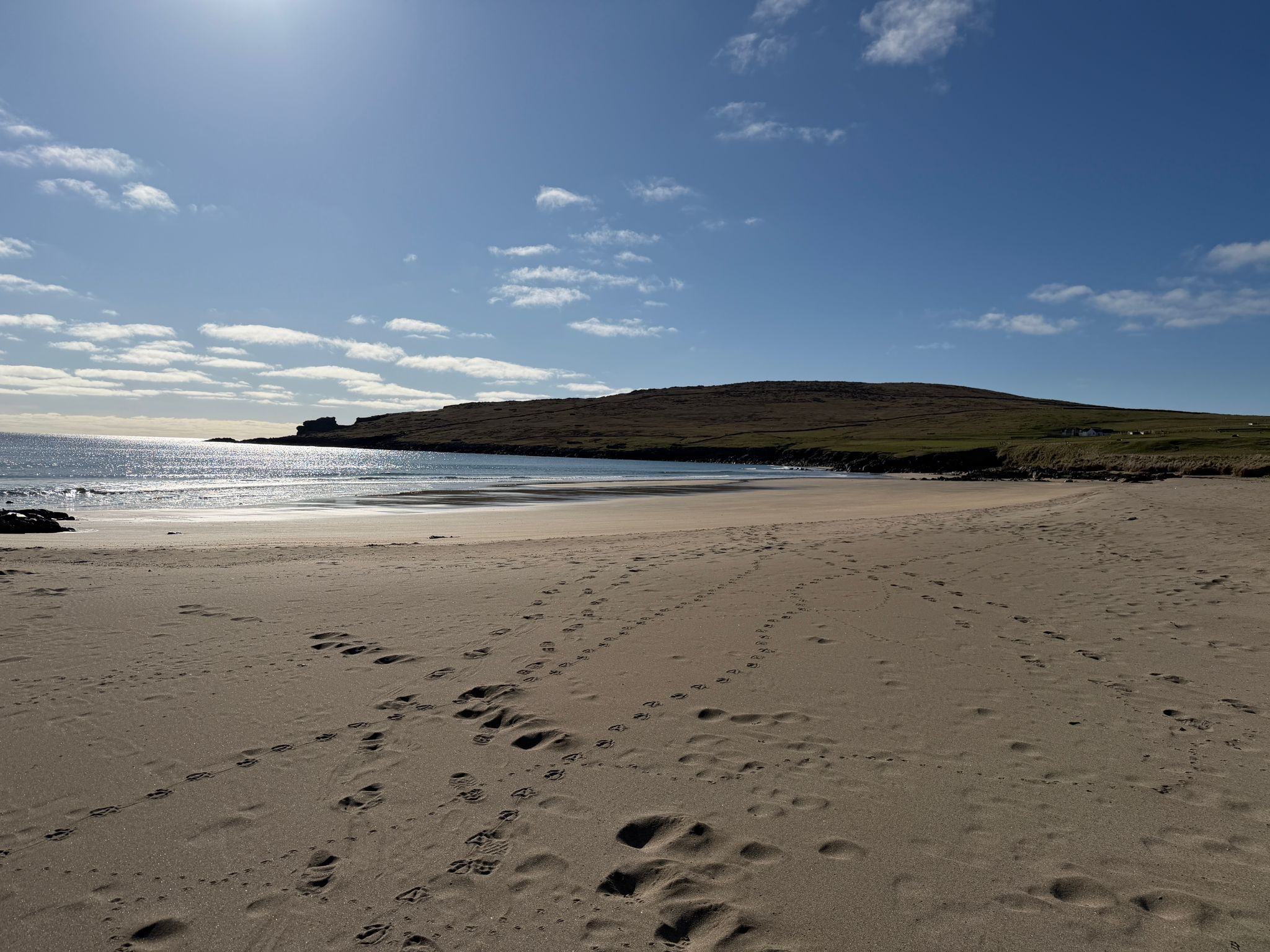
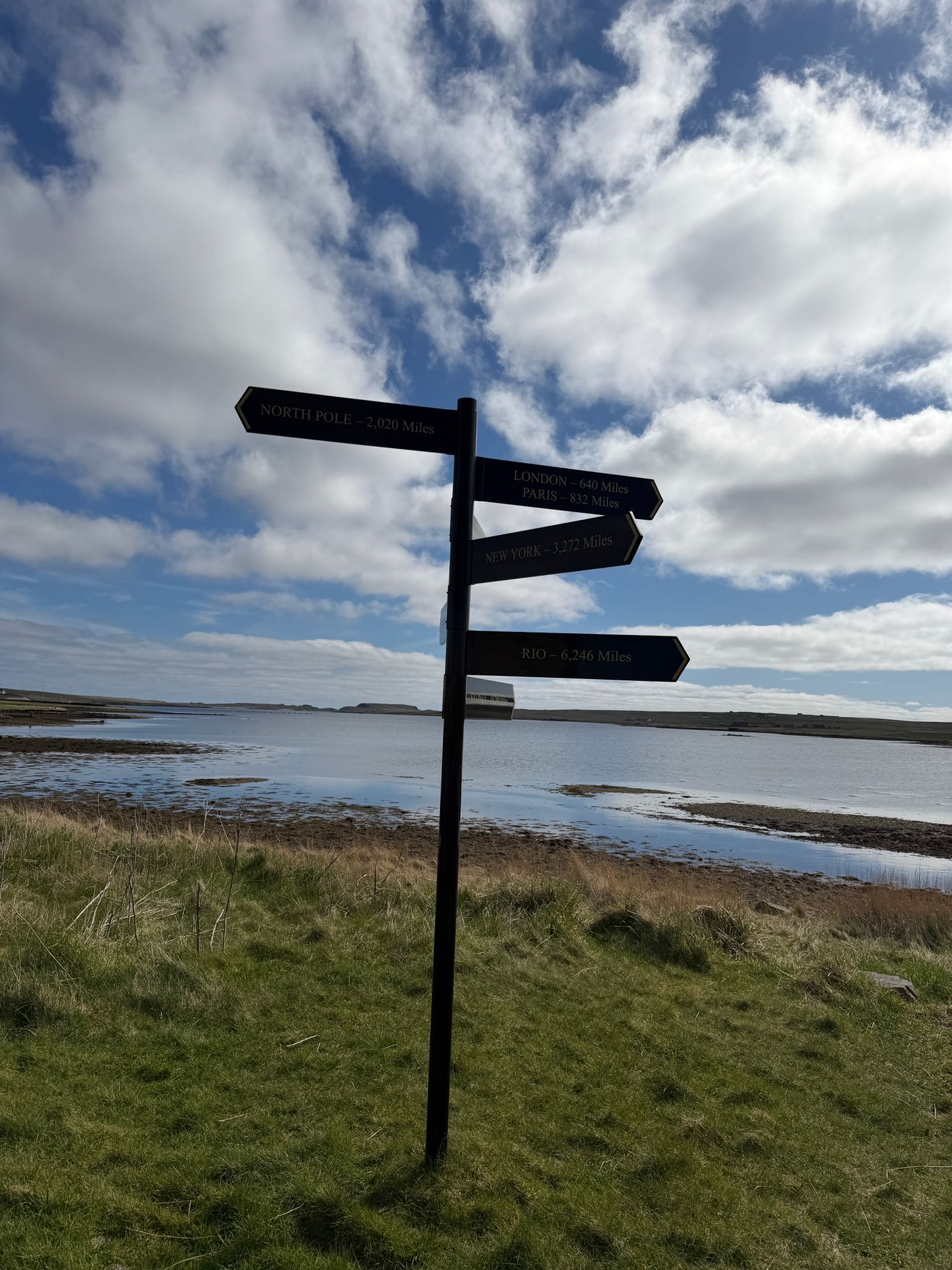
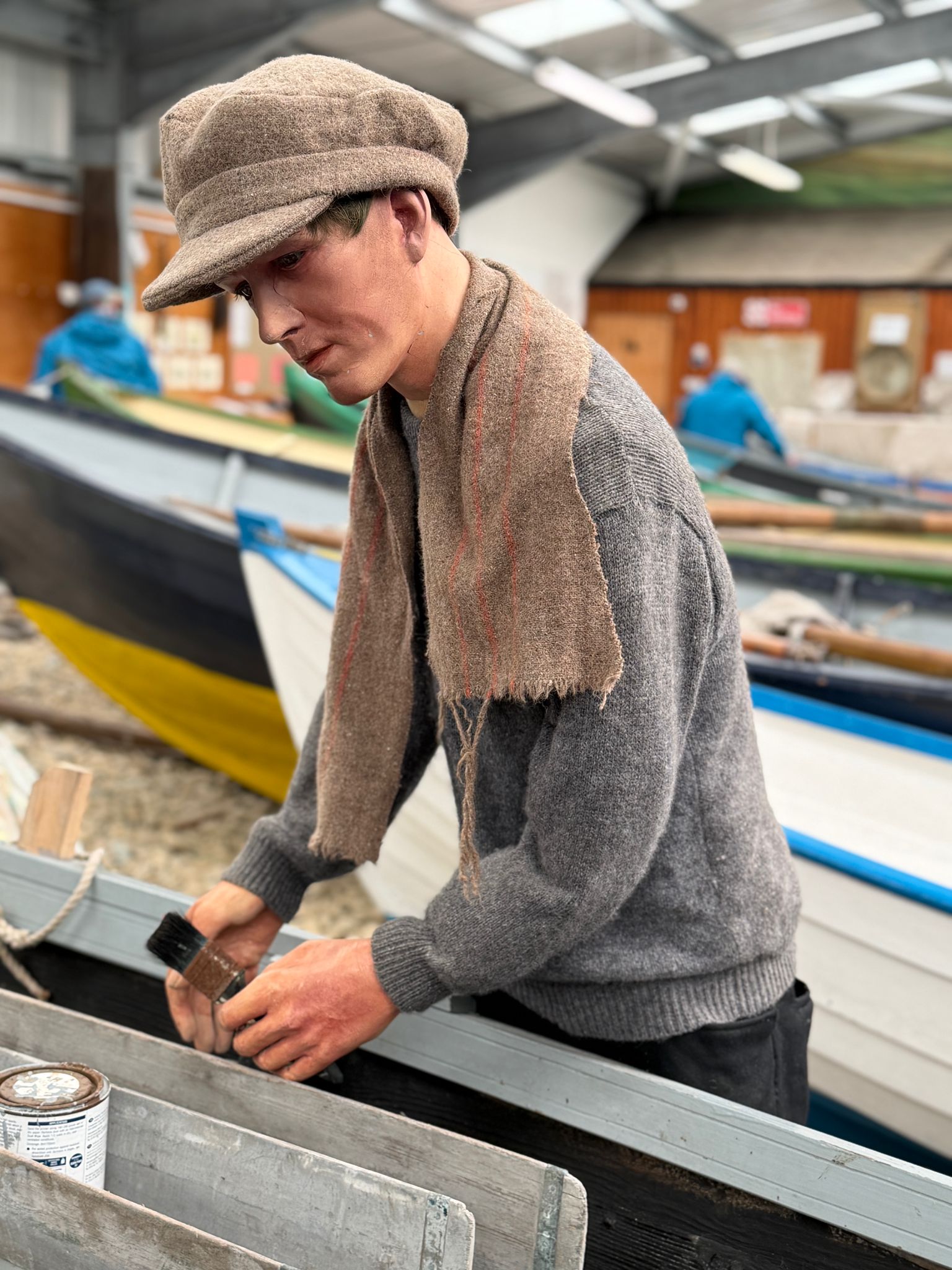
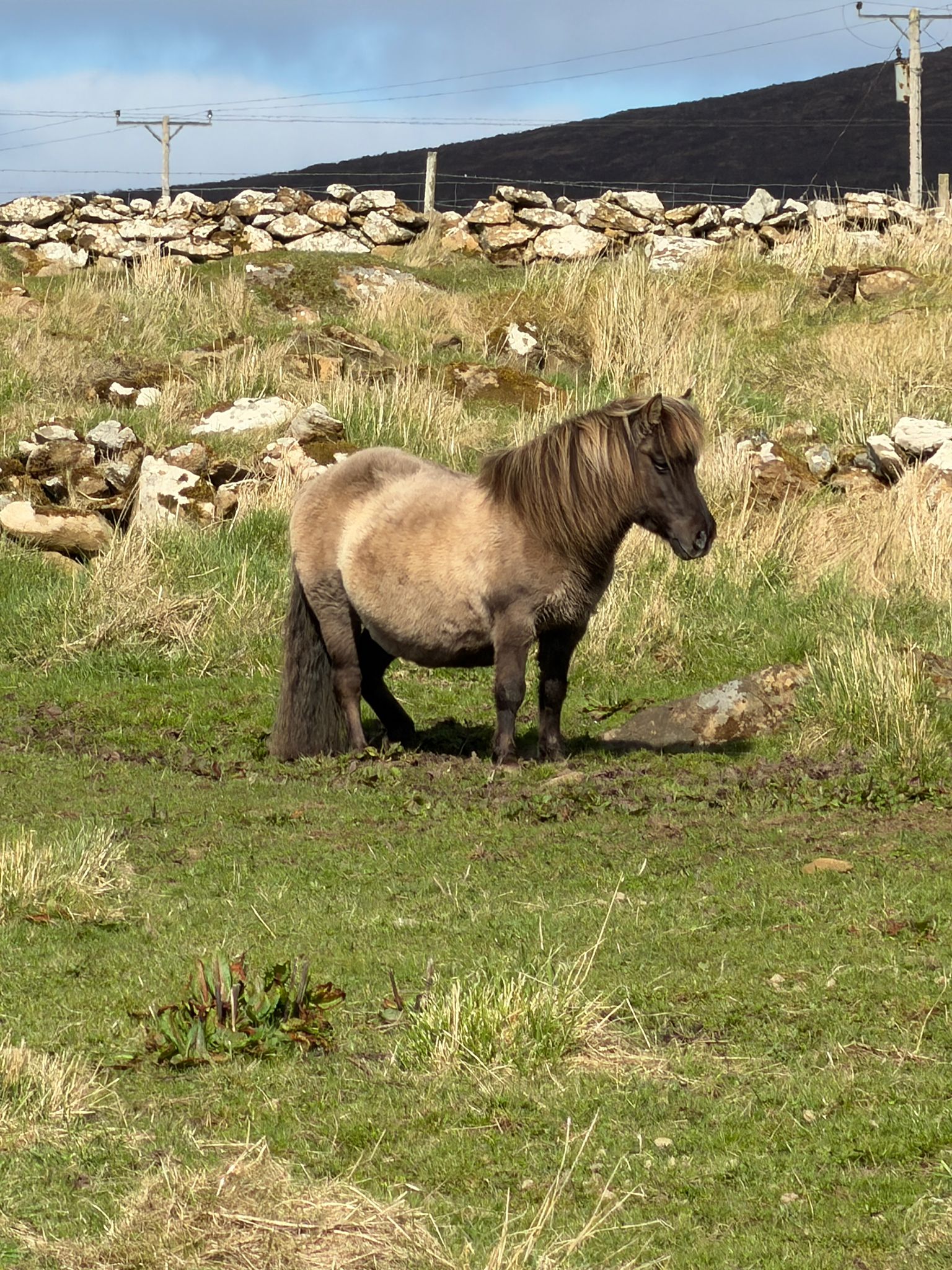
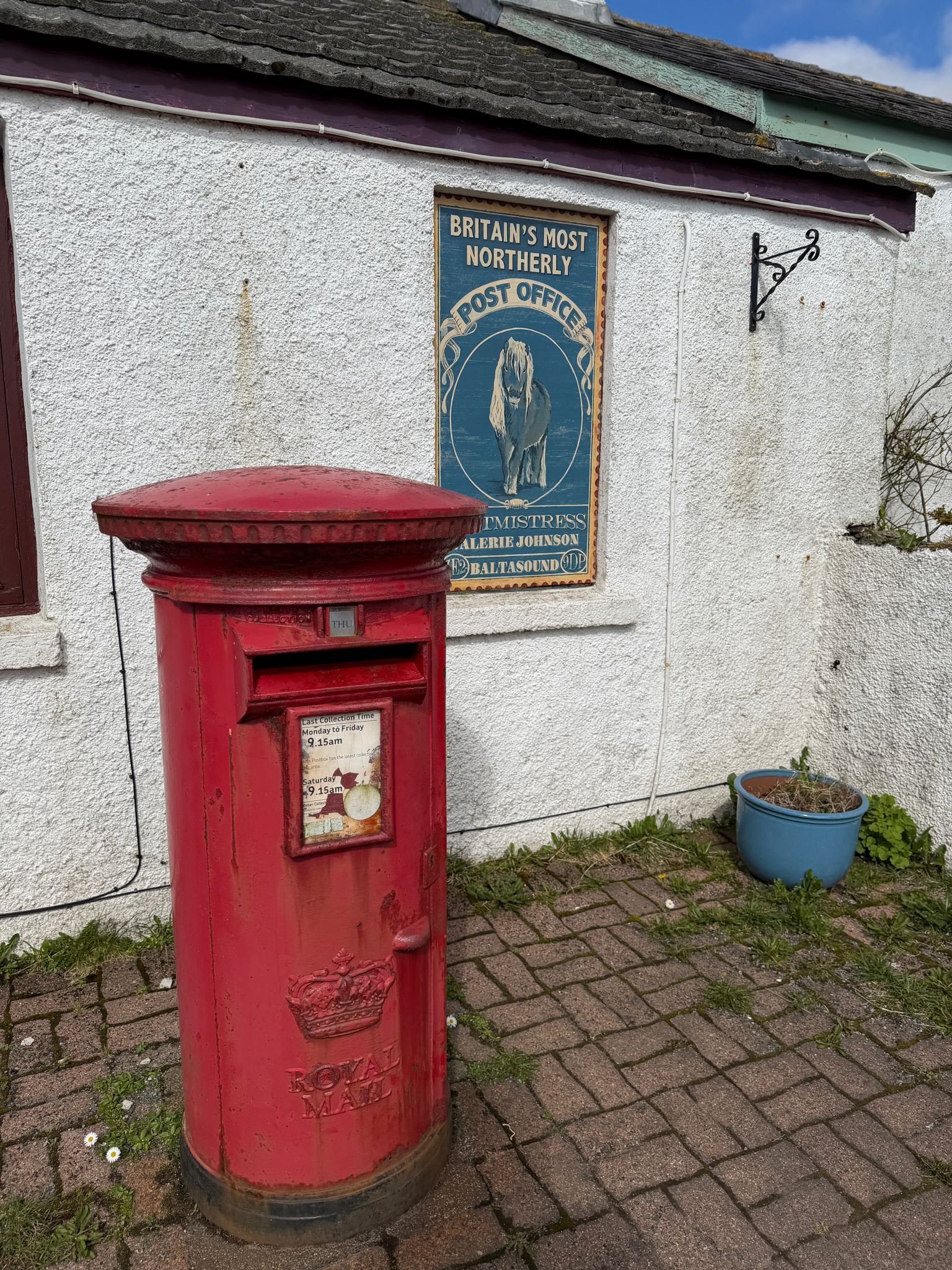
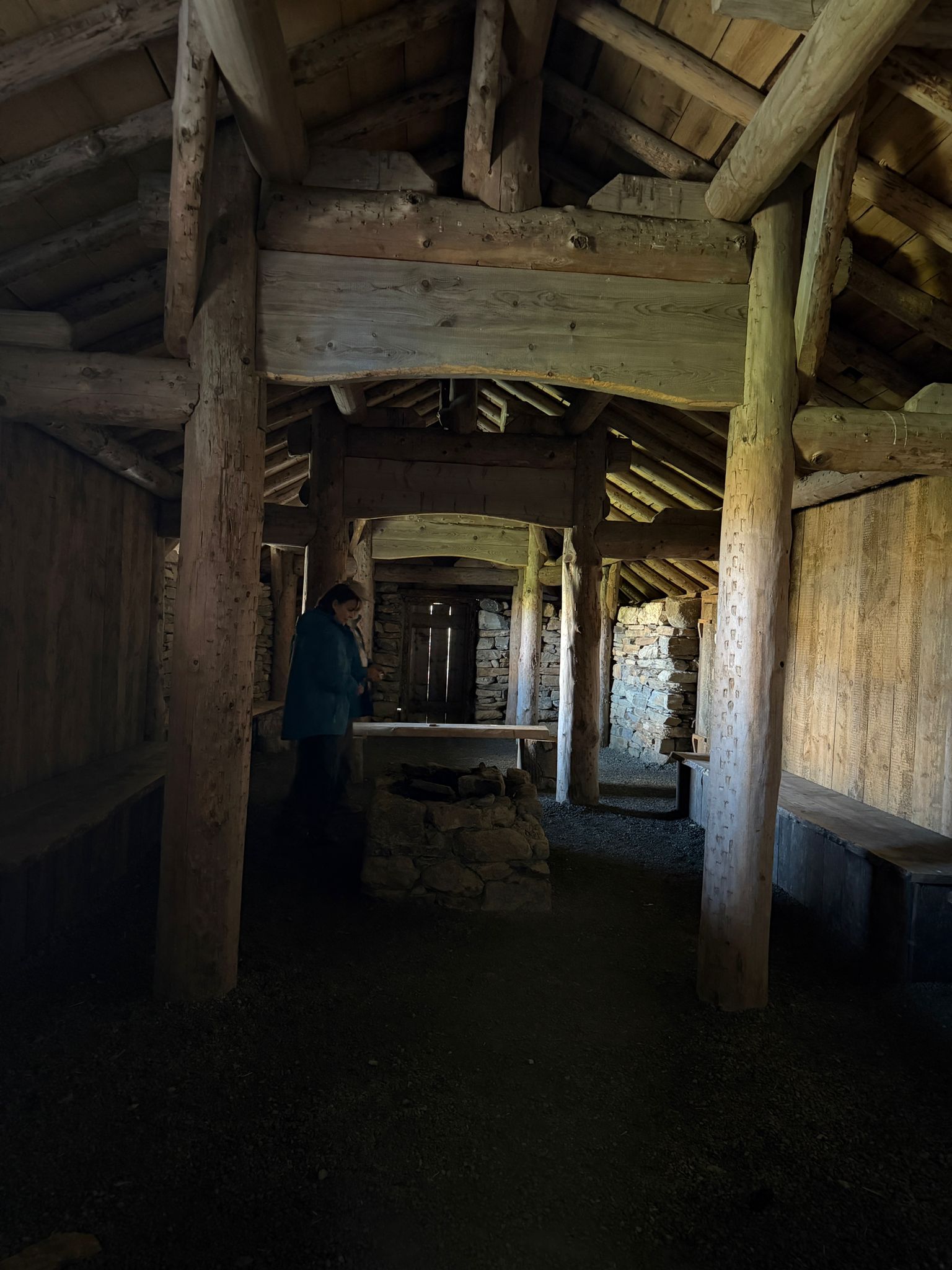
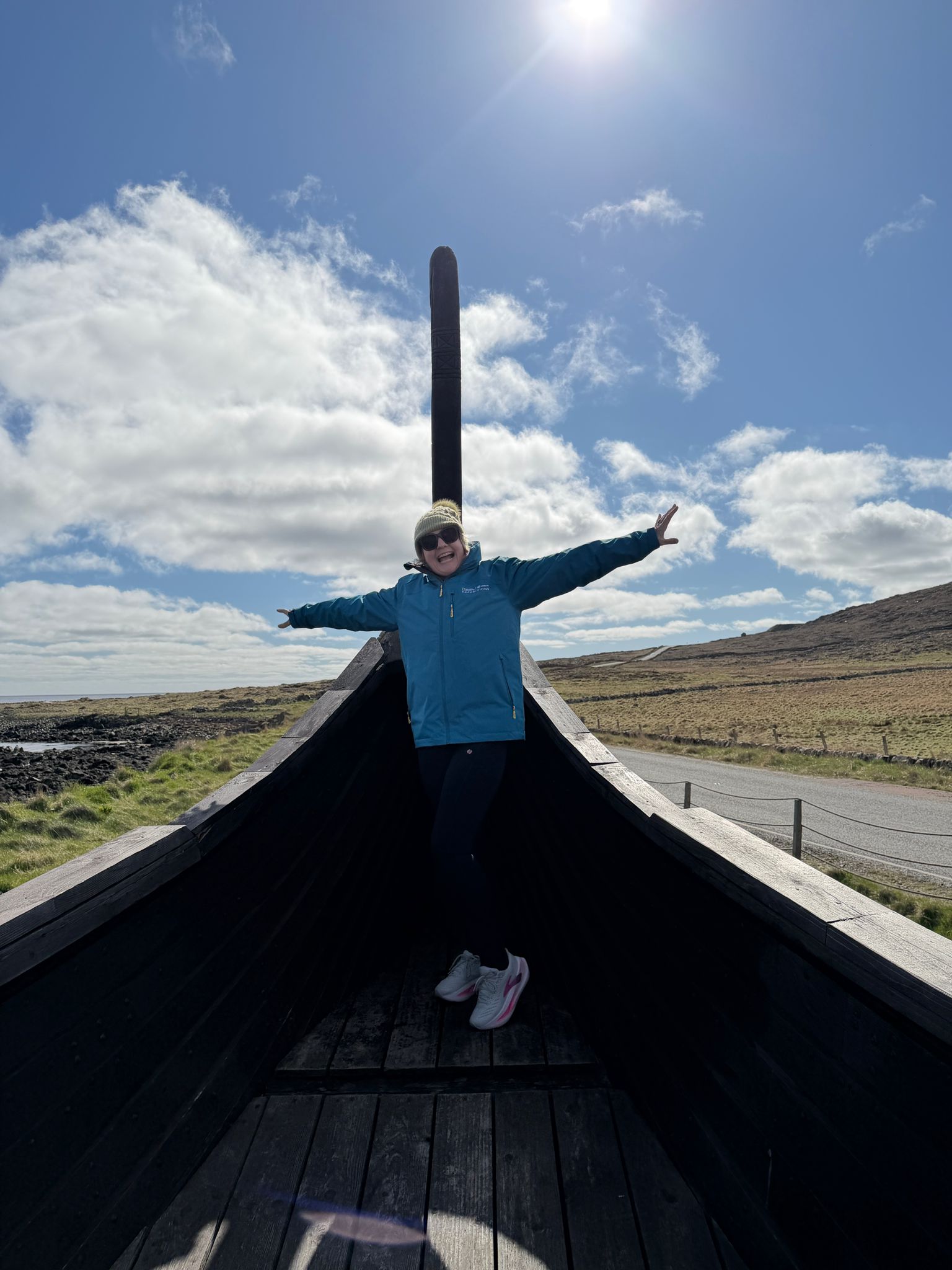
Our coach tour included the Unst Heritage Centre, Unst Boat Haven, Norwick Beach and several Viking sites. Unst is Shetland’s northernmost island, and it has a remarkable sense of identity. It is rich in Viking history, maritime heritage and crofting tradition, and I found it fascinating.
The Heritage Centre offered insight into local life through displays on crofting, fishing, geology and traditional skills such as spinning and fine lace knitting. Unst Boat Haven was equally interesting, with its collection of traditional fishing and sailing boats helping to tell the story of island life and the importance of the sea.
It was a quieter day of discovery, but one that I enjoyed immensely.
Day 4: The Shiant Islands and Inverewe
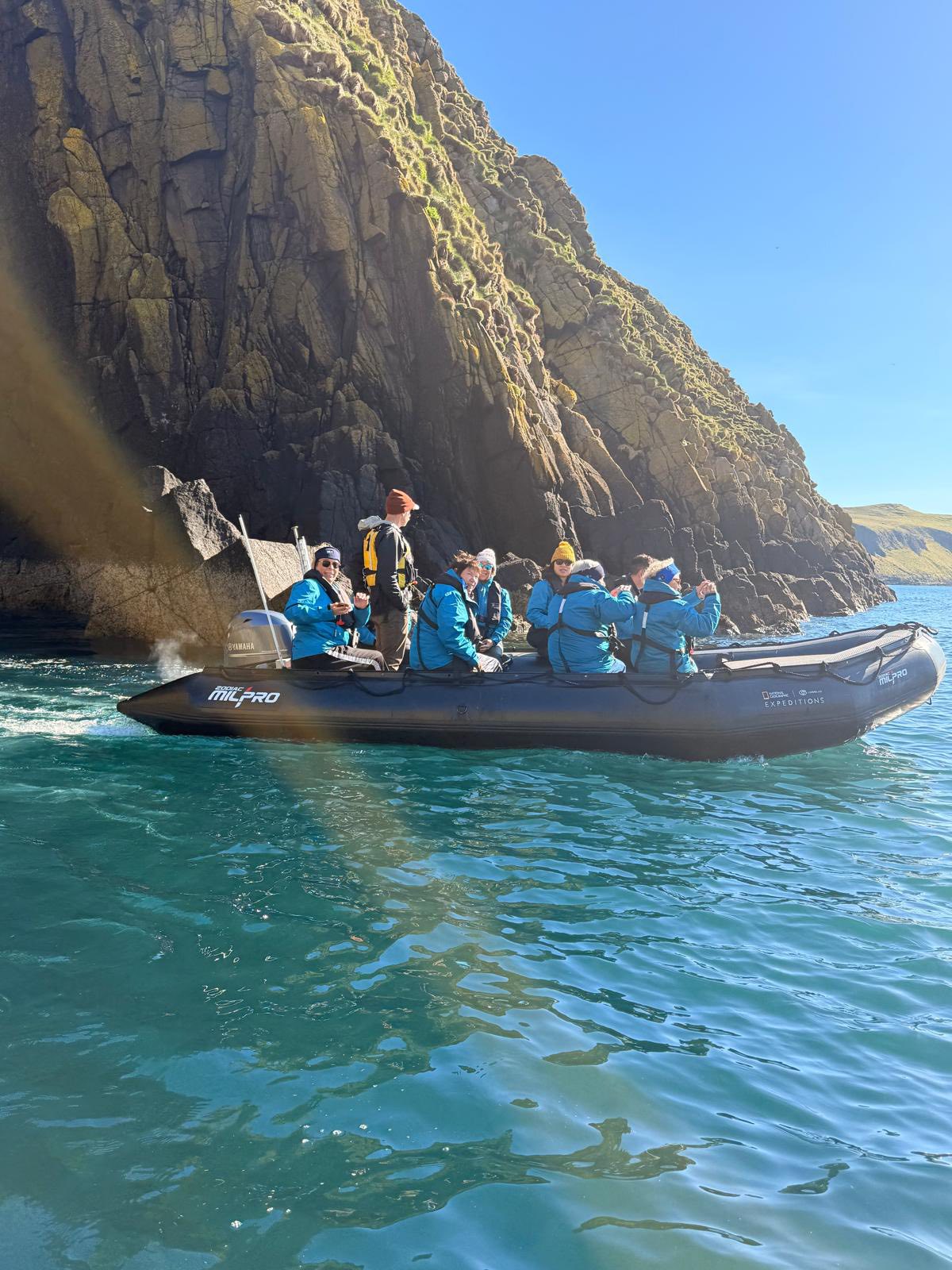
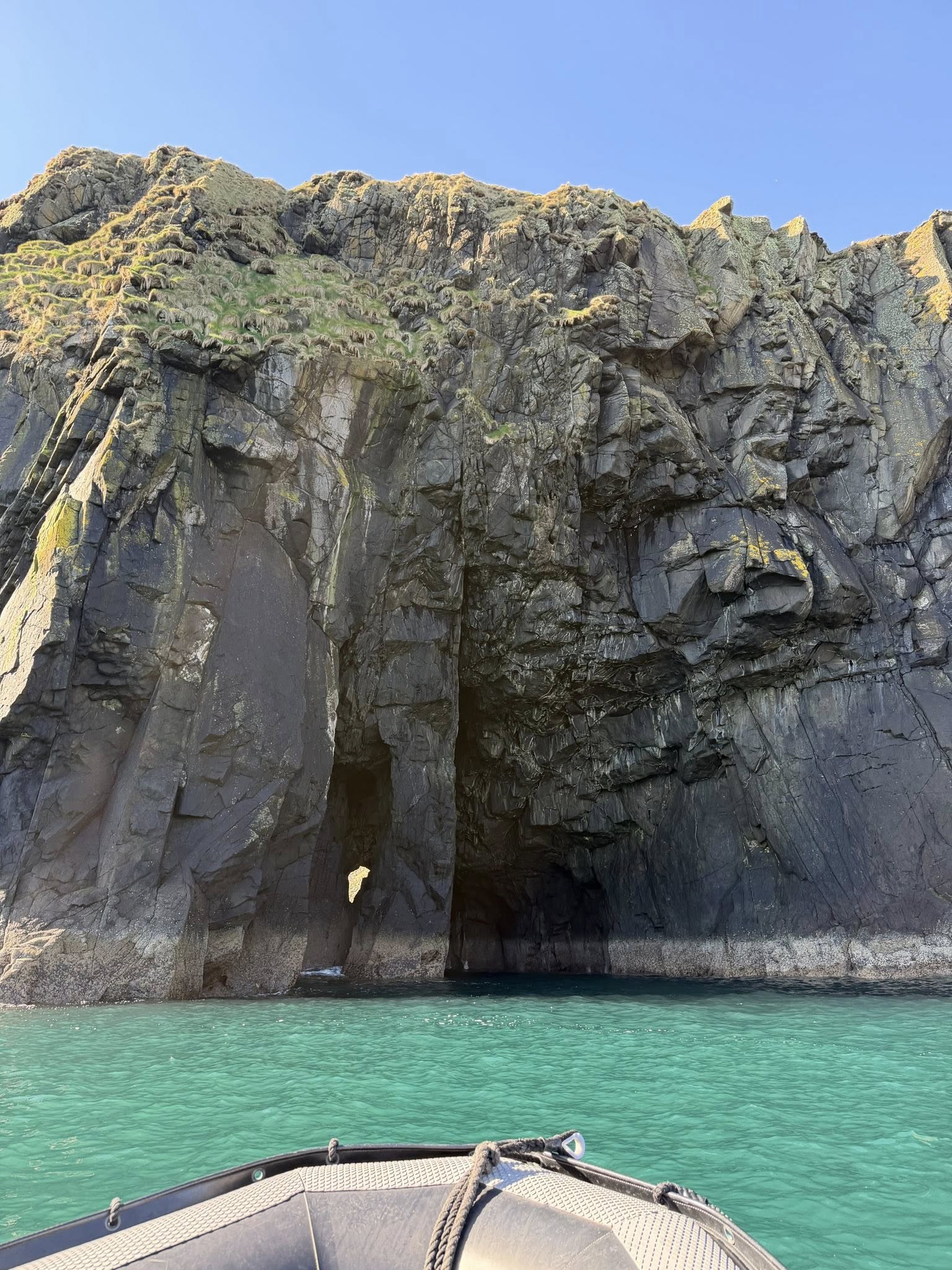
Another memorable day began with an impromptu zodiac cruise around the Shiant Islands, made possible by perfect sea and weather conditions. These are the moments that remind you what expedition travel is all about. Plans can flex when conditions allow, and that flexibility can lead to some of the most magical experiences.
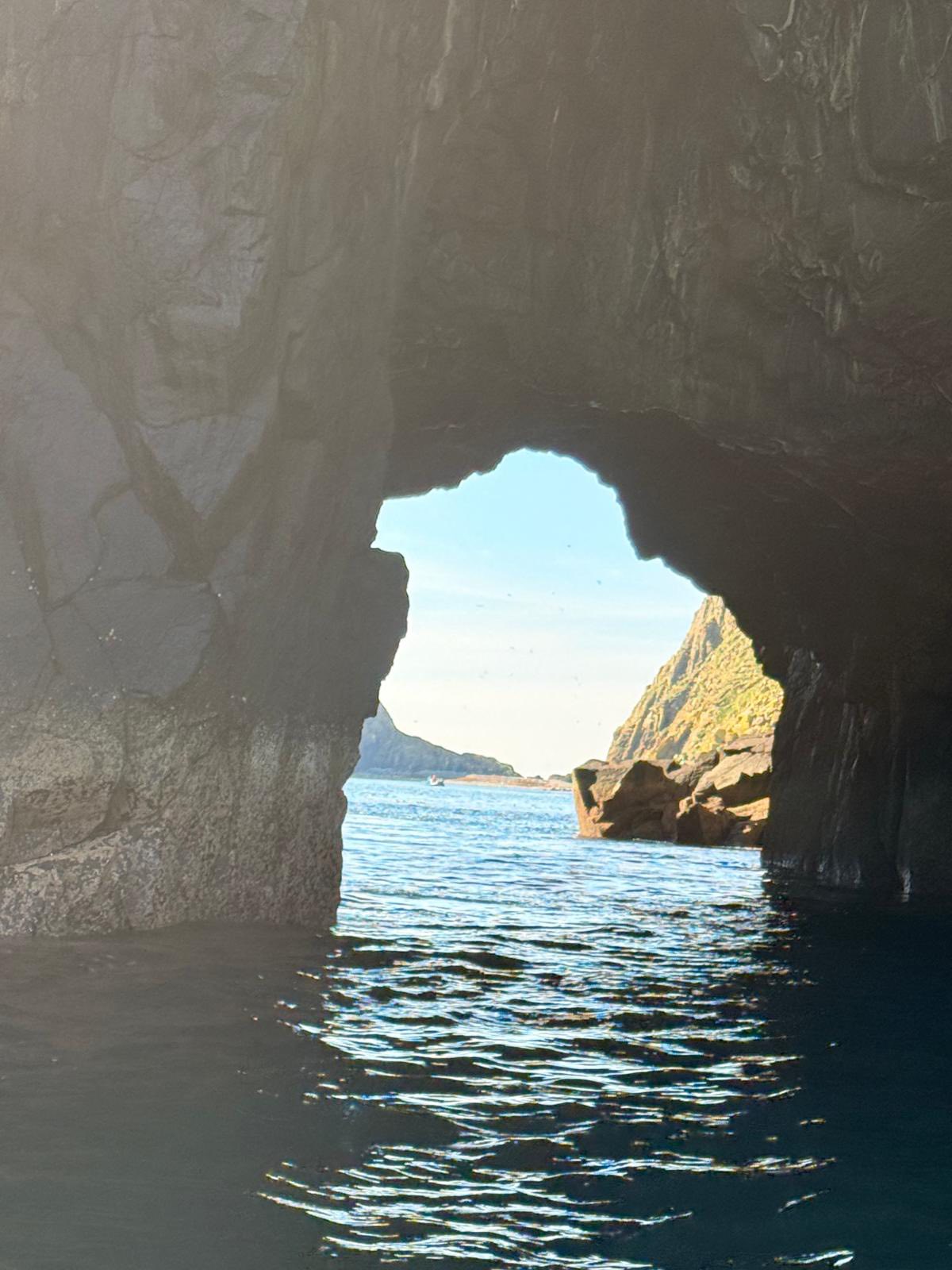
We spent around an hour and a half in the zodiacs circling the islands, taking in the rich wildlife, the seabird colonies and the astonishingly clear water. We saw puffins and seals, and being so close to the cliffs and birdlife from the water was a real privilege.
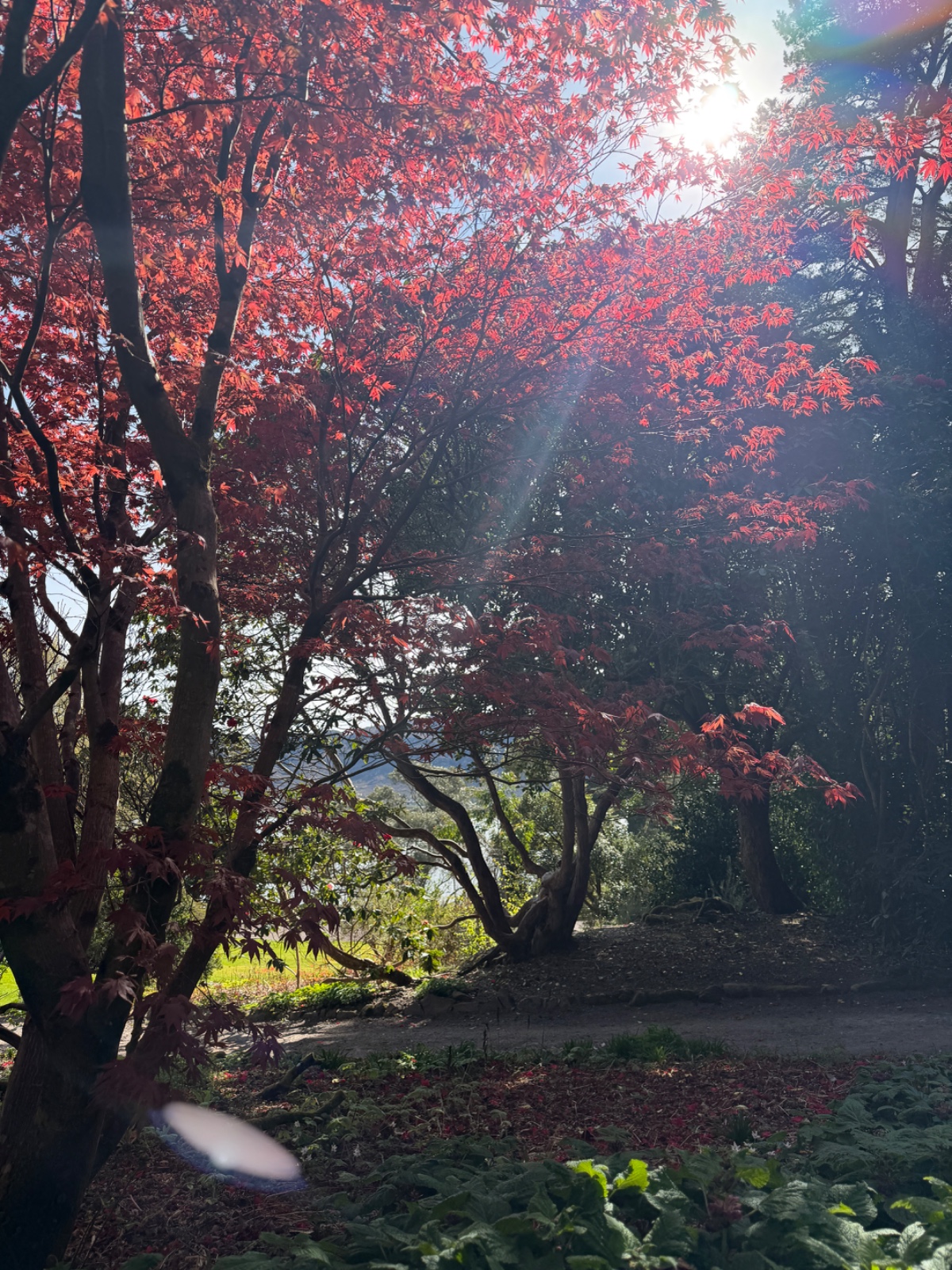
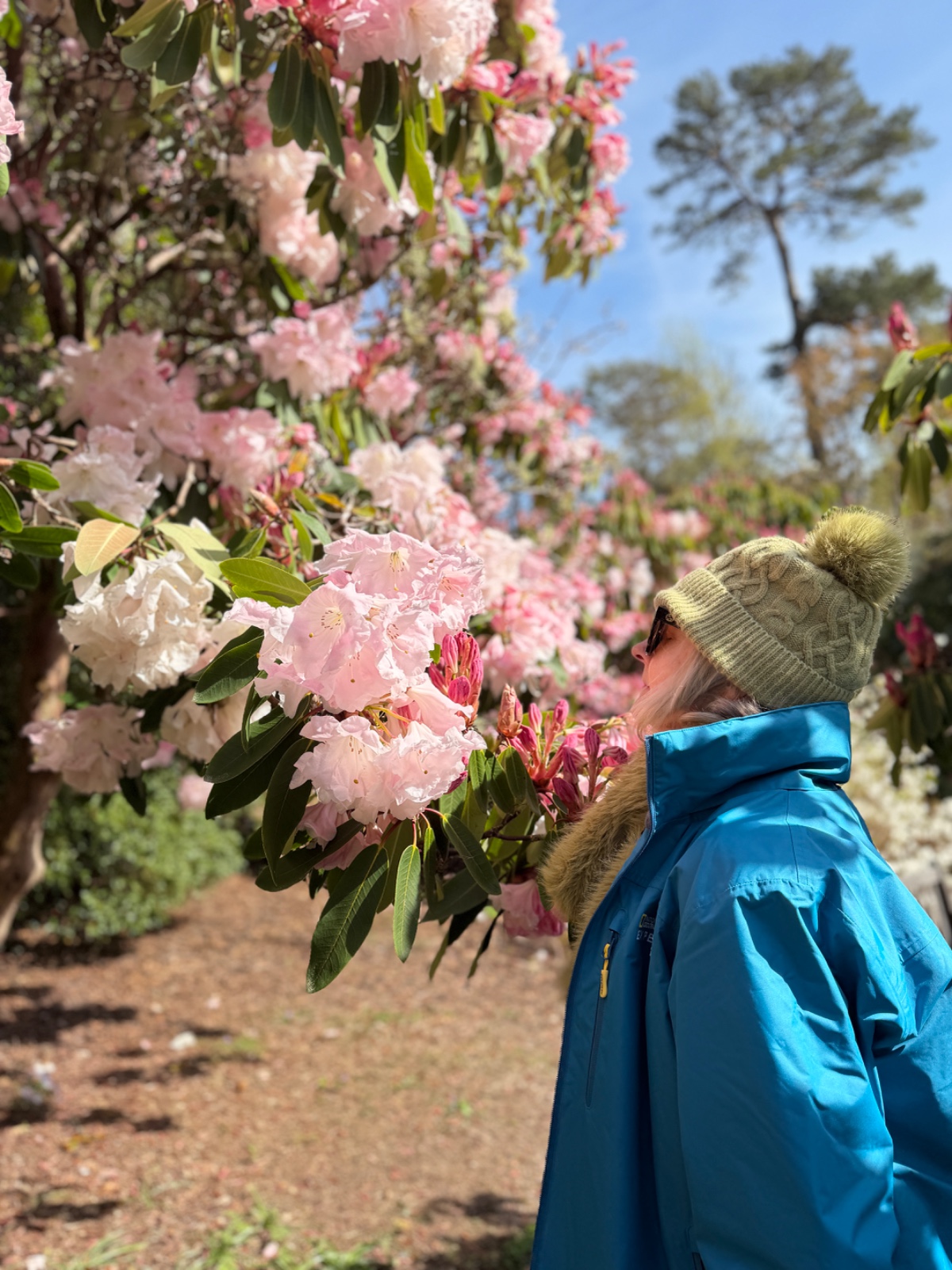
Later, we continued to Inverewe, where the mood shifted completely. After the wildness of the morning, the gardens offered a calmer but no less beautiful experience. Inverewe is a remarkable place, created on a remote stretch of Highland coastline where unusual species thrive thanks to the effects of the Gulf Stream.
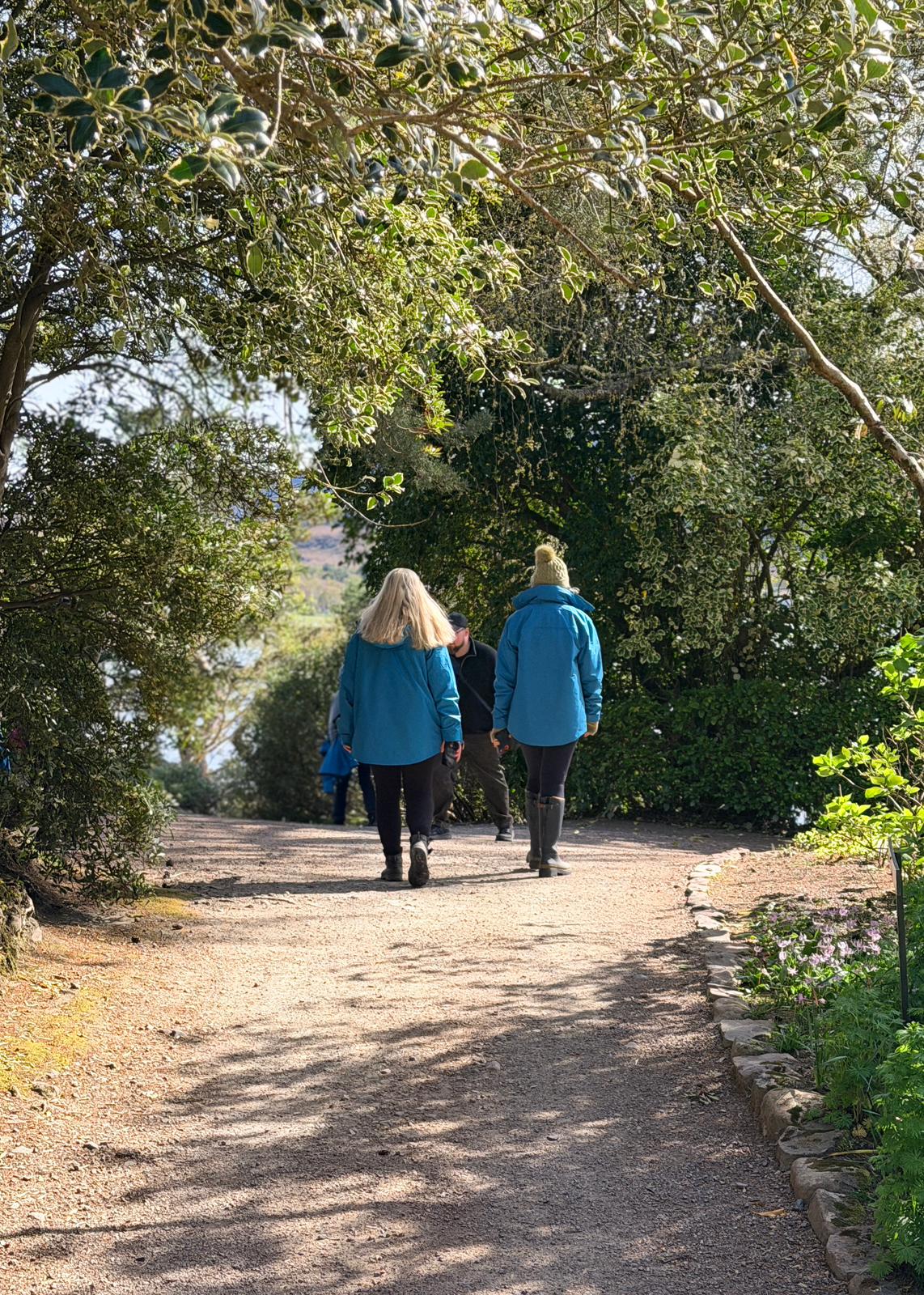
Walking through the gardens, it was easy to appreciate why this stop is included. It was inspiring, surprising and deeply beautiful, and it showed yet another side of Scotland.
Day 5: Talisker Bay on Skye
This morning brought yet another reminder of how special this voyage has been, as we arrived at Talisker Bay on the Isle of Skye, a beautiful and remote spot on the island’s west coast known for its black sand beach, sea stacks and dramatic Atlantic-facing cliffs.
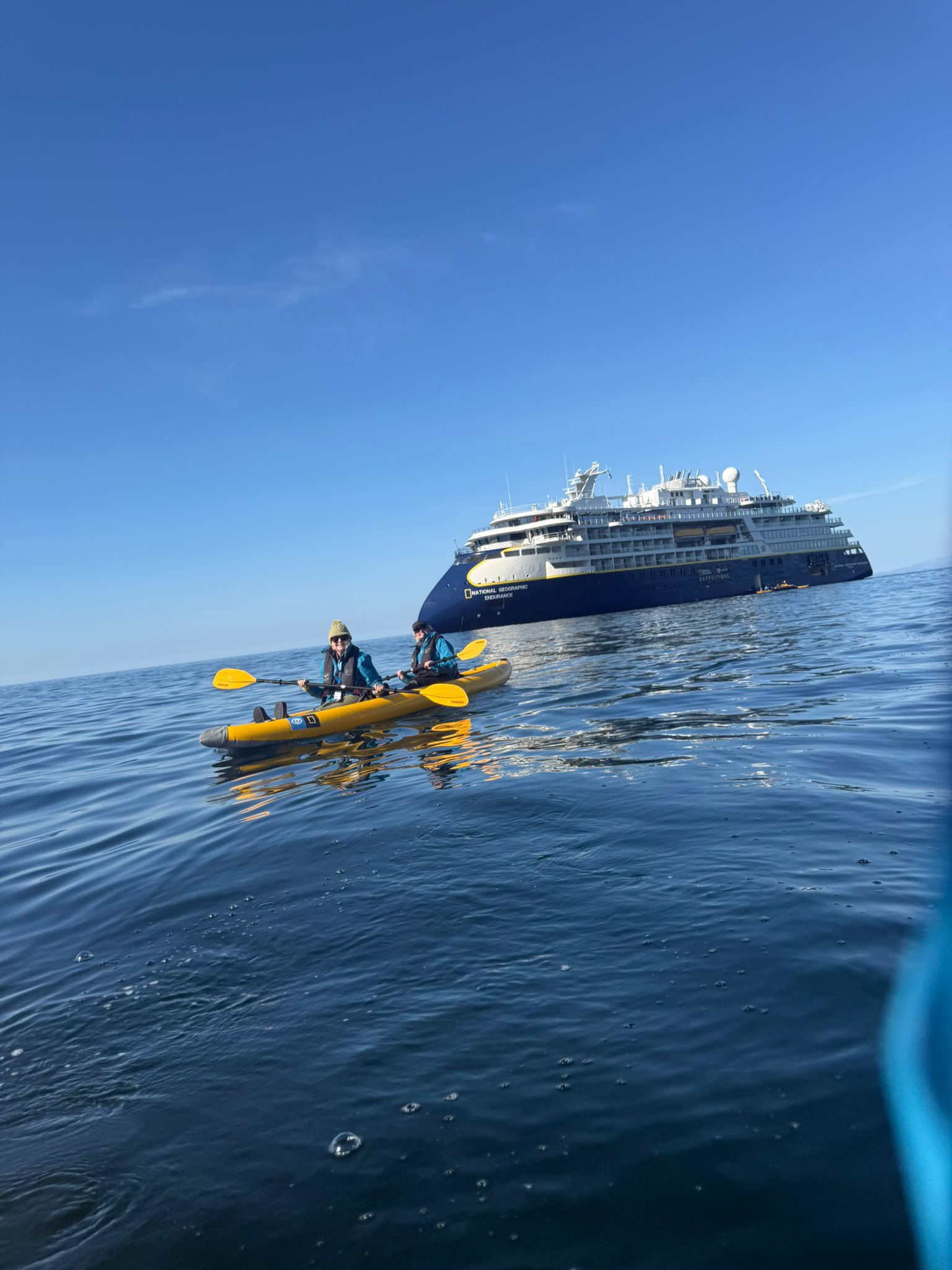
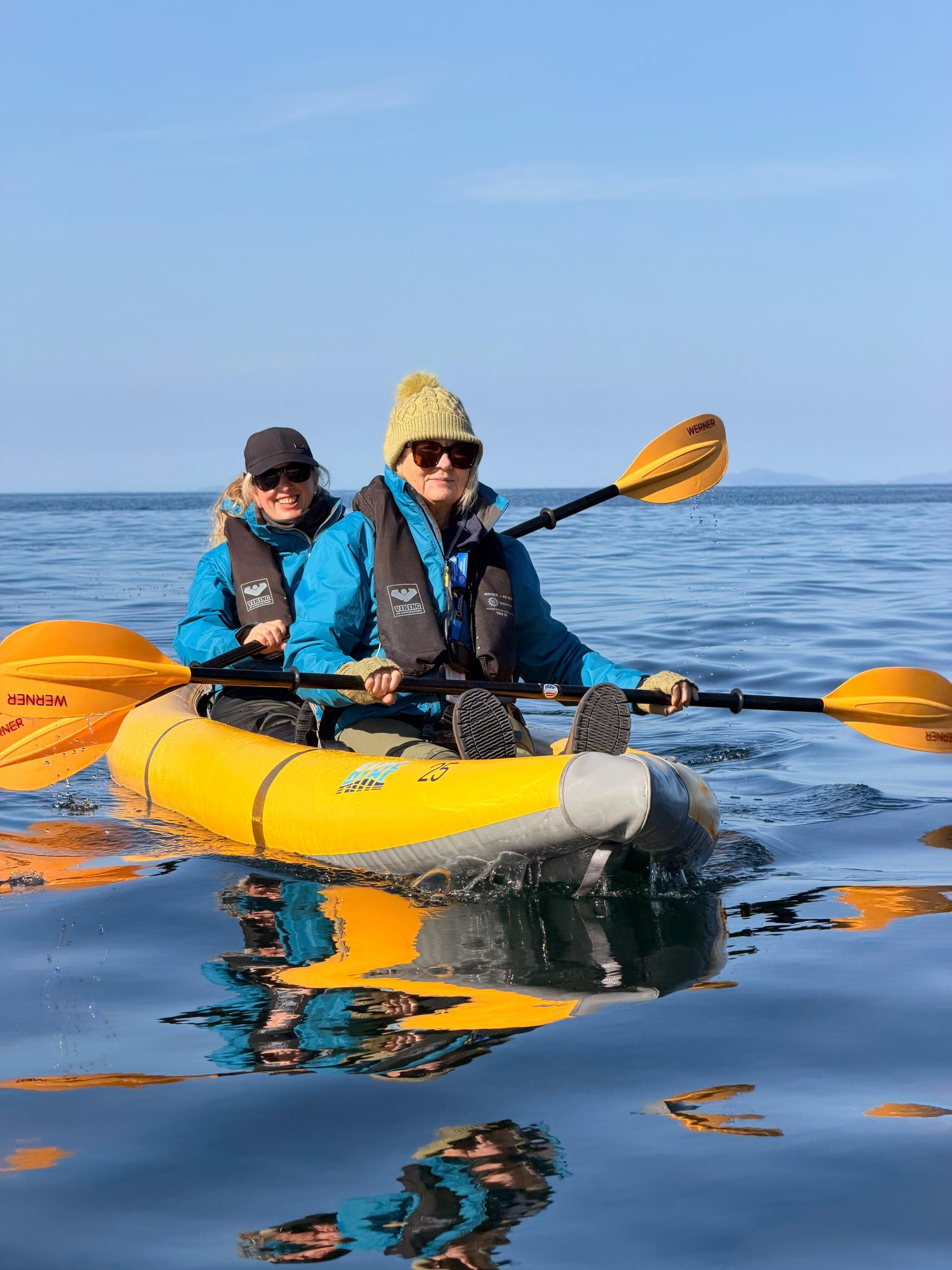
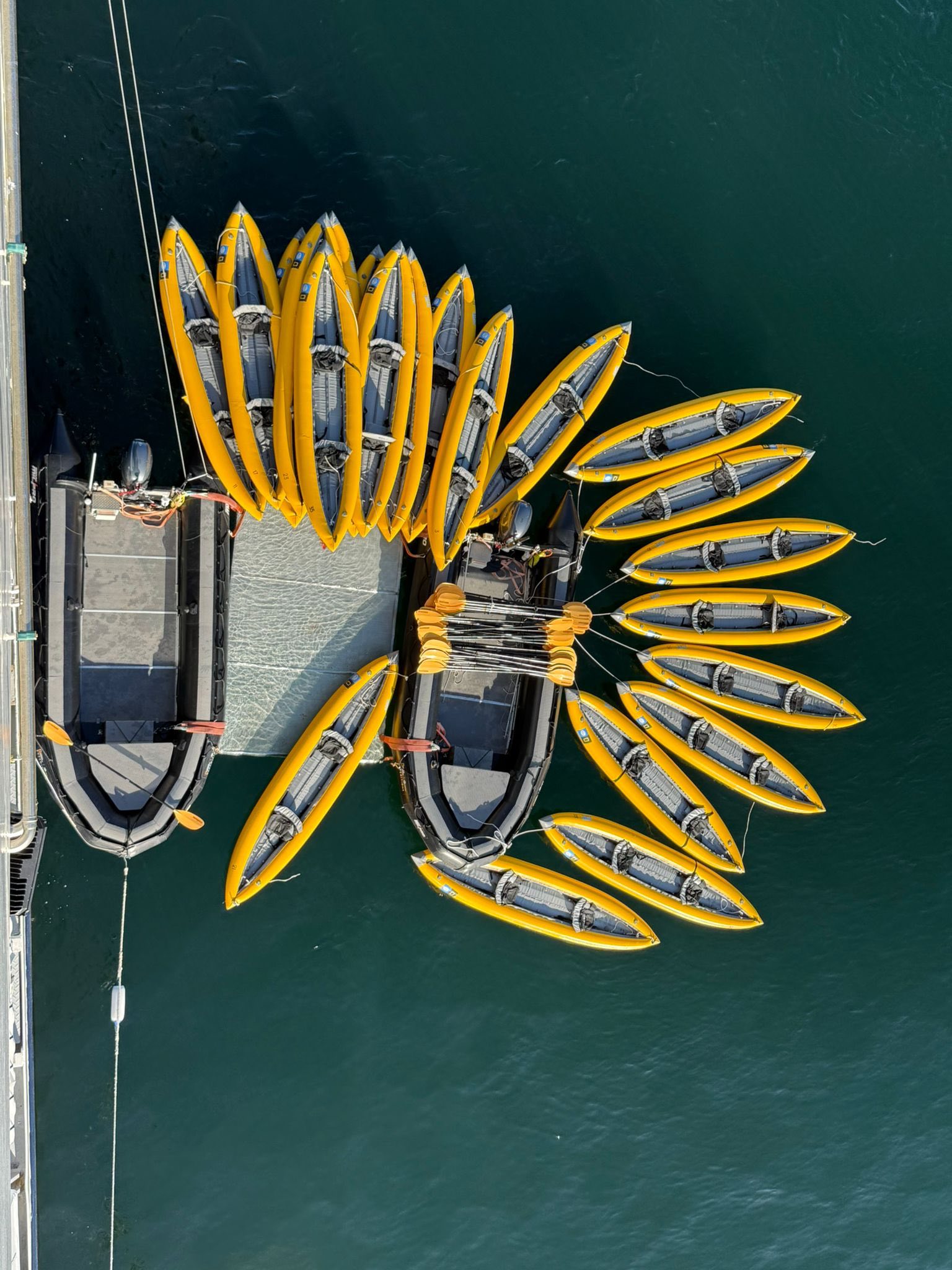
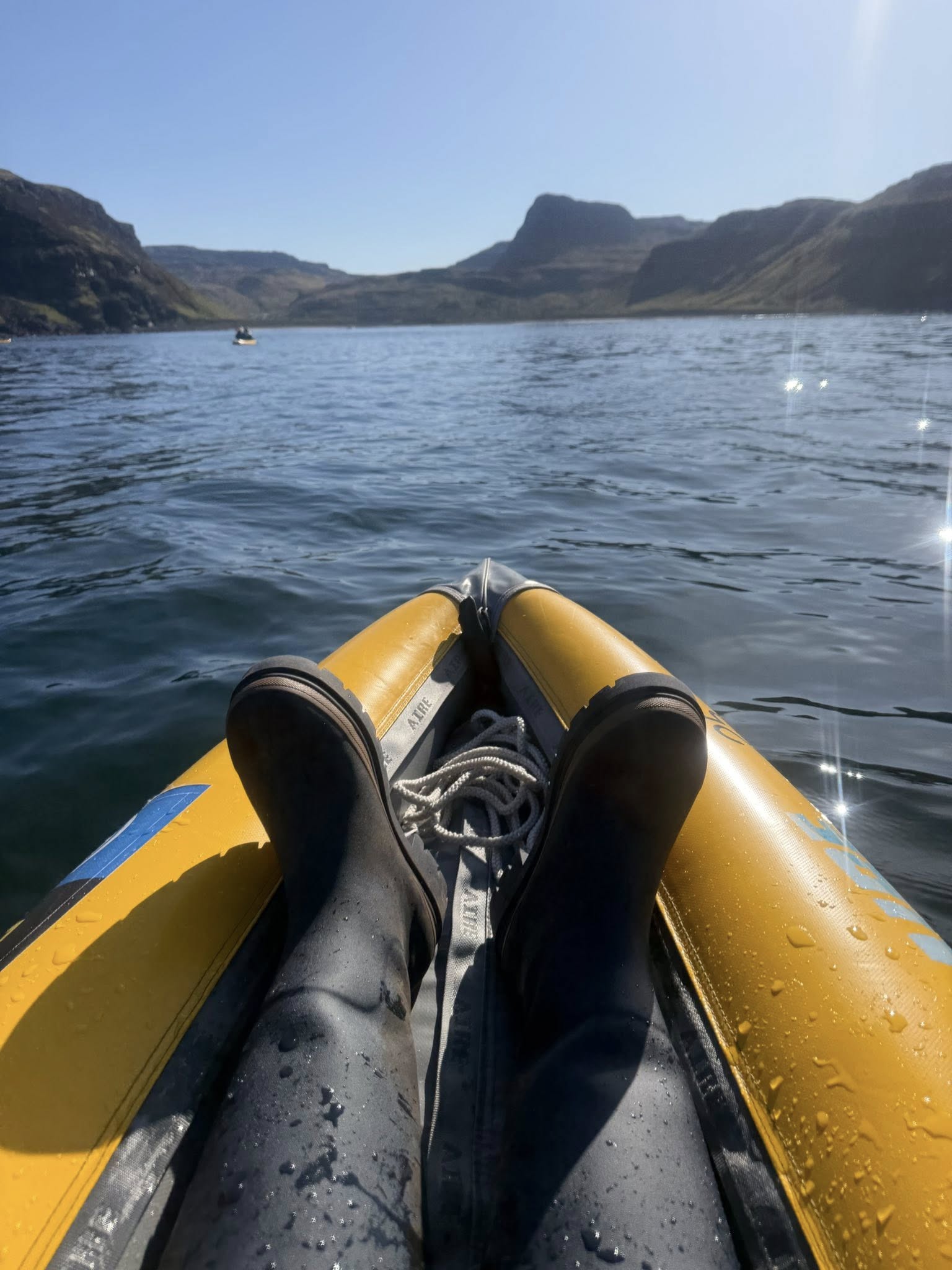
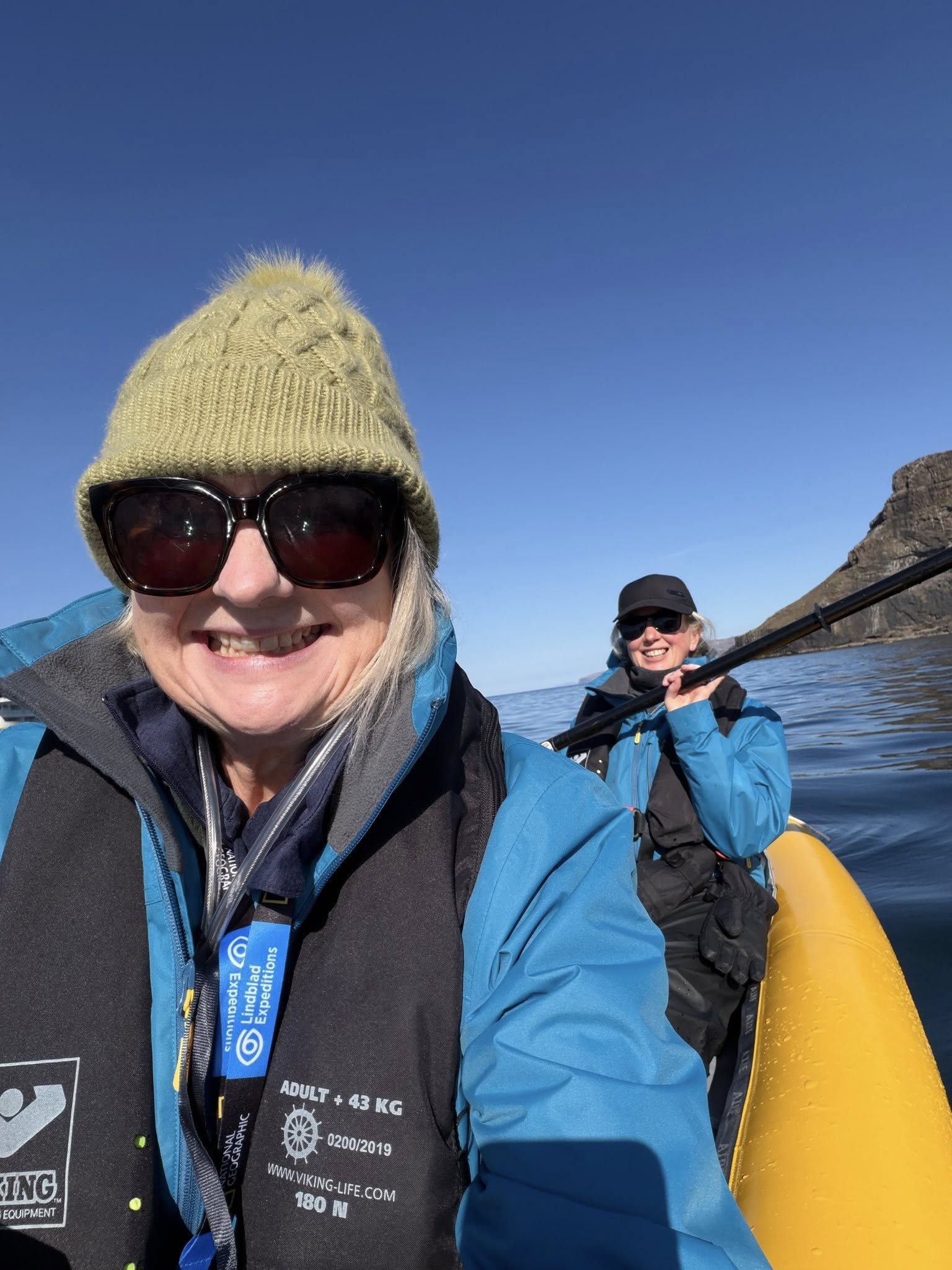
We headed out for an early kayak, and the conditions could not have been better. The sea was completely calm and glassy, the sun was shining, and the whole bay felt peaceful and still, which I am told is quite a rarity in this part of the world. It was a wonderful way to experience Skye from the water and to appreciate the quiet beauty of this rugged coastline.
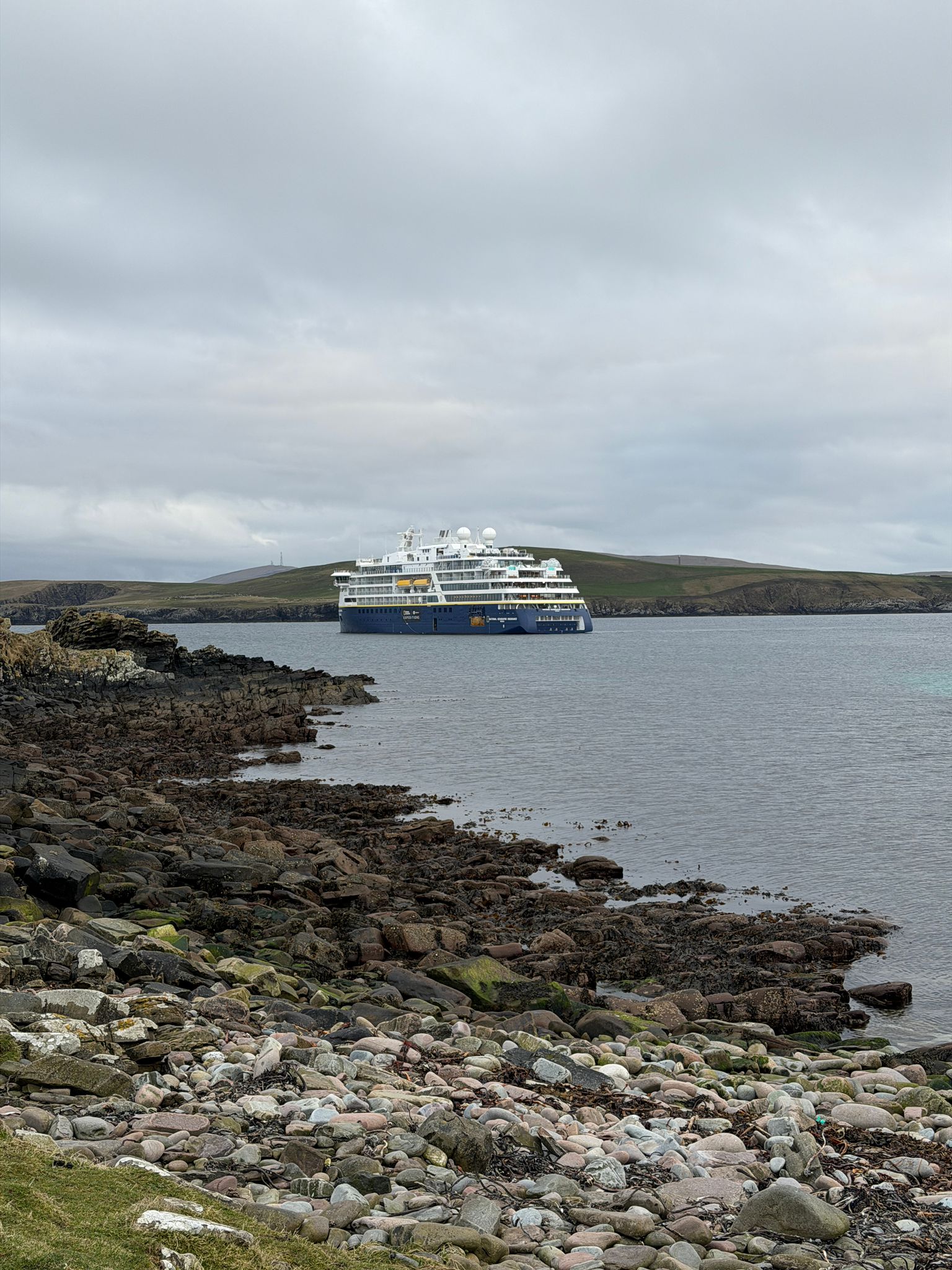
National Geographic-Lindblad Expeditions describes this stage of the voyage as an expedition day along Skye’s coast, exploring the inlets and villages for which the island is so well known, and that felt exactly right. It was another fantastic included excursion aboard *National Geographic Endurance* and a very memorable start to our time in Skye.
As I write, there is still more to come. The next stage of the expedition takes us to Rathlin Island in Northern Ireland, home to its largest puffin colony and thousands of other seabirds including guillemots, razorbills, kittiwakes and fulmars. With dramatic cliffs, panoramic sea views and the remarkable “upside down lighthouse” at Rathlin West Light still ahead, there is every reason to stay tuned for the final chapter of this wonderful journey.
What Makes this Voyage so Special
What impressed me most about this National Geographic-Lindblad Expeditions voyage was the combination of access, knowledge and comfort.
You are taken to places that would be difficult, or certainly far less rewarding, to piece together independently. You benefit from an expert team, thoughtfully planned excursions and the flexibility that true expedition travel allows. Yet at the same time, you return to a beautifully comfortable ship, a well-appointed cabin, excellent food and the reassurance that everything has been arranged for you.
For many of my clients, especially couples who want something enriching and memorable without it feeling arduous, that balance is exactly what they are looking for. This is adventurous travel, certainly, but it is not uncomfortable travel. You can be out on a clifftop path in the morning, visiting a prehistoric site by zodiac in the afternoon, and back on board later enjoying teatime, cocktail hour and dinner.
It is a very lovely way to travel.
Would I Recommend It?
Without hesitation, yes!
I would particularly recommend this voyage to travellers who want to experience Scotland from a different perspective. If you enjoy heritage, wildlife, beautiful landscapes and expertly guided experiences, and you appreciate the ease of unpacking once while remote islands and dramatic coastlines come to you, this itinerary is hard to fault.
It would suit well-travelled couples especially well, particularly those looking for something more distinctive than a conventional cruise but who still expect comfort, quality and careful organisation throughout. It is also a strong option for solo travellers, thanks to the solo cabin category and the naturally sociable feel of expedition travel.
For me, this has been one of those journeys that feels both restorative and stimulating. I have seen beautiful places, learnt a great deal and enjoyed the simple pleasure of travelling well.
If Scotland’s wild isles have ever appealed to you, this is a very special way to experience them. I still have a little more of the journey to enjoy, so stay tuned to hear about the last couple of days of my expedition!
Ready to Find your Perfect Expedition Voyage?
Our expertise in this style of travel is always evolving.
I recently achieved my Expedition Expert qualification with National Geographic-Lindblad Expeditions, so you can be confident you are speaking with someone who truly understands these voyages from the inside.
As an ATOL & ABTA-protected travel agent working with over 400 trusted partners, we have access to exclusive deals and insider knowledge that simply cannot be found elsewhere.
Whatever your travel style, budget or experience level, we will find the right ship and itinerary for you, and support you fully from your very first conversation right through to your return home.
Give us a call on 01902 288104, drop us a message, or book your free, no-obligation cruise planning meeting to get started.

The Tumultuous Trip I Will Never Forget...
After Everything That Happened… Would I Take a Second Transatlantic Cruise?
By Gilly Bachelor
For my 30th birthday in 2000, I planned what I thought would be the trip of a lifetime. Fly to New York on Concorde and return to Southampton on P&O’s elegant Oriana. Pure glamour, neatly packaged adventure, the kind of journey you remember for all the right reasons.
None of it went to plan…
So, I thought it’d share my honest recommendation after a birthday trip that dodged THREE historic disasters.
The Concorde flight was cancelled in the wake of the crash of Air France Flight 4590 in Paris. That alone changed the tone of the trip before it had even properly begun.
Then, weeks later on the return crossing aboard Oriana, the Atlantic reminded us exactly what it can do. In a Force 10 gale, the ship encountered a rogue wave estimated at 40 to 50 feet. Windows were smashed, cabins flooded, and a few passengers were injured by flying glass. The crew stayed calm and in control throughout, and we eventually made it safely back to Southampton, just delayed.
Between those two moments, there was another that has stayed with me ever since…
On 11 September 2000, we had dinner at Windows on the World at the top of the World Trade Center. We looked out over Manhattan, completely unaware of how quickly that skyline would change. A year later, almost to the day, that view was gone. Looking back more than 25 years later, that trip should have put me off ocean cruising completely…
But, it did the opposite.
The Enduring Appeal of a Transatlantic Crossing
Despite everything that happened, the experience didn’t end my lifelong love of ocean cruising, although I haven’t done a transatlantic sailing since. That changes in August.
If you’ve taken a transatlantic cruise, you’ll know there is a unique rhythm to it. The long sea days slow everything down in a way flying simply cannot. You have time to properly rest, read, think, and watch the ocean change.
It feels like travel in its purest form.
There is often a celebratory feel on board as well, which is part of the charm. Once everyone realises there’s nothing to get up early for, people properly switch off, settle in, and just enjoy the experience.
Repositioning and transatlantic cruises remain some of the best value in cruising. You can often enjoy 12 to 16 nights for the price of a much shorter itinerary elsewhere, and modern ships are far better equipped for Atlantic conditions than many people realise. From stabilisers to advanced weather routing, today’s ships are designed to make crossings far more comfortable than in the past.
At the top end, Cunard’s Queen Mary 2 remains the benchmark for a true ocean crossing. For a closer look at how she handles the Atlantic, Thinking Nomads provide an excellent infographic on the ship. Lines such as Celebrity, Princess, and Royal Caribbean also offer excellent repositioning voyages with strong onboard facilities.
Now, a Reality Check
The Atlantic is not the Caribbean. It can be rough, particularly on northern routes in spring and autumn.
My experience with a rogue wave was rare, but it left me with a lasting respect for the ocean and the importance of choosing the right sailing.
Southern routes via the Azores, Bermuda, or the Canary Islands are usually far calmer and often a better introduction for first-time transatlantic cruisers.
I’m Going Back…
I am heading back across the Atlantic again later this year, but this time it is a very different experience.
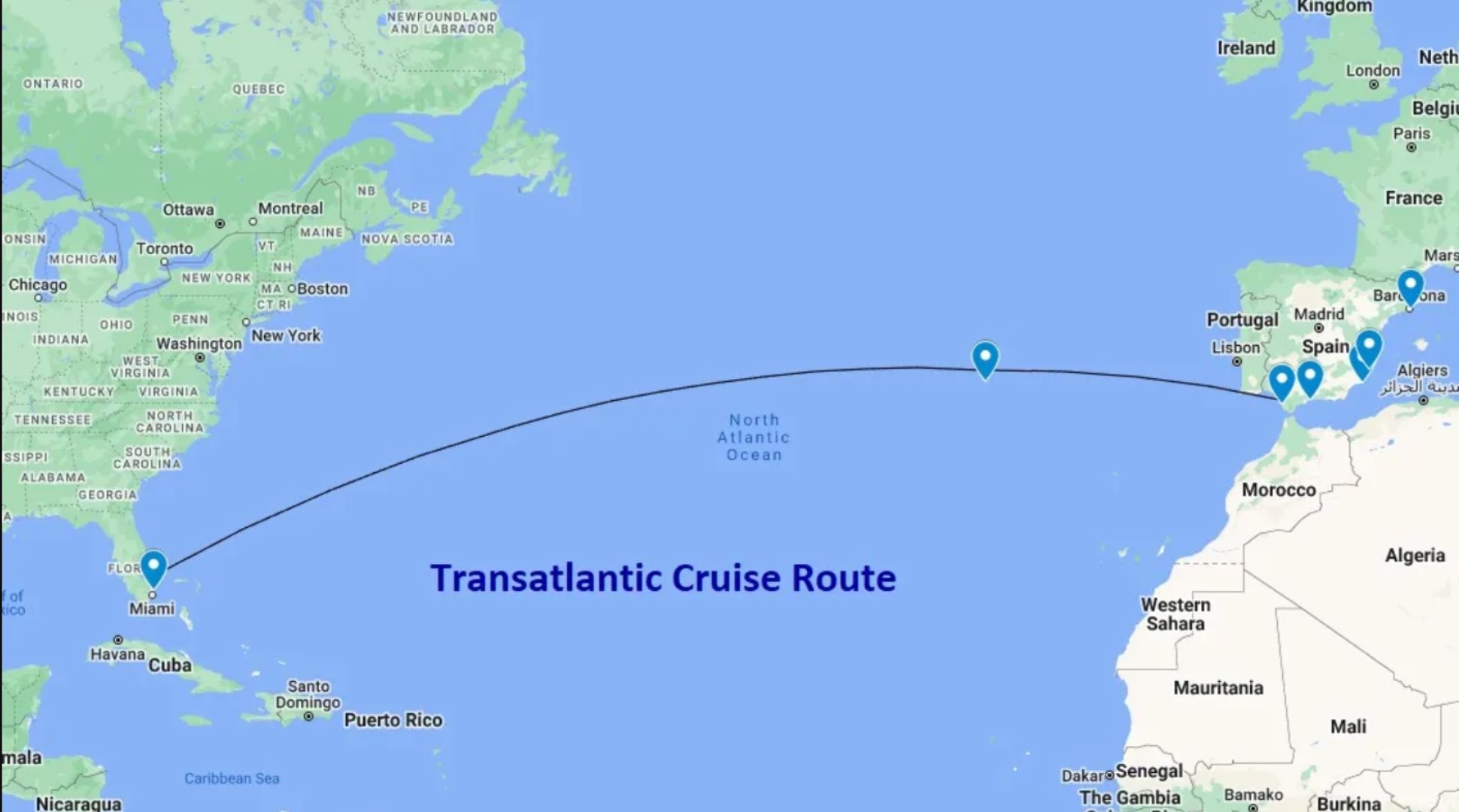
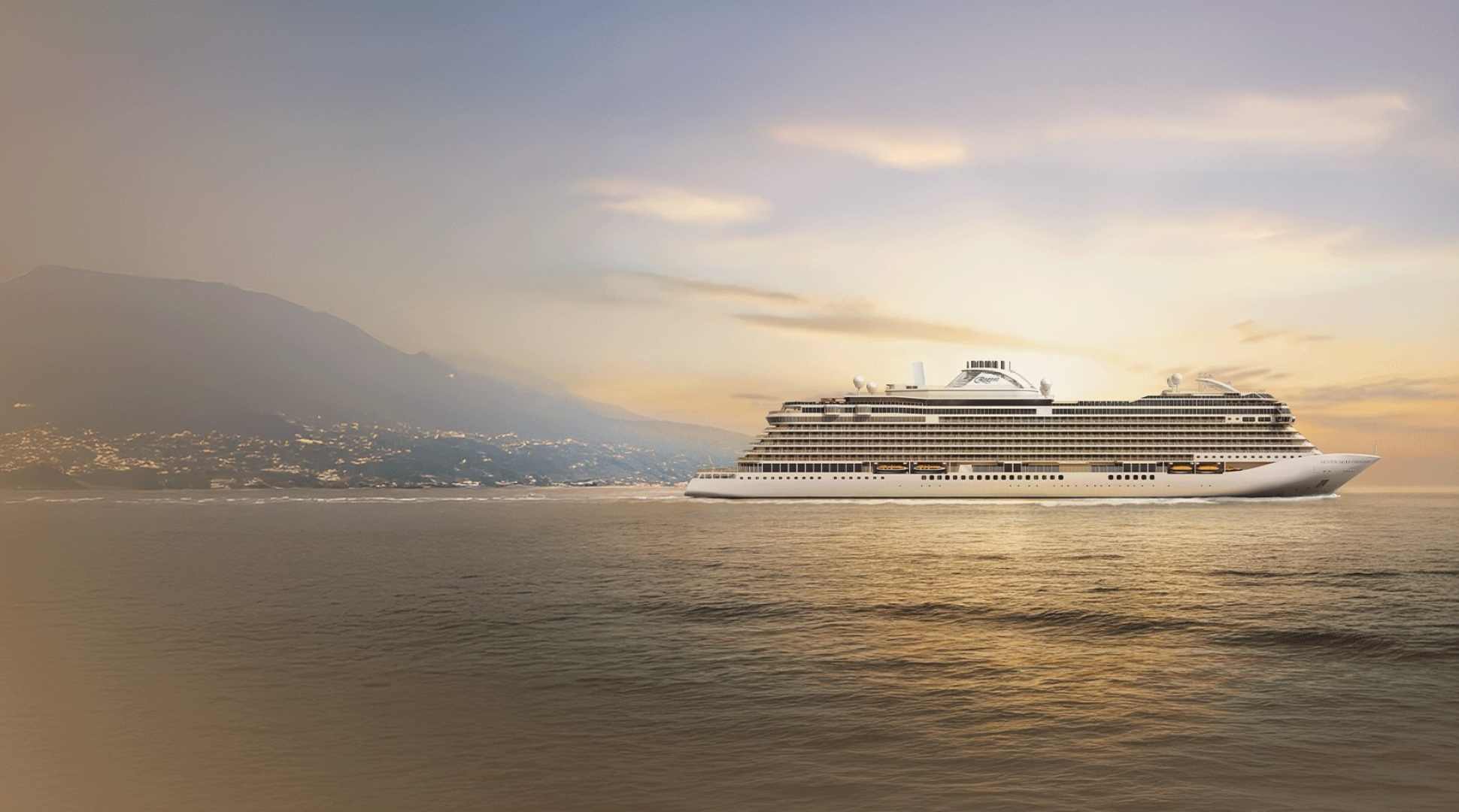
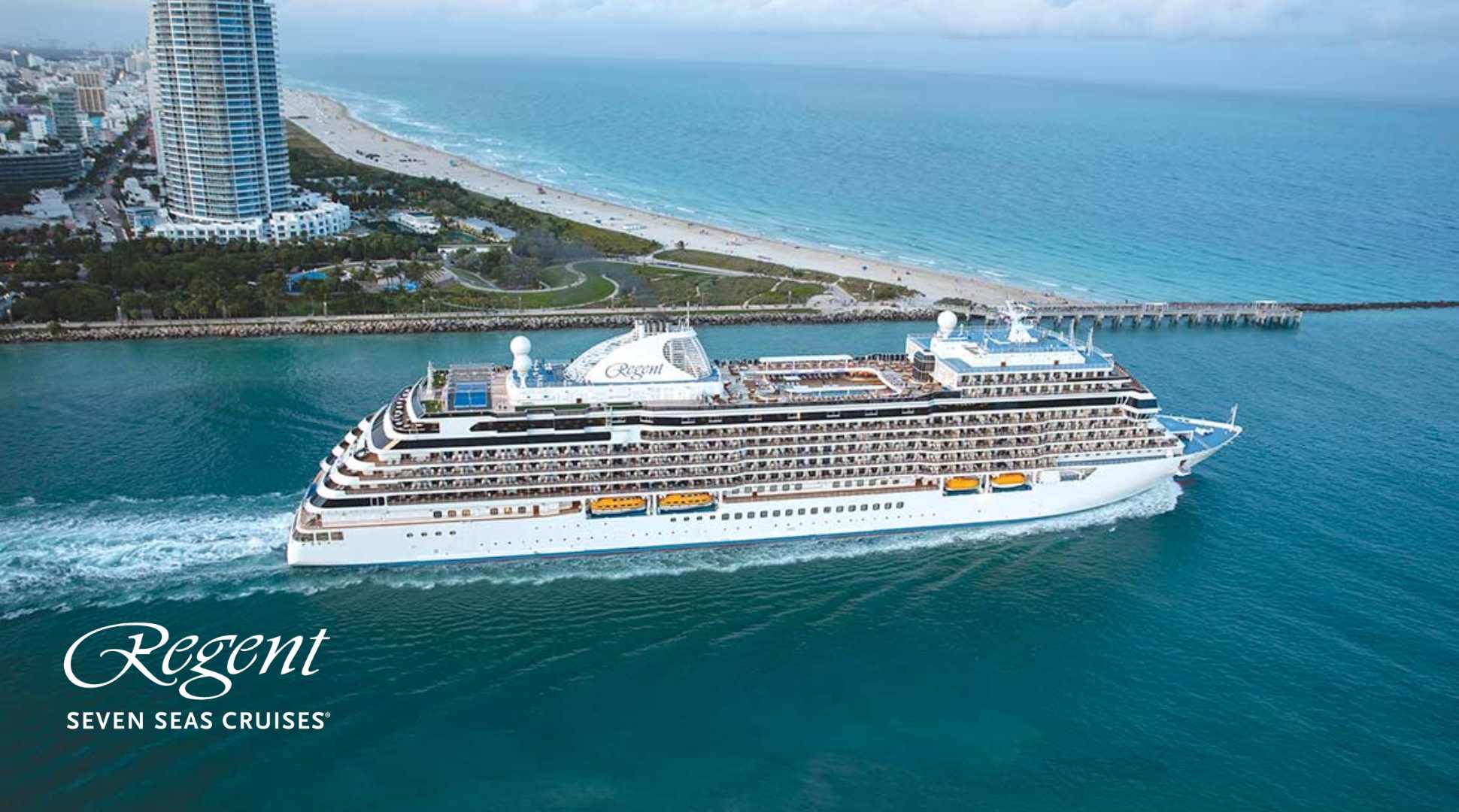
Instead of the classic New York to Southampton sailing I’ve done before, with seven uninterrupted sea days, I’m sailing from Lisbon to New York aboard Regent Seven Seas Splendor on 23 August 2026.
What makes this itinerary so special is that it is not just a crossing. Rather than simply sailing straight across the Atlantic, this voyage breaks the journey up with an incredible series of ports, including the Azores, before continuing to Atlantic Canada, New England, and finally New York. You can view the full itinerary here.
…But This Time It’s Different
On that original crossing aboard Oriana, life onboard was much simpler. There was essentially one main restaurant, fixed dining times, and a structured daily routine.
This time, sailing on Regent Seven Seas Splendor, the difference will be remarkable.
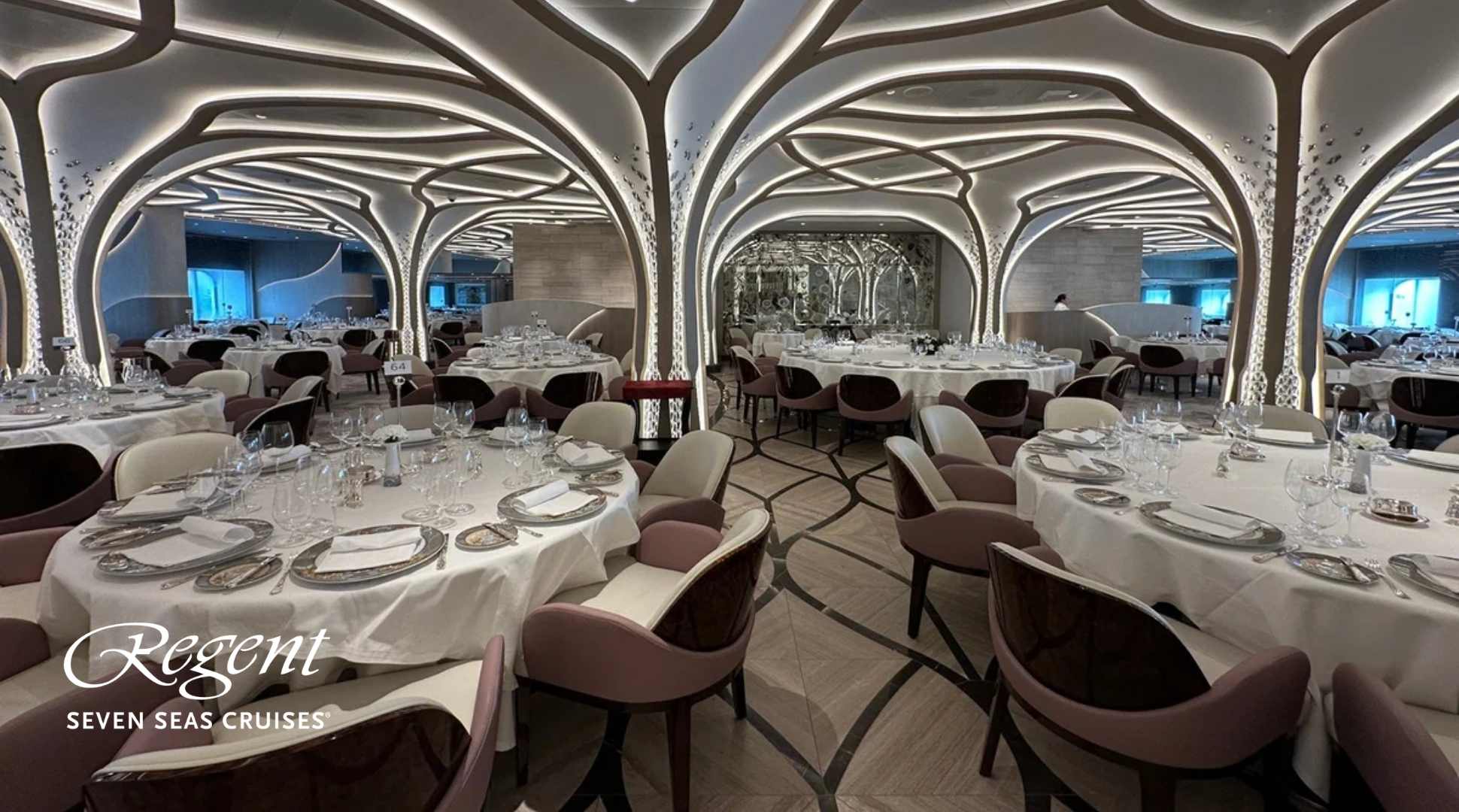
There will be multiple dining venues, all with open dining, so you can eat when and where you choose. Add to that a wide choice of lounges, a full spa, enrichment lectures, and far more flexibility in how you spend your time. It really highlights how cruising has evolved.
From a structured, one-size-fits-all experience to something far more personal, spacious, and relaxed. It still has the essence of a true transatlantic crossing, but with added depth along the way.
More time in destinations, more variety, and a different way of experiencing the Atlantic itself.
My Honest 2026 Recommendation
Would I still recommend a transatlantic cruise? Yes, but only if you go into it with the right expectations.
Choose transatlantic cruising if you enjoy sea days and are happy with a slower pace of travel, and be selective about your ship and routing.
I would always lean toward Queen Mary 2 for a classic crossing, or a well-planned southern or hybrid itinerary like my upcoming Regent voyage.
I would not recommend it if you struggle with seasickness or dislike long stretches without ports.
However, there is still plenty to enjoy onboard, from fitness classes and lectures to quizzes and entertainment. There is something deeply special about arriving in Europe or America by sea after days on the Atlantic.
It is slower, more reflective, and far more memorable than most modern travel.
That birthday trip in 2000, with its cancelled Concorde, a rogue wave, and a dinner high above New York that now feels frozen in time, could easily have ended my love of cruising. Instead, it gave me something else entirely: respect for the ocean, admiration for the crews who cross it every year, and a lasting belief that the journey is often just as important as the destination.
If you are considering a transatlantic cruise, get in touch and let’s have a chat! Give us a call on 01902 288104, send us a message, or book a free, no-obligation cruise planning meeting today.
British Isles Expedition Cruises
Exploring Closer to Home: British Isles Wildlife, History and Small-Ship Adventures
When people think of expedition cruising, they often picture Antarctica, the Arctic or the Galápagos. Those places are incredible, truly once-in-a-lifetime journeys. But they also come with long flights, jet lag, higher costs and a much larger carbon footprint.
What many people don’t always realise is that one of the most rewarding expedition experiences is actually much closer to home.
The British Isles offer everything you would hope for in an expedition voyage, right on our doorstep. You still get the sense of adventure, the small ships, the expert guides, Zodiac landings and ever-changing itineraries.
The difference is you don’t need to travel halfway around the world to experience it.
Unrivalled Wild Landscapes
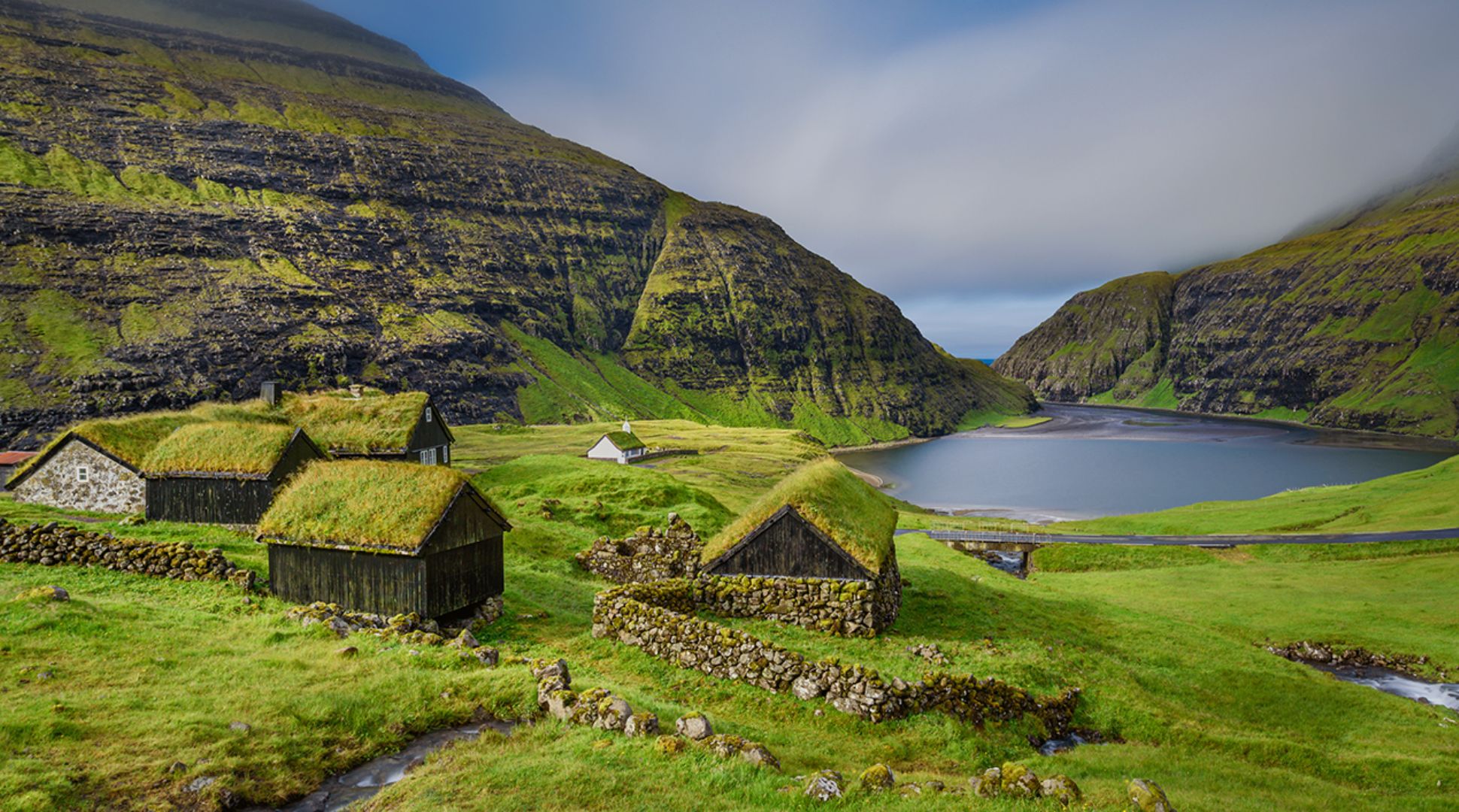
The coastline around the British Isles is some of the most dramatic in Europe. From the cliffs and sea stacks of the Hebrides to the remote beauty of Shetland and Orkney, this is a landscape shaped by wind, sea and time.
There are volcanic formations like the Giant’s Causeway, sweeping moorlands, hidden sea lochs and white-sand beaches in the Outer Hebrides that can look almost tropical on a good day.
One of the joys of expedition cruising here is access. These small ships can slip into narrow channels, anchor in quiet bays and reach islands that feel completely untouched.
Unexpected Wildlife Moments
The wildlife in the British Isles is one of its best-kept secrets.
In spring and summer, cliffs come alive with puffins, gannets, guillemots and razorbills. Grey seals and common seals are often spotted hauled out on rocks, while dolphins and porpoises regularly appear alongside the ship. On lucky days, minke whales, orcas and even basking sharks make an appearance.
Zodiac excursions bring you closer to these moments in a very natural way, always guided by experts who help you understand what you are seeing as you go.
A Deep Sense of History
Every landing tells a story here.
You might walk among Neolithic standing stones in Orkney that are older than the pyramids, explore Viking heritage in Shetland, or visit early Christian sites on Iona.
On other days, it might be whisky tastings, local music or simply chatting with people who live in these remote communities.It is this mix of nature and culture that makes the British Isles feel so rich and layered.
What Expedition Cruising Feels Like
True expedition cruising is very different from traditional cruising.
The ships are smaller, usually carrying between 50 and 200 guests, which creates a much more personal atmosphere. Operators such as Lindblad Expeditions, HX Hurtigruten Expeditions, Ponant and Aurora Expeditions all run voyages in this style.
Days are shaped by the environment rather than a fixed schedule. That might mean Zodiac landings, guided walks, kayaking, or time spent at sea watching for wildlife. It is flexible, immersive travel with expert naturalists, historians and photographers on board who bring every destination to life.
No two days are ever the same.
If you’re interested in exploring a little closer to home, why not get in touch to start planning your British Isles expedition cruise adventure!
Expedition Cruising, Without Leaving Home
You really don’t need to travel to the ends of the earth to have a genuine expedition experience.
The British Isles offer wild beauty, incredible wildlife and deep history, all wrapped into small-ship voyages that feel adventurous, personal and surprisingly close to home.
For anyone new to expedition cruising, or even seasoned travellers looking for something different, this is one of the easiest and most rewarding places to start.
Sometimes the most extraordinary journeys are the ones happening right on your doorstep.
Explore Expedition Voyages in the British Isles
We work with all the leading expedition cruise lines and have handpicked some of our top recommendations to help you explore what’s possible.
Cruise lines such as Lindblad Expeditions, HX Hurtigruten Expeditions and Aurora Expeditions are dedicated expedition operators. This is all they do, and they do it exceptionally well, focusing entirely on exploration, wildlife and immersive travel experiences.
Alongside these, luxury ocean cruise lines such as Silversea Cruises and Seabourn Cruise Line have invested in purpose-built expedition ships, combining ultra-luxury with strong expedition credentials, expert teams and outstanding onboard comfort.
We know the differences inside out, and we can match you with the right ship, style and itinerary based on how you like to travel.
If this style of travel appeals, here are some of the standout expedition and small-ship voyages currently available for 2026 and 2027.
Scotland’s Wild Isles: Shetlands, Orkneys and Inner Hebrides
Join National Geographic-Lindblad Expeditions on this active 8-day voyage from the Isle of Skye to remote Shetland and Orkney, exploring Viking ruins, medieval castles, and dramatic landscapes by Zodiac and on foot, with expert naturalists and local guides leading the way.
From £6,192 / per person
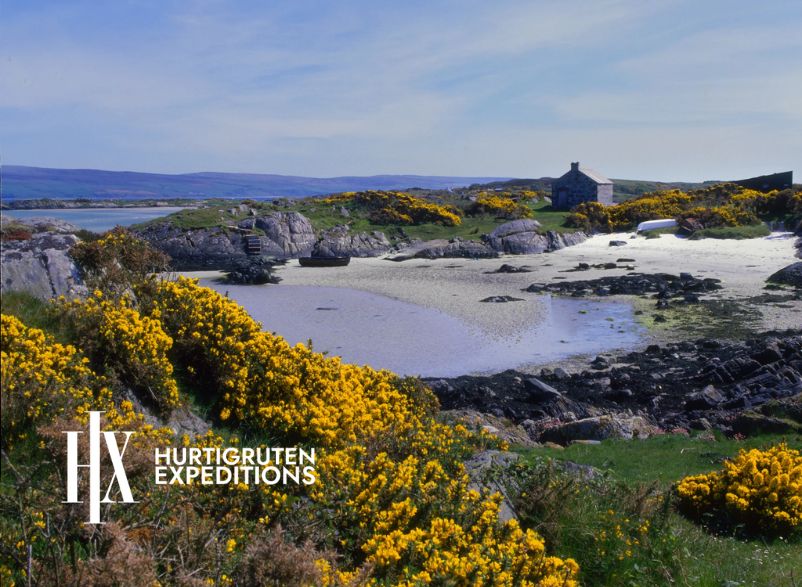
The Scottish Isles: Island Hopping in the Hebrides
Sail with HX Expeditions on this 11-day island-hopping voyage from Glasgow through the rugged Hebrides, discovering remote wildlife-rich islands like Islay, Mull, Staffa, and Iona by small boat, sea kayak, and guided hike, while uncovering Scotland’s rich cultural heritage.
From £4,170 / per person
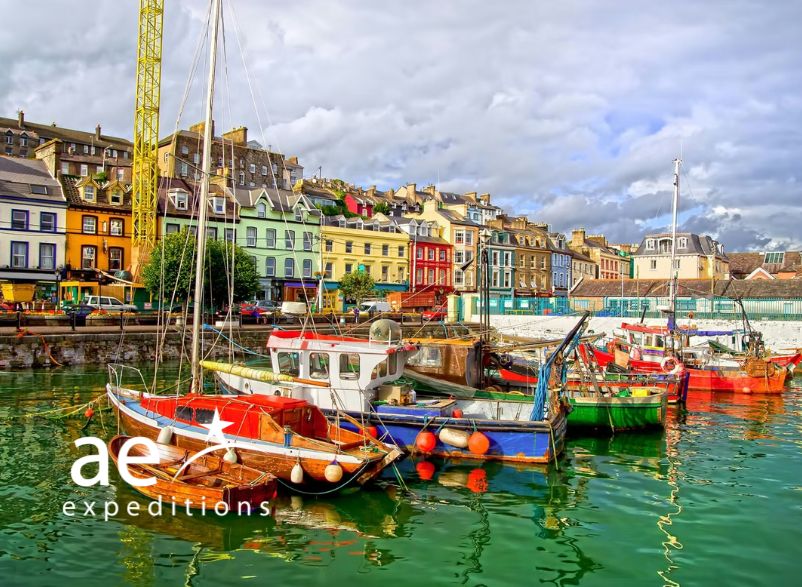
Ireland: The Luck of the Irish
Set sail with Aurora Expeditions along Ireland’s wild, rugged coastline, spending 11 days uncovering coastal gems and inland treasures as you explore ancient cliffs, castles, and charming backstreets in search of the saints, myths, and warm-hearted locals that make Ireland truly unique.
From £8,396 / per person
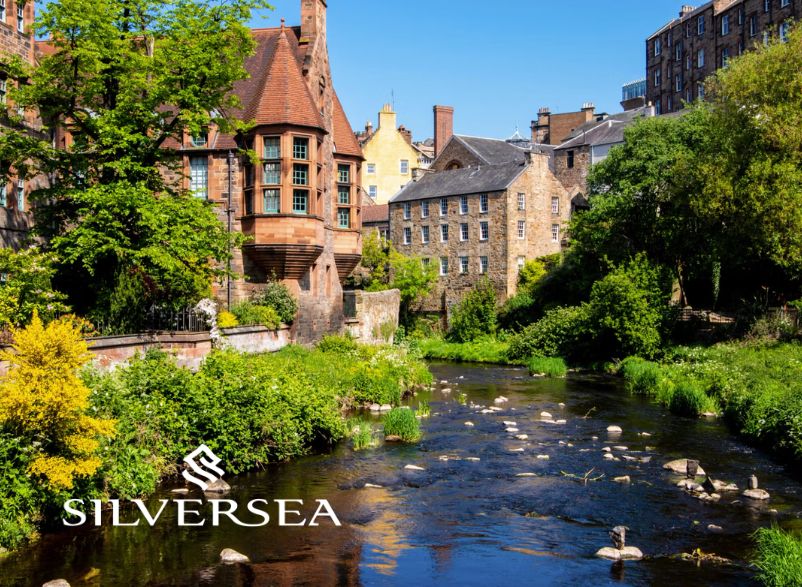
Dublin to Edinburgh: Celts, Vikings and Scotland’s Edge
Embark on an 11-day, all-inclusive, ultra-luxury voyage with Silversea from Dublin to the remote Scottish isles, discovering UNESCO-listed St. Kilda, the Faroe Islands’ monumental cliffs, and spellbinding Celtic and Norse heritage, before concluding with an overnight in Edinburgh, Leith.
From £7,700 / per person
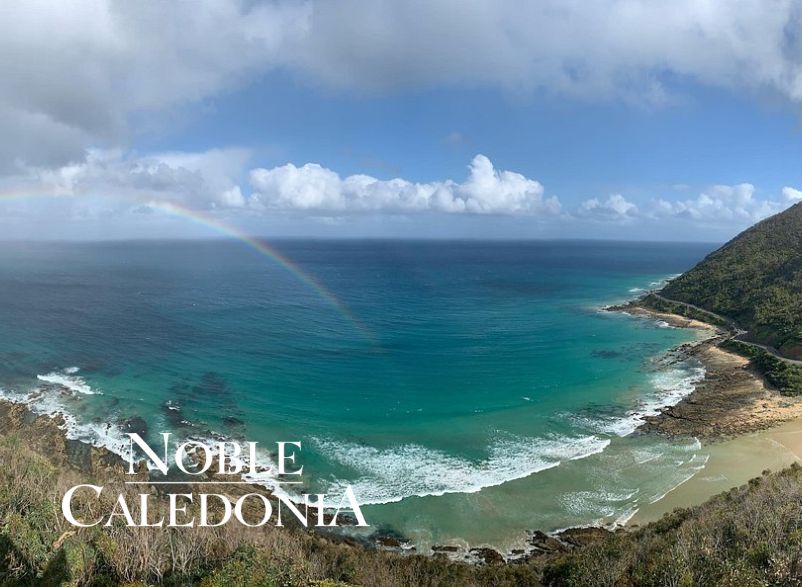
Enchanted Isles: Shores of a Thousand Stories
Sail with Noble Caledonia on this luxury 13-day voyage from Portsmouth to Aberdeen, discovering hidden gems from the Viking castles of the Isle of Man to the seabird-laden cliffs of St Kilda, Orkney, and Shetland, with ancient ruins, sacred shores, and remote island communities at every turn.
From £7,295 / per person
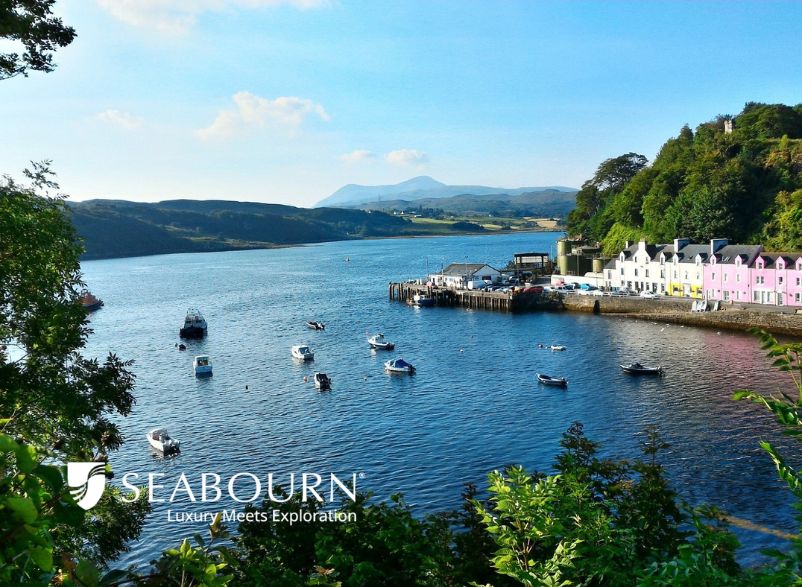
Wild British Isles Expedition
Embark on a 12-day ultra-luxury, all-inclusive expedition with Seabourn through the wild British Isles, exploring historic castles, UNESCO sites, and boutique ports off the beaten path, while seeking iconic wildlife, touring whiskey distilleries, and lingering longer with extended overnight stays in marquee destinations.
From £9,699 / per person
Ready to Find your Perfect Expedition Voyage?
Our expertise in this style of travel is always evolving.
Gilly recently achieved her Expedition Expert qualification with National Geographic-Lindblad Expeditions, so you can be confident you are speaking with someone who truly understands these voyages from the inside.
As an ATOL & ABTA-protected travel agent working with over 400 trusted partners, we have access to exclusive deals and insider knowledge that simply cannot be found elsewhere.
Whatever your travel style, budget or experience level, we will find the right ship and itinerary for you, and support you fully from your very first conversation right through to your return home.
Give us a call on 01902 288104, drop us a message, or book your free, no-obligation cruise planning meeting to get started.
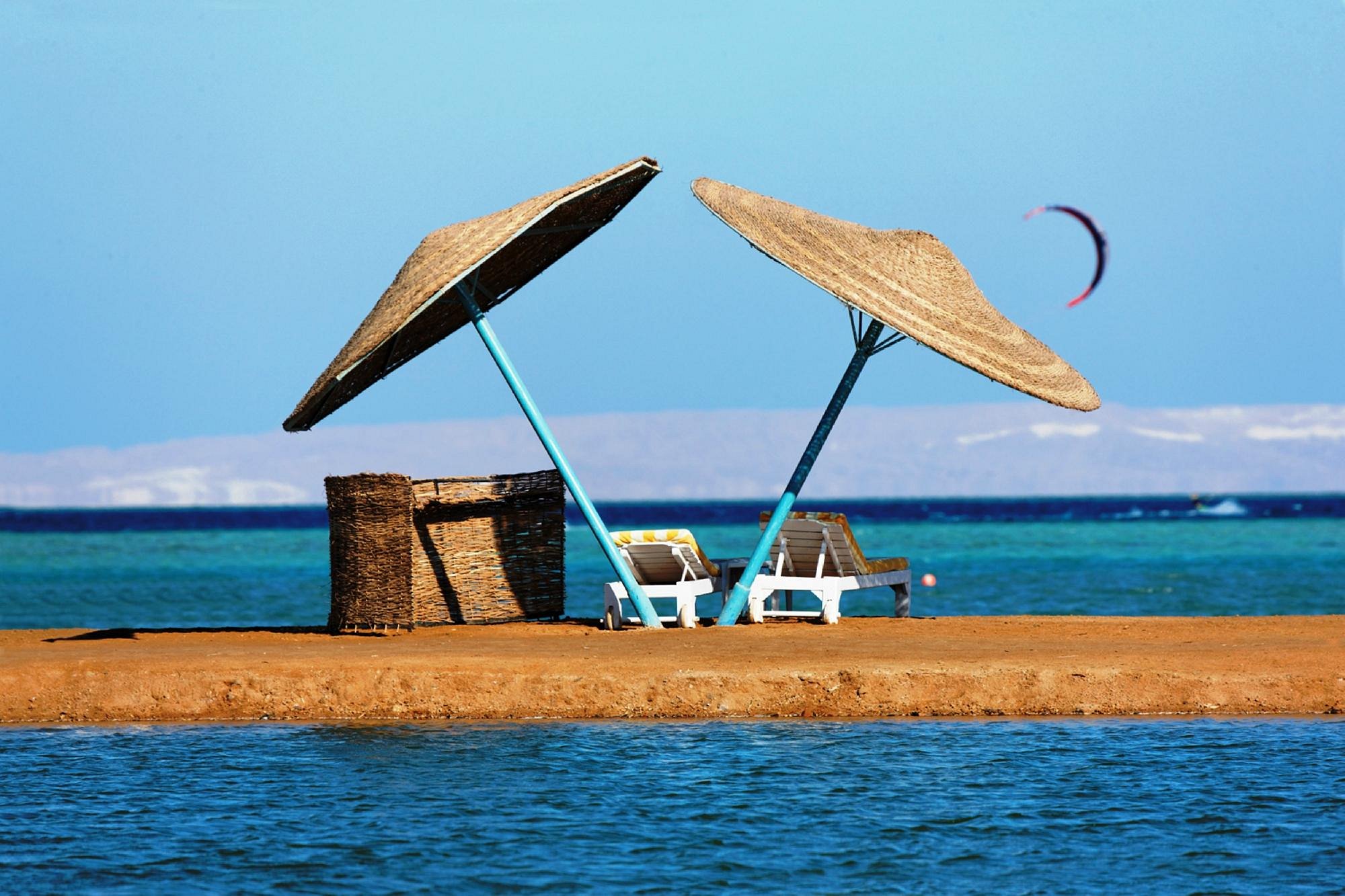
Time To Rethink Egypt?
El Gouna & Hurghada deliver sunshine, style and serious value.
For many, winter sun and Easter beach breaks have long meant heading to the Middle East favourites like Dubai and Abu Dhabi, or the reliable Canary Islands: Tenerife, Gran Canaria, and Lanzarote. But with travel to parts of the Middle East currently off limits for many clients due to ongoing tensions, people are actively seeking alternatives that still deliver reliable sunshine, style, adventure, and excellent value, without the usual crowds or resort routine.
That’s where El Gouna and Hurghada on Egypt’s Red Sea coast come in.
“We’re seeing a real resurgence in interest for travel to these destinations this month. So, if you’ve previously ruled Egypt out, I’d strongly encourage you to think again. Many of our clients are now choosing these destinations as standalone beach escapes, while others are pairing them with a broader Egyptian journey that includes Cairo and Luxor, blending modern relaxation by the sea with ancient historical wonders.”
Gilly Bachelor
A Unique Winter Sun Setting And A Smart Alternative
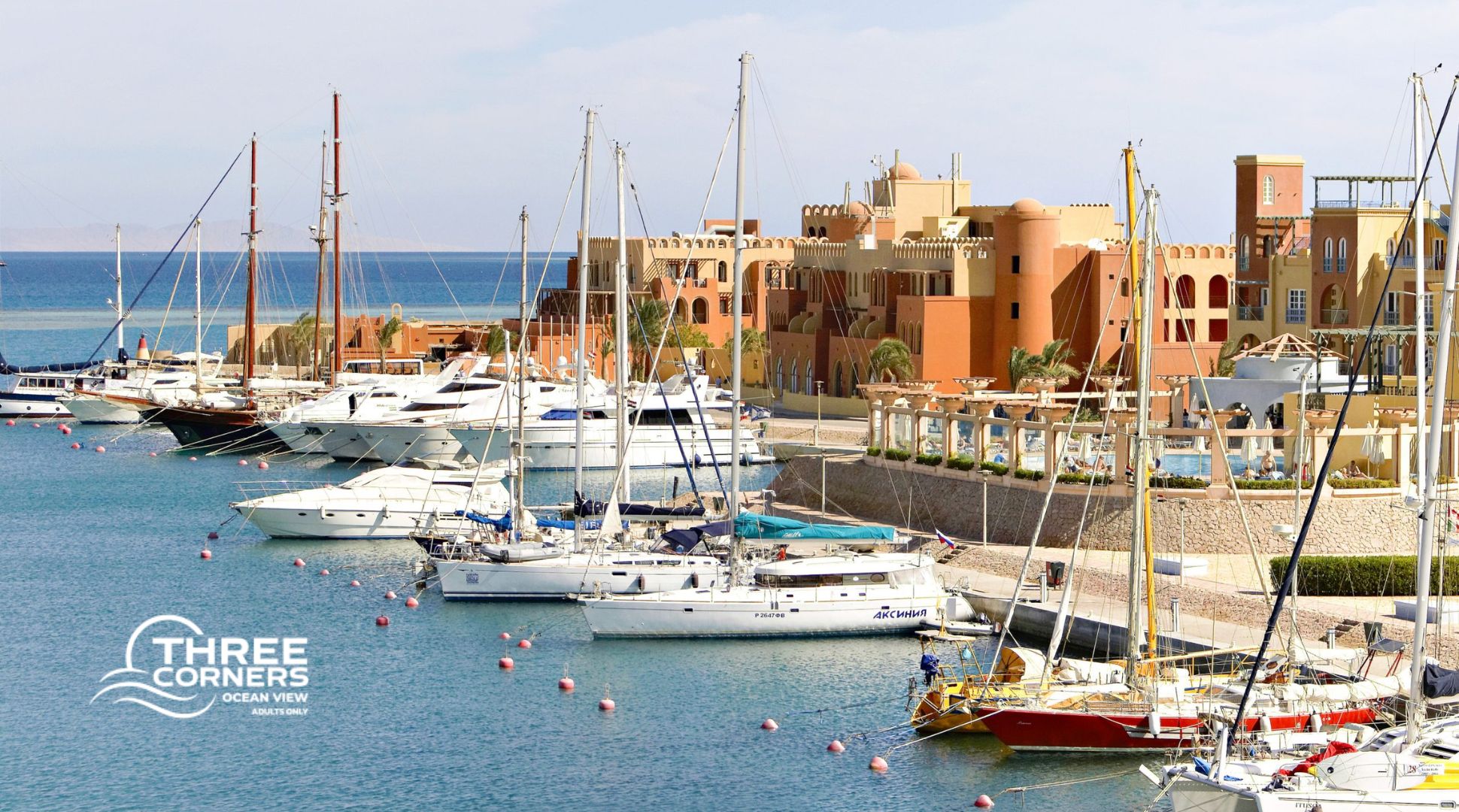
El Gouna is often called the “Venice of the Red Sea” for good reason. This purpose-built resort town spreads across interlinked islands connected by sparkling lagoons, golden beaches, and vibrant coral reefs just offshore. As a gated, well-managed community, it offers a peaceful, exclusive atmosphere with minimal hassle. You can explore the marina, beaches, and town centre via electric tuk-tuks or water taxis in complete safety and comfort.
It’s proving to be an excellent alternative to Dubai and Abu Dhabi right now, delivering that same winter sun reliability and upscale resort feel, but with the added bonus of world-class Red Sea snorkelling and diving.
Nearby Hurghada adds even more choice, it offers a slightly more vibrant, larger-scale resort experience with direct access to the open Red Sea, bigger aqua parks, lively entertainment, and easy boat trips to the Giftun Islands for superb snorkelling and diving. Sharm El Sheikh (a little further south) also provides excellent family options with some of the region’s most impressive aqua parks.
Sunshine You Can Count On
While the UK shivers, El Gouna and Hurghada offer dependable warmth and very low rainfall:
- November: highs around 26–28°C, sea ~25°C
- December: highs around 24°C, sea ~23°C
- January: highs around 22°C, sea ~22°C
- February: highs around 23°C, sea ~22°C
- March: highs around 25°C, sea ~23°C
The sea stays invitingly warm for swimming, snorkelling, and water sports right through Easter. Perfect for hassle-free beach holidays when other destinations feel uncertain.
Great Value For Money
One of the biggest advantages is the outstanding value compared to traditional winter sun spots. A week’s all-inclusive holiday here for a couple or family is frequently 30-50% less expensive than comparable packages in Dubai/Abu Dhabi or the Canary Islands, while often offering more generous inclusions.
Something For Everyone With Excellent All-Inclusive Options
El Gouna balances relaxation and activity beautifully. Families enjoy the calm, shallow lagoons ideal for young children, plus kids’ clubs and pools. Couples love the romantic marina dining, beach clubs, and serene atmosphere.
A big draw at the moment is the strong range of true all-inclusive packages across both areas, which keep things simple and great value for clients wanting worry-free beach breaks.
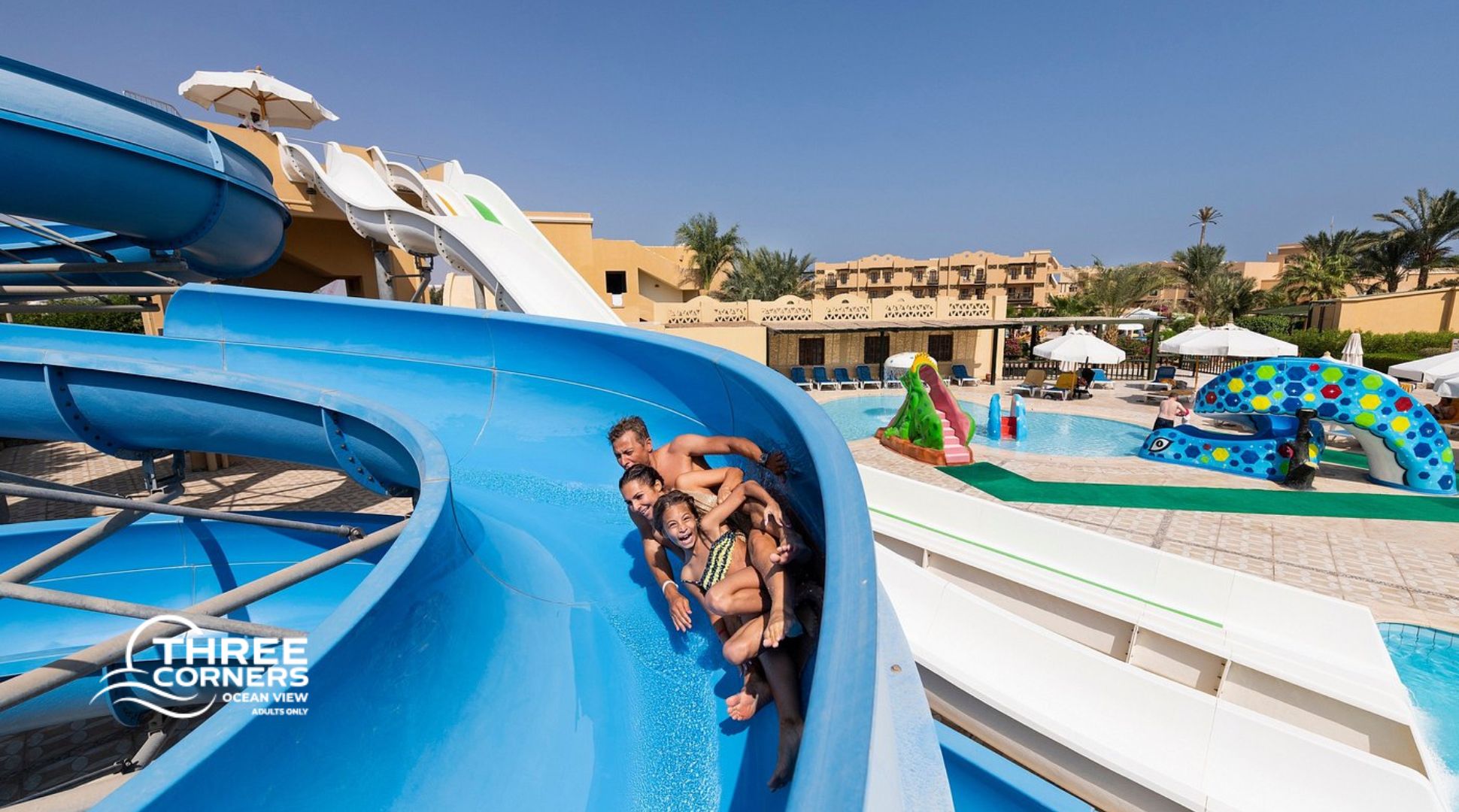
In Hurghada and Sharm El Sheikh, families particularly love the aqua park hotels, which deliver non-stop fun with extensive water slides, wave pools, lazy rivers, and multiple pools; all included in the all-inclusive rate.
Sharm El Sheikh has seen some impressive developments recently, with resorts like the Rixos Premium Seagate (and its dedicated Family Seagate Aqua section) standing out for their large, thrilling aqua parks featuring dozens of slides, towers, and family-friendly zones.
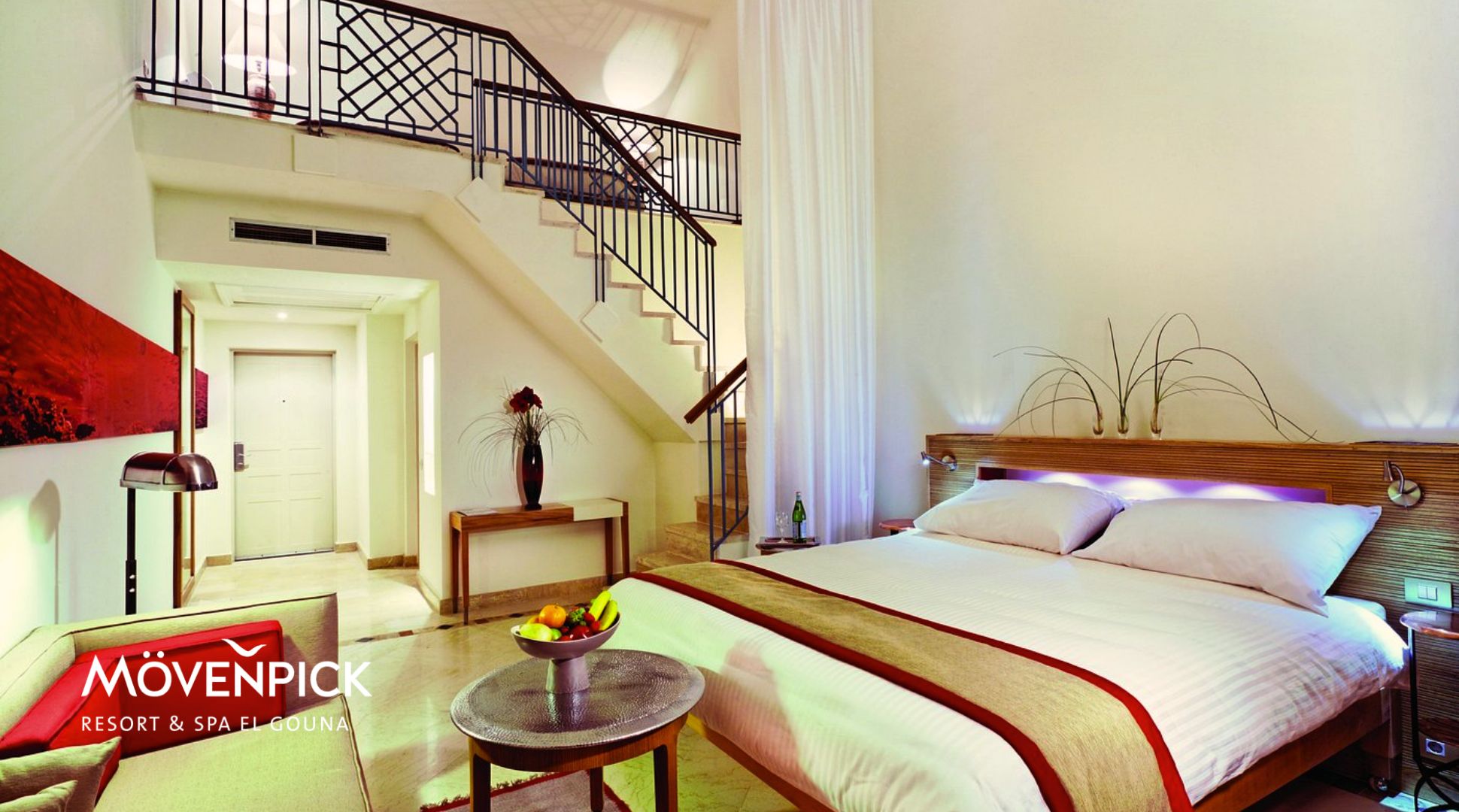
These resorts also excel with their spacious room setups, including large family rooms (often with separate sleeping areas) and affordable two-bedroom suites or family bungalows that comfortably sleep 4–6 people, complete with extra living space, balconies or terraces, and added privacy. This makes them ideal for bigger families or multi-generational trips without breaking the bank.
We particularly rate the Rixos, JAZ, and Steigenberger hotel brands. All three have multiple excellent properties across the Red Sea coast, so we can recommend the one that best matches your brief, whether you’re after family fun, luxury, or a more relaxed vibe.
A nice recent addition for extended families travelling together is the Steigenberger Pure Lifestyle (Adults Only) in Hurghada. This stylish, all-suites boutique hotel is connected to the larger Steigenberger ALDAU Beach resort, allowing grandparents seeking a bit of sanctuary to enjoy a peaceful, adults-only atmosphere while still having easy access to the family hotel’s pools, beach, restaurants, and facilities.
Hotels & Dining
El Gouna has around 18 hotels ranging from boutique luxury to large family resorts. Here are some current standout options:
Luxury Highlight:
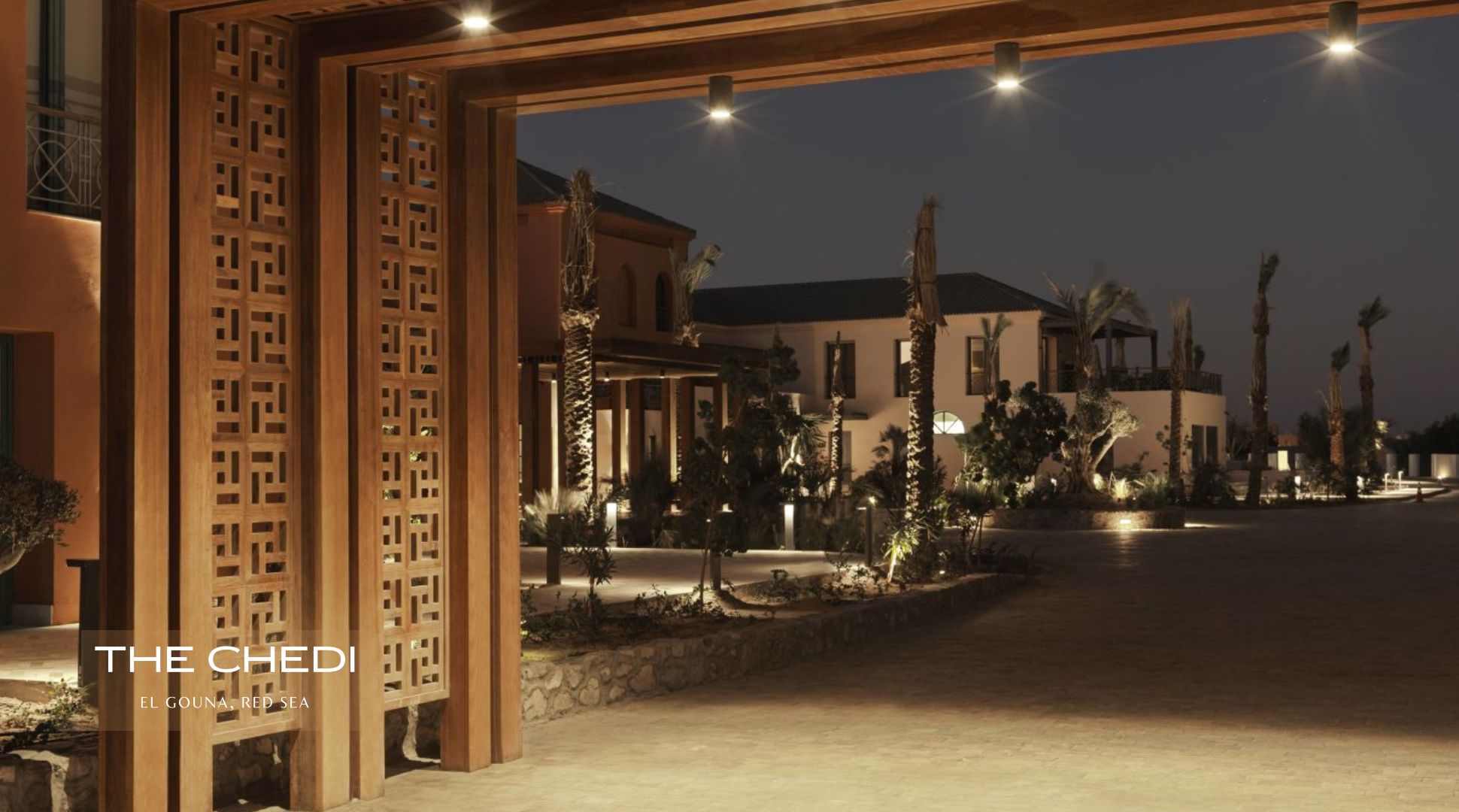
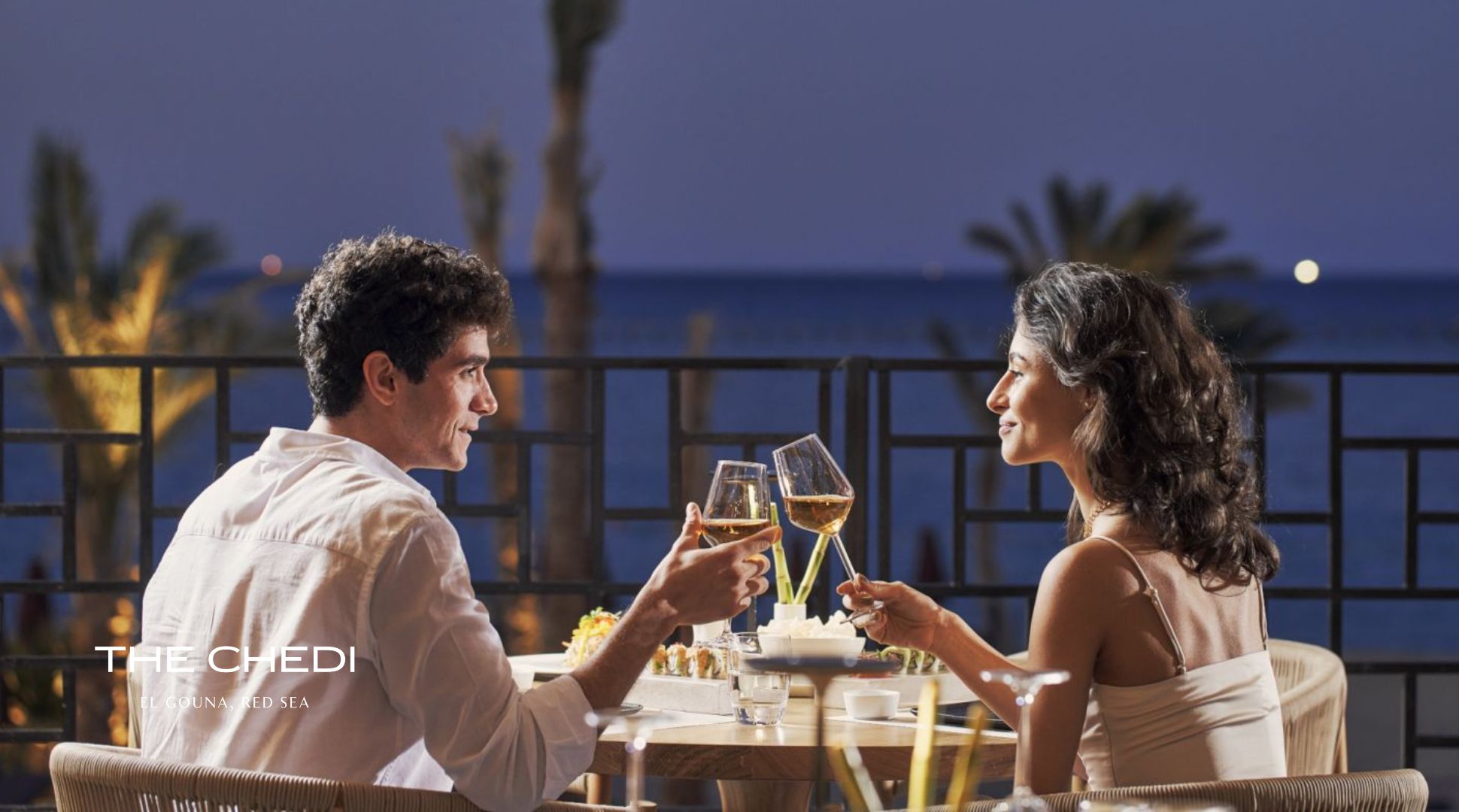
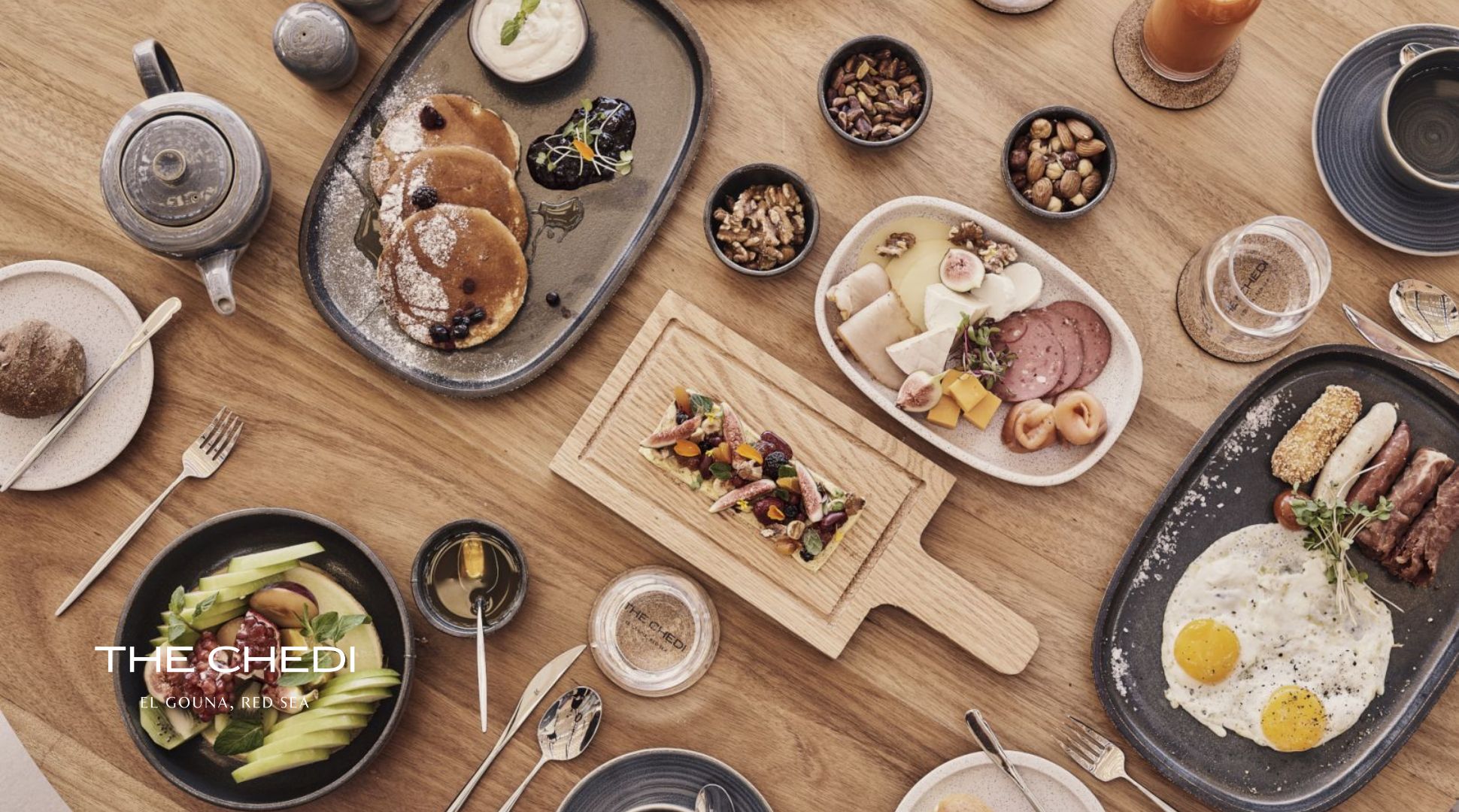
- The Chedi El Gouna — A stunning, high-end resort with beautiful Asian-inspired design, private beach, sublime pools, and impeccable service. While it focuses on à la carte dining and flexible meal plans (breakfast or seasonal half-board), many clients love combining it with the town’s excellent marina restaurants for a refined, customised stay.
Adults-Only Favourites:
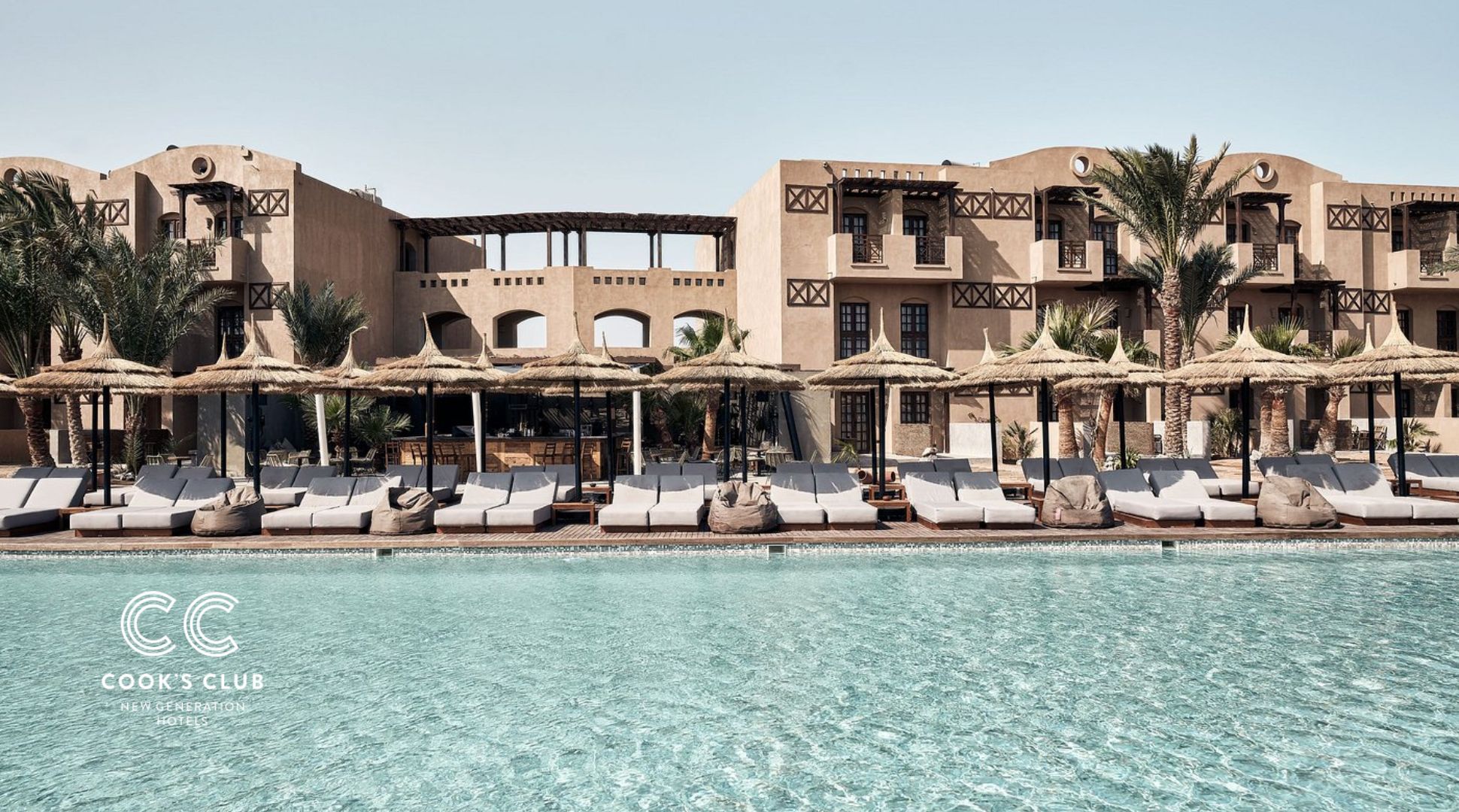
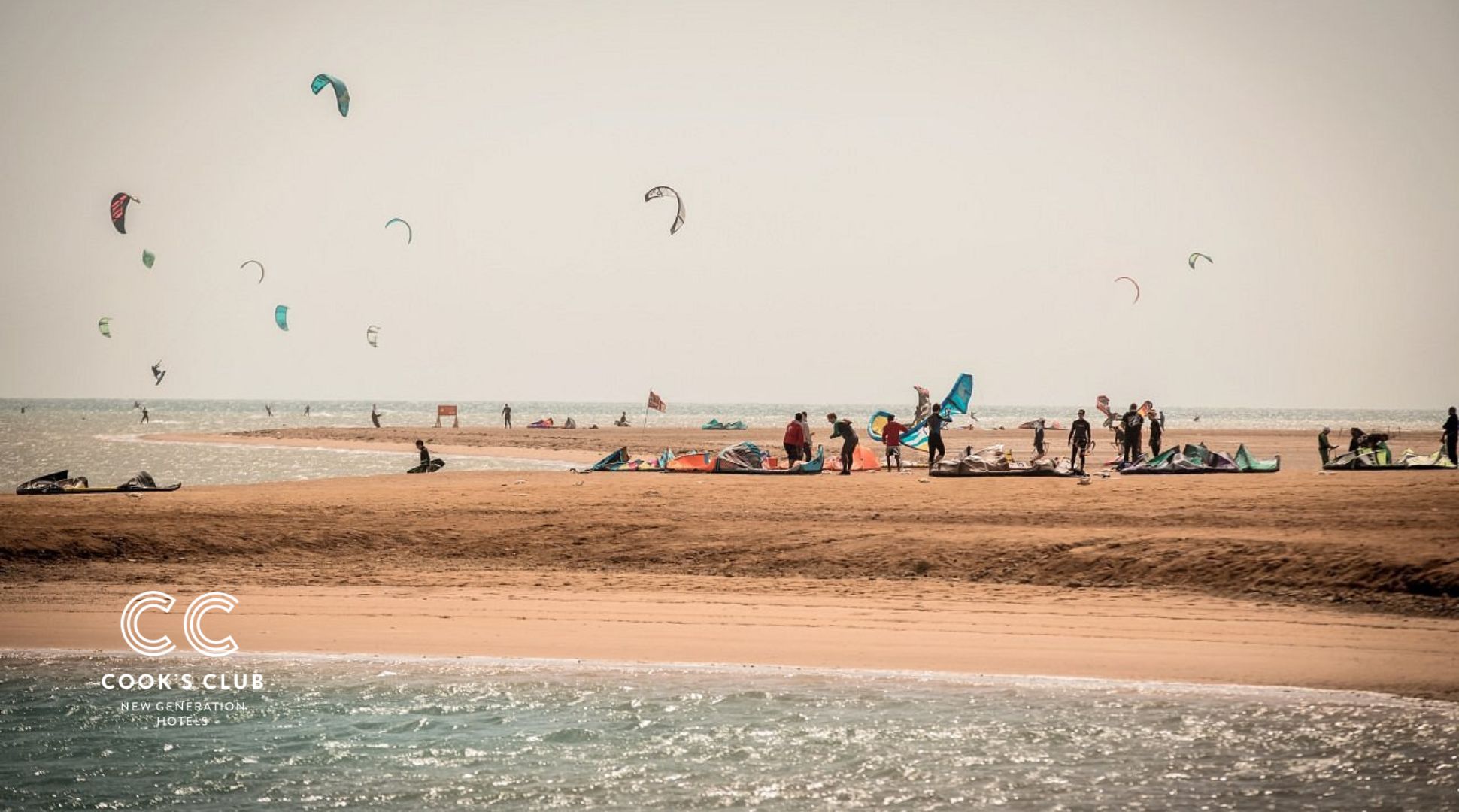
- Cook’s Club El Gouna — Modern, vibrant beach and lagoon club with its own private beach and jetty. Lively yet chic, with great food, drinks, and atmosphere. Ideal for couples.
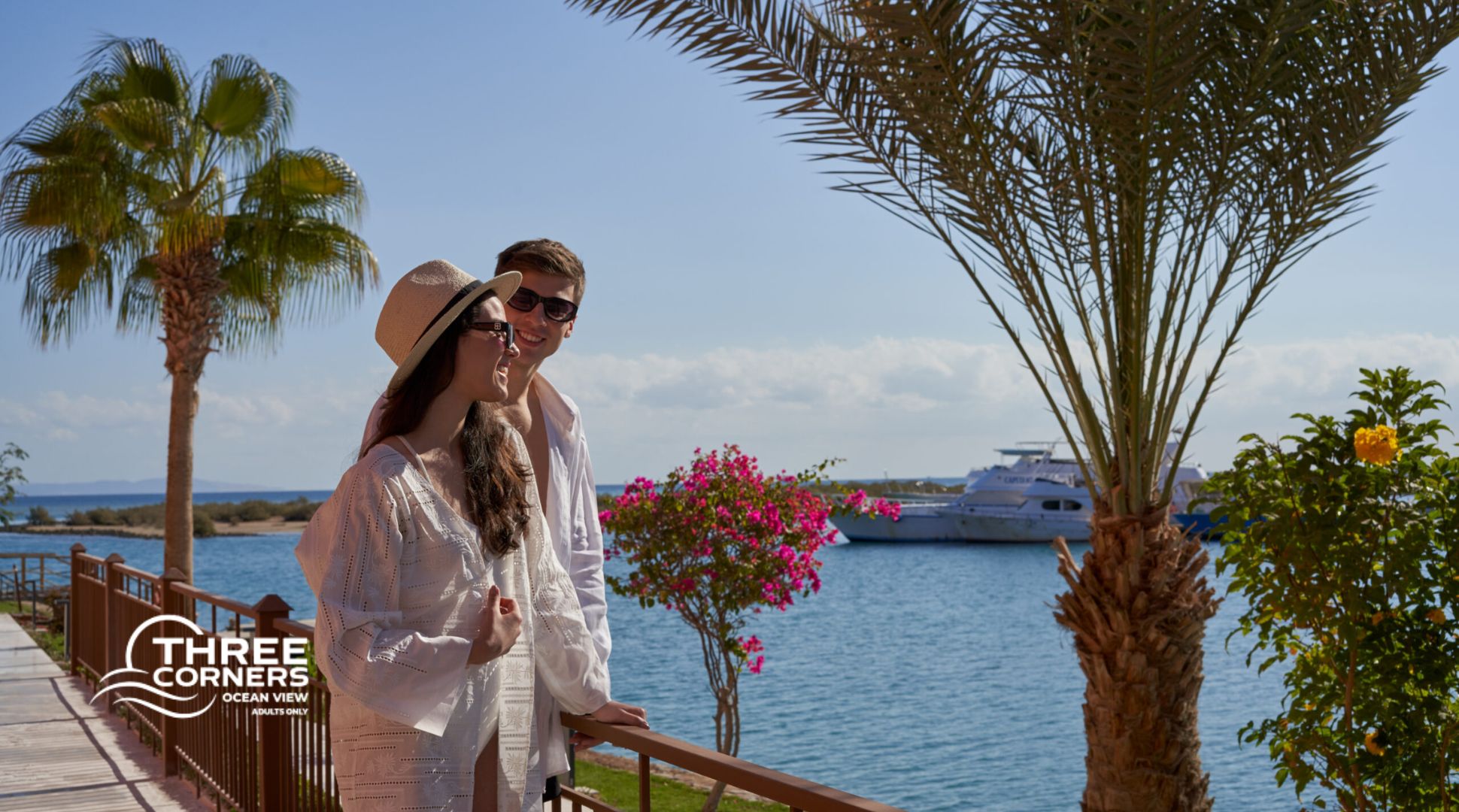
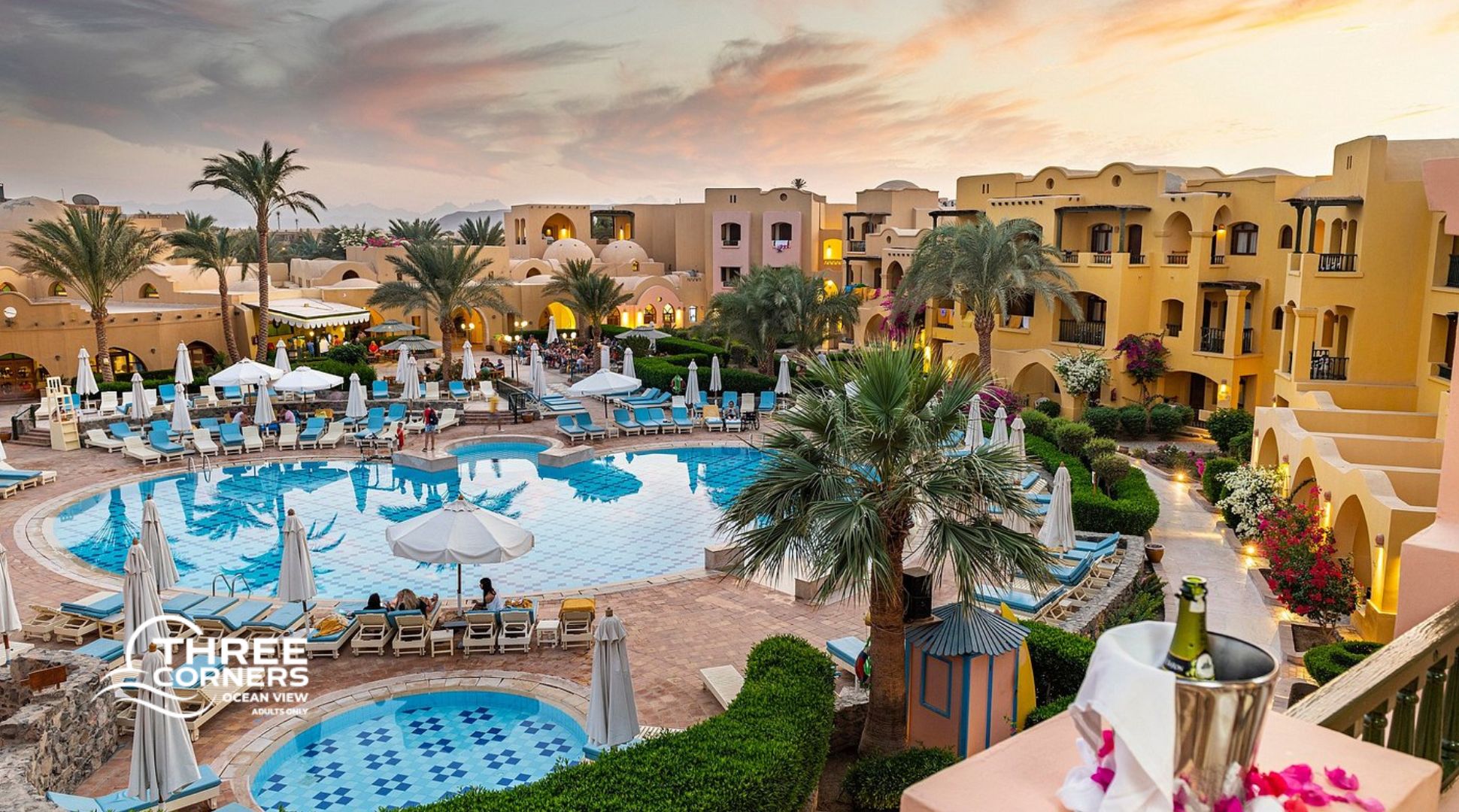
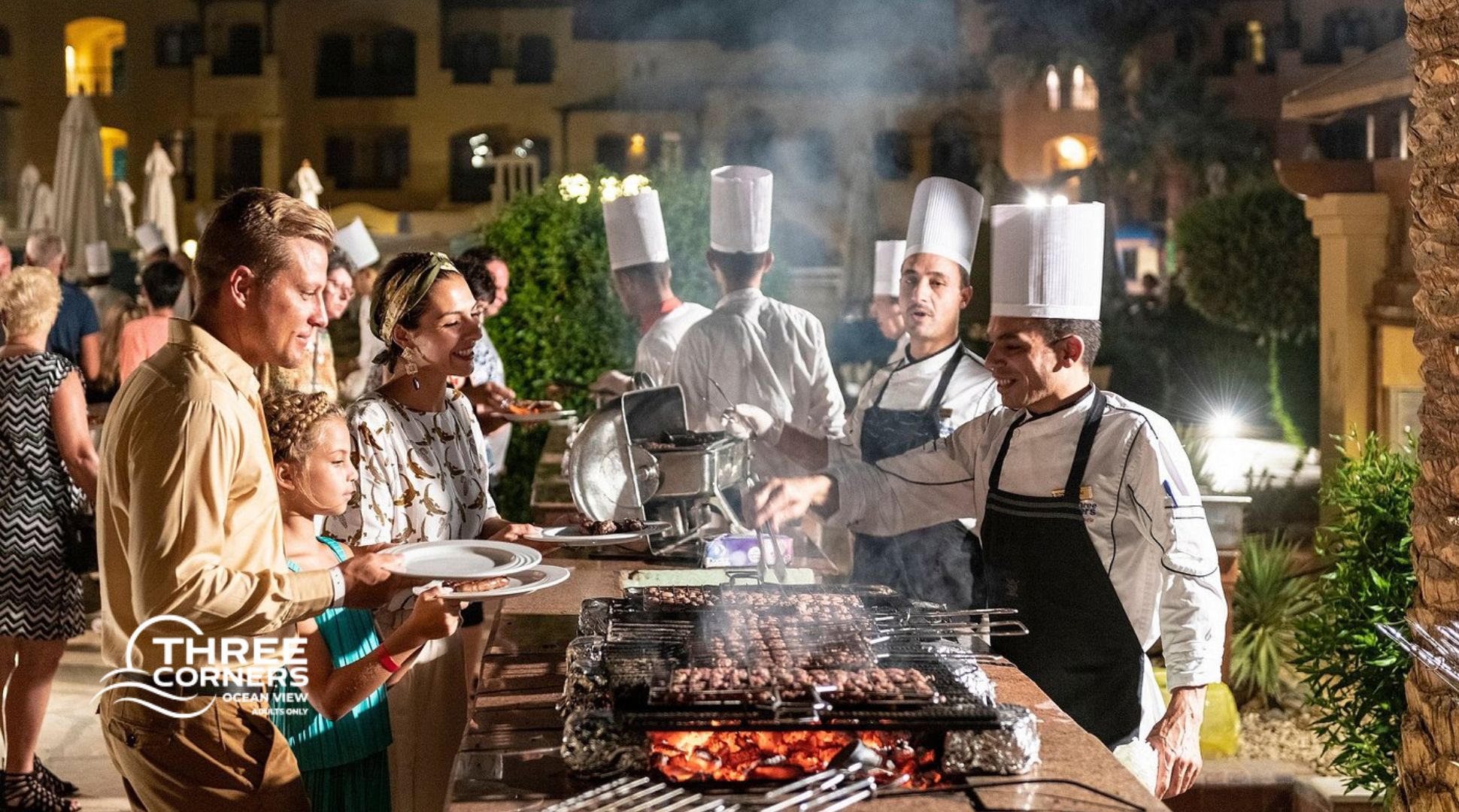
- Three Corners Ocean View Hotel (Prestige) — Elegant marina location with panoramic views, pools, and strong all-inclusive dining.
Family-Friendly Standouts In El Gouna:
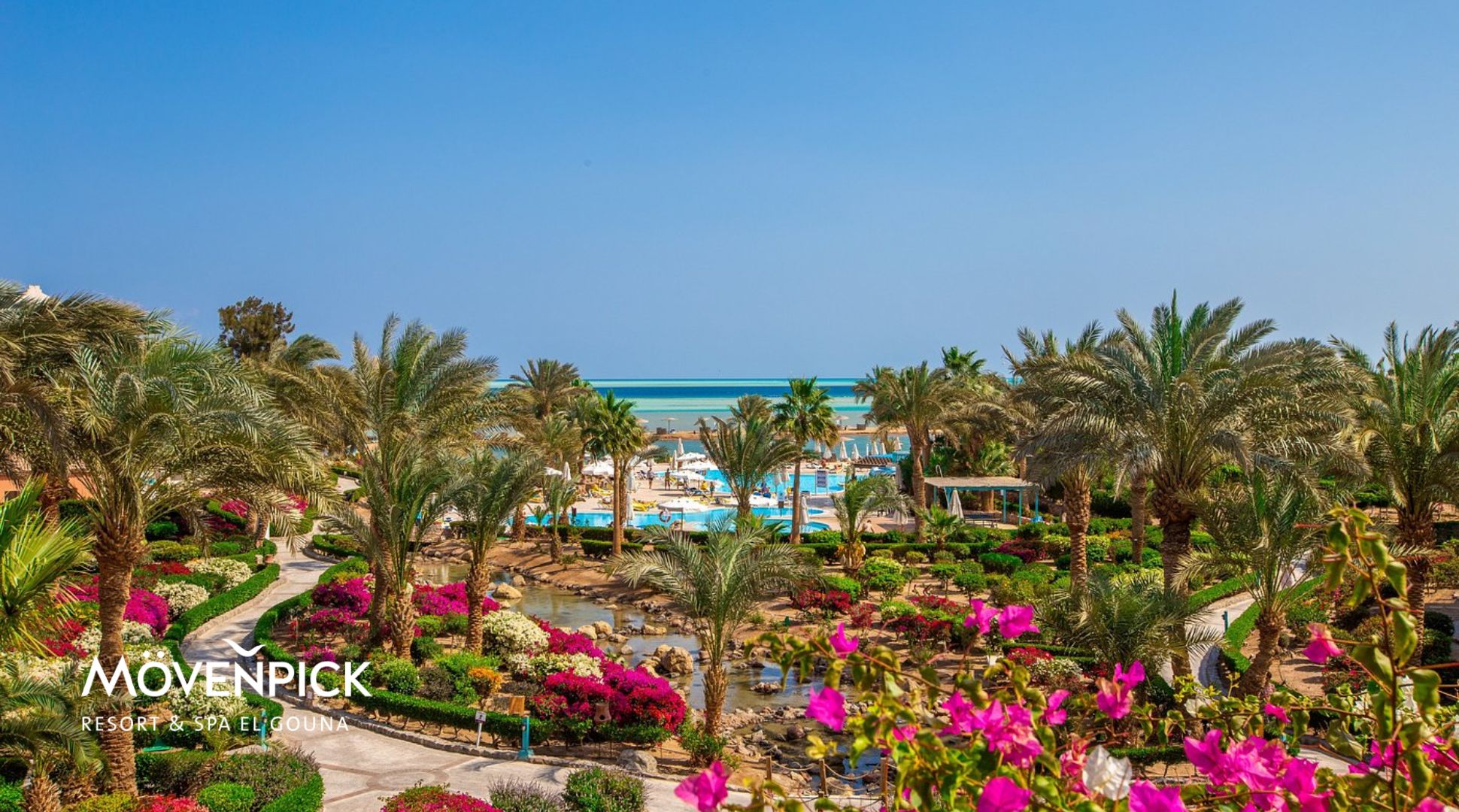
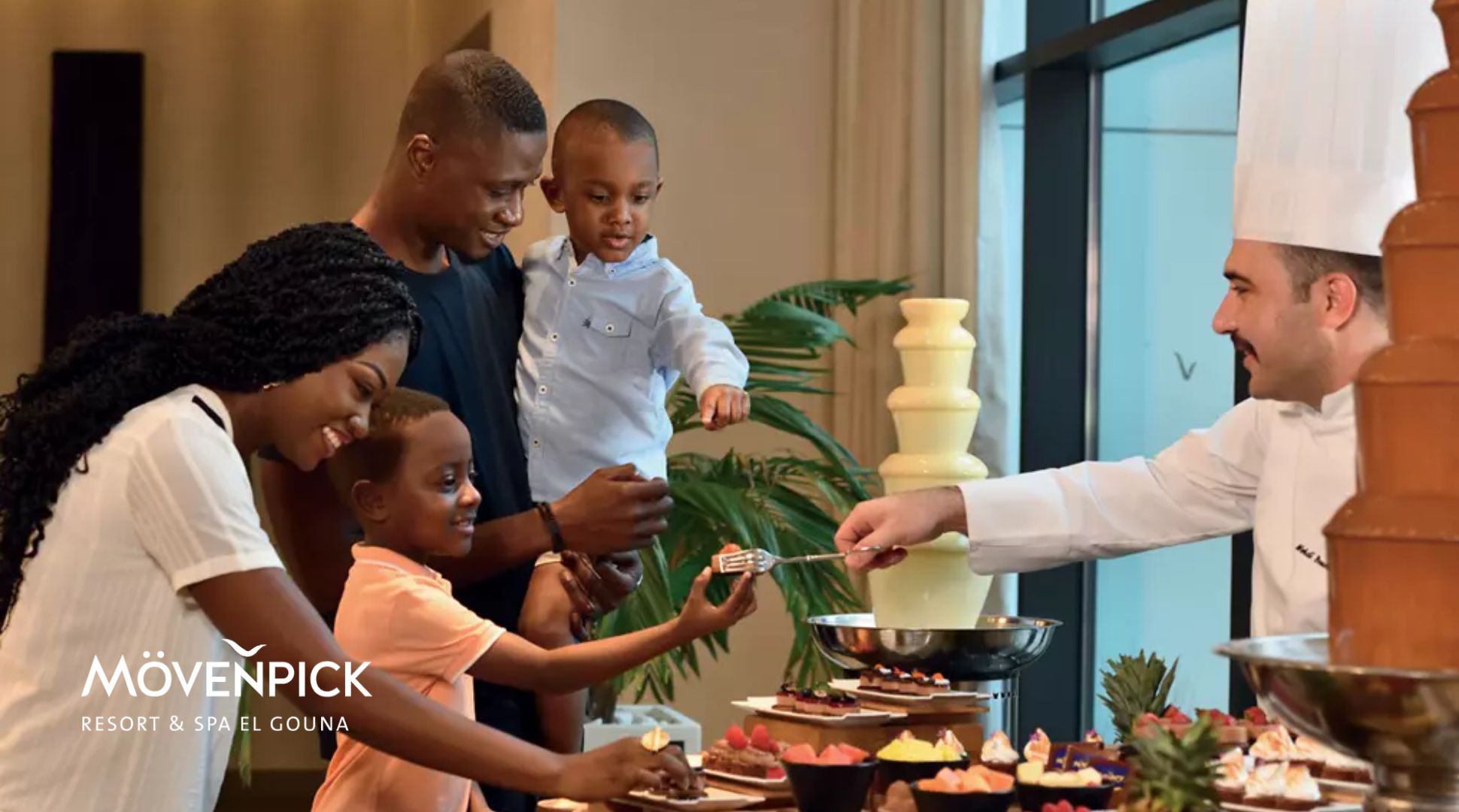
- Mövenpick Resort & Spa El Gouna — Reliable beachfront classic with multiple pools, kids’ club, family rooms, and solid all-inclusive service.
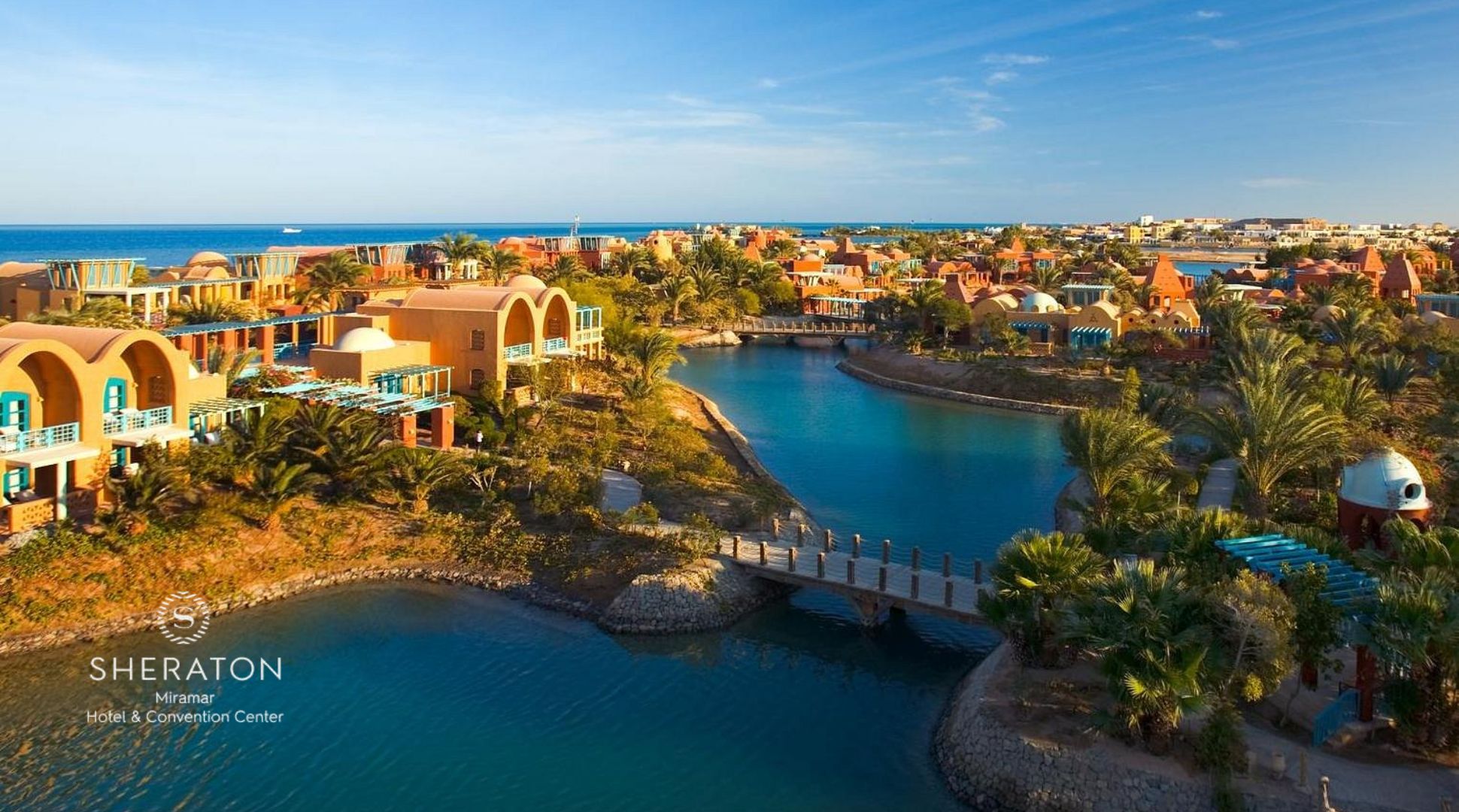
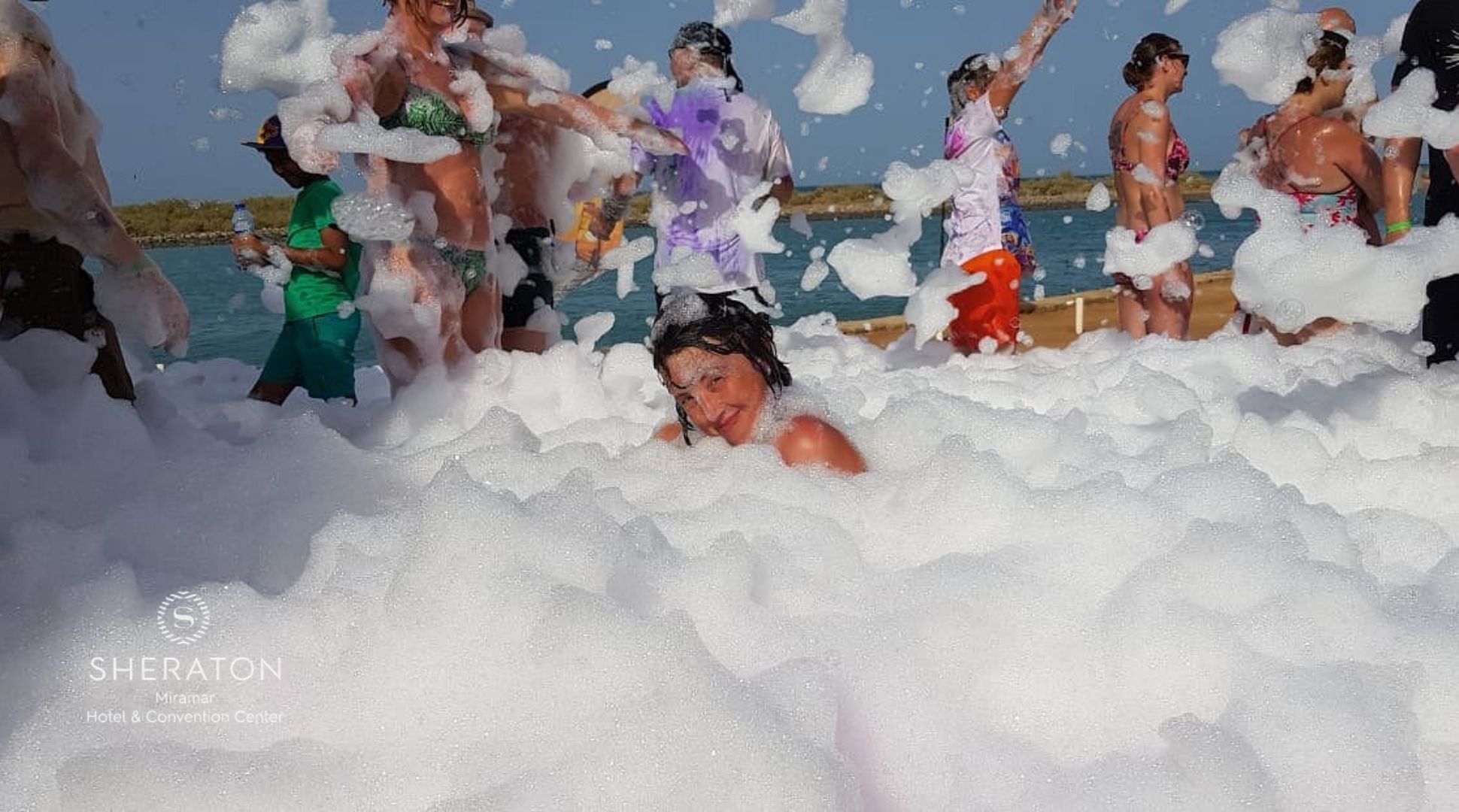
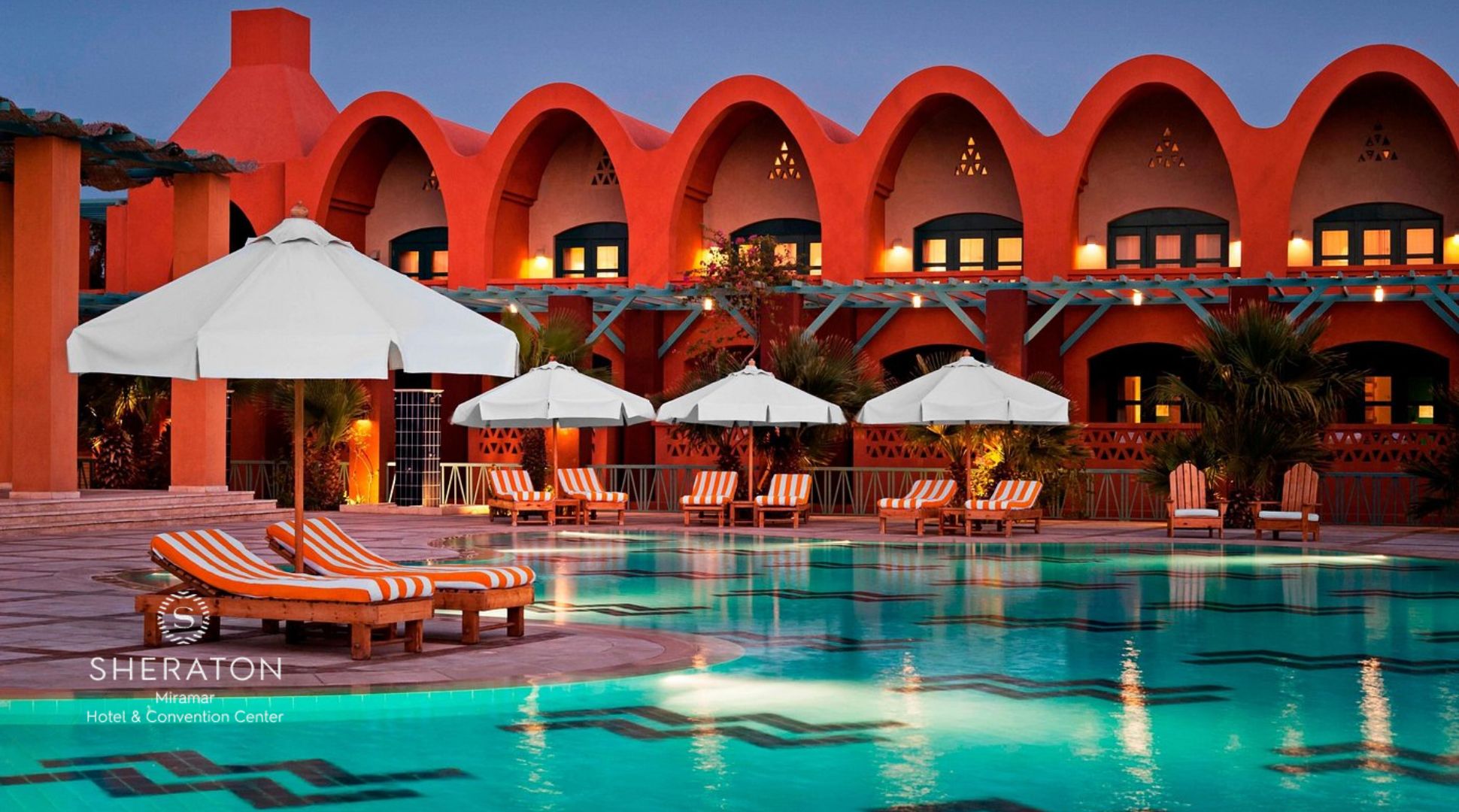
- Sheraton Miramar Resort El Gouna — Beautiful lagoon and marina setting with private beach areas, several pools, and good variety (including dine-around options).
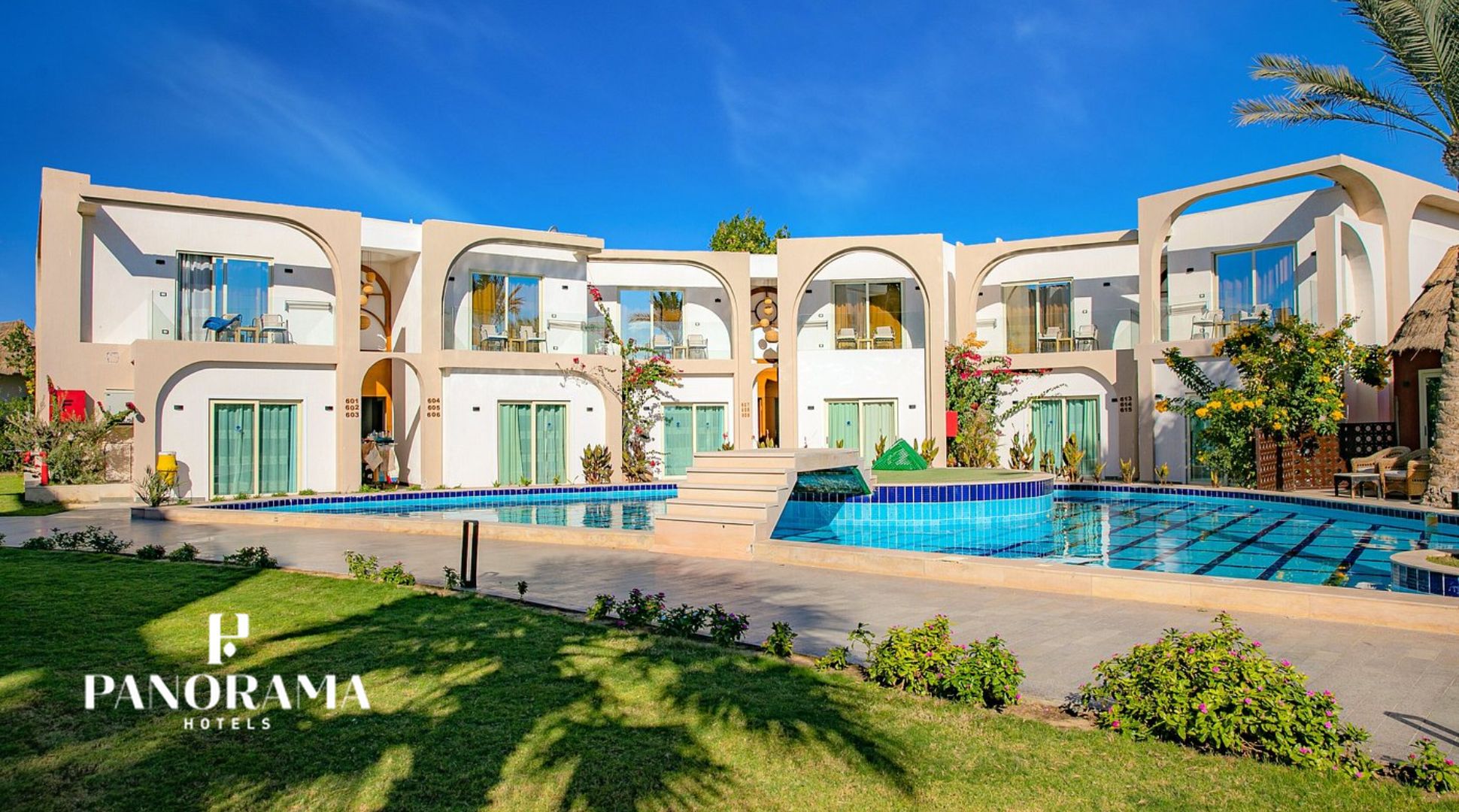
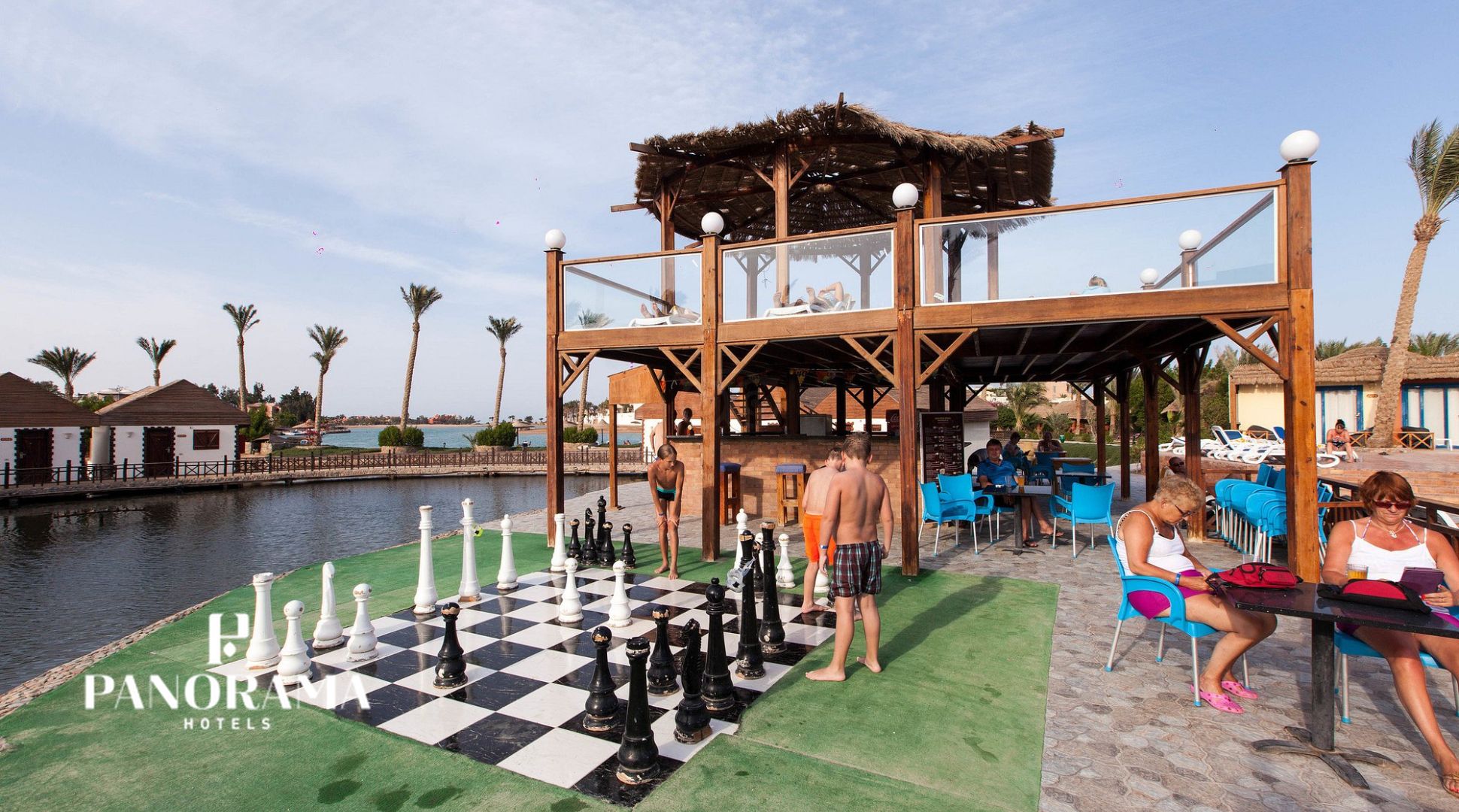
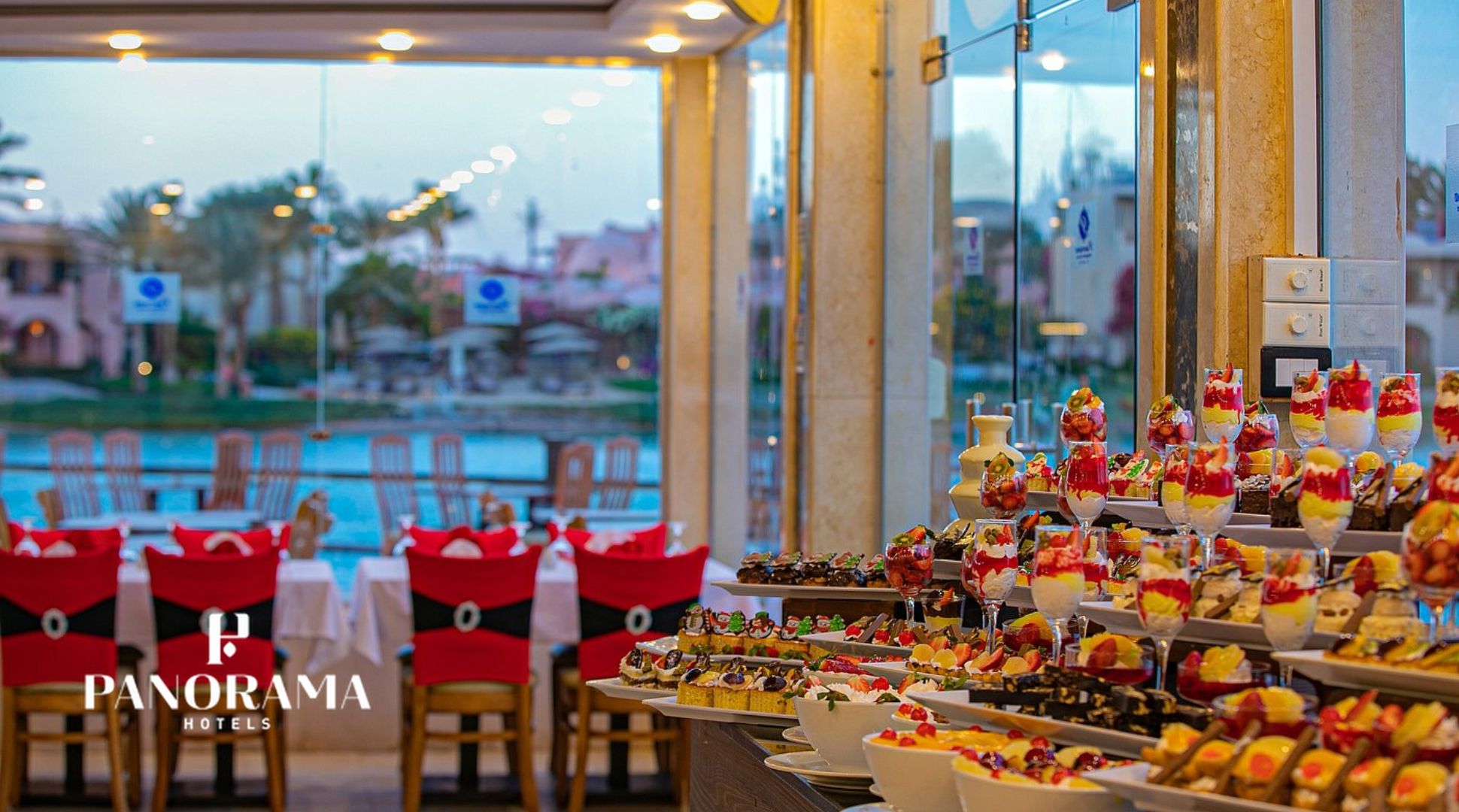
- Panorama Bungalows Resort El Gouna — Excellent value all-inclusive with a private island where food and drinks are included. A favourite for families.
- Three Corners Rihana Resort — Action-packed family option close to the town centre with pools, entertainment, and reliable all-inclusive packages.
With over 100 restaurants and bars across El Gouna (many participating in dine-around programmes), you’ll enjoy everything from fresh Egyptian seafood to international cuisine, far more variety than a standard resort buffet. Hurghada and Sharm El Sheikh add even more dining choice within the larger resorts.
Quirky, Sustainable & Welcoming
El Gouna’s charm lies in the details: electric tuk-tuks, strong environmental initiatives, and cultural events such as the El Gouna Film Festival. The gated exclusivity keeps it feeling safe, clean, and relaxed, promising a fresh, modern take on winter sun that feels different from the usual offerings.
If you’re ready to escape the UK weather and chase some proper warm Red Sea sun at great value, get in touch! Give us a call on 01902 288104, send us an email or book a holiday planning appointment today!


Why Cruise Clients Come to Us
I’m an official cruise expert, and Stephanie and I are both genuine cruise lovers. Our clients often tell us that our passion is infectious, and we always delight in supporting people on their first cruise. There is nothing better than hearing from them when they return and tell me how much they have loved it, and they can’t wait to book their next one.
What surprises many people is just how complex it can be behind the scenes.
Much of that complexity comes down to inclusions. Cruise fares are structured very differently depending on the line and the type of fare you select. Some include gratuities, others do not. Drinks packages might mean soft drinks only or a fully inclusive open bar with premium wines and spirits. Wi Fi may be included, limited or completely extra. Speciality dining might be part of the experience on one ship and chargeable on another. Shore excursions can be included or may cost extra. And what makes it even harder, is that these inclusions change every season!
On paper, two cruises can look very similar in price. Once you factor in tips, drinks, dining, Wi Fi and excursions, the overall spend and value can be very different.
And that is before you even start thinking about the ship itself. Beyond inclusions sits another layer of decisions. How many passengers are onboard? Do you want a smaller, more intimate vessel or a larger ship with multiple restaurants, theatres and facilities? Is the atmosphere contemporary and lively or classic and understated? How much time is spent in port? Are there overnight stays? What does the spa look like? Is there enrichment or destination expertise onboard? All these factors shape the experience just as much as what is included in the fare.
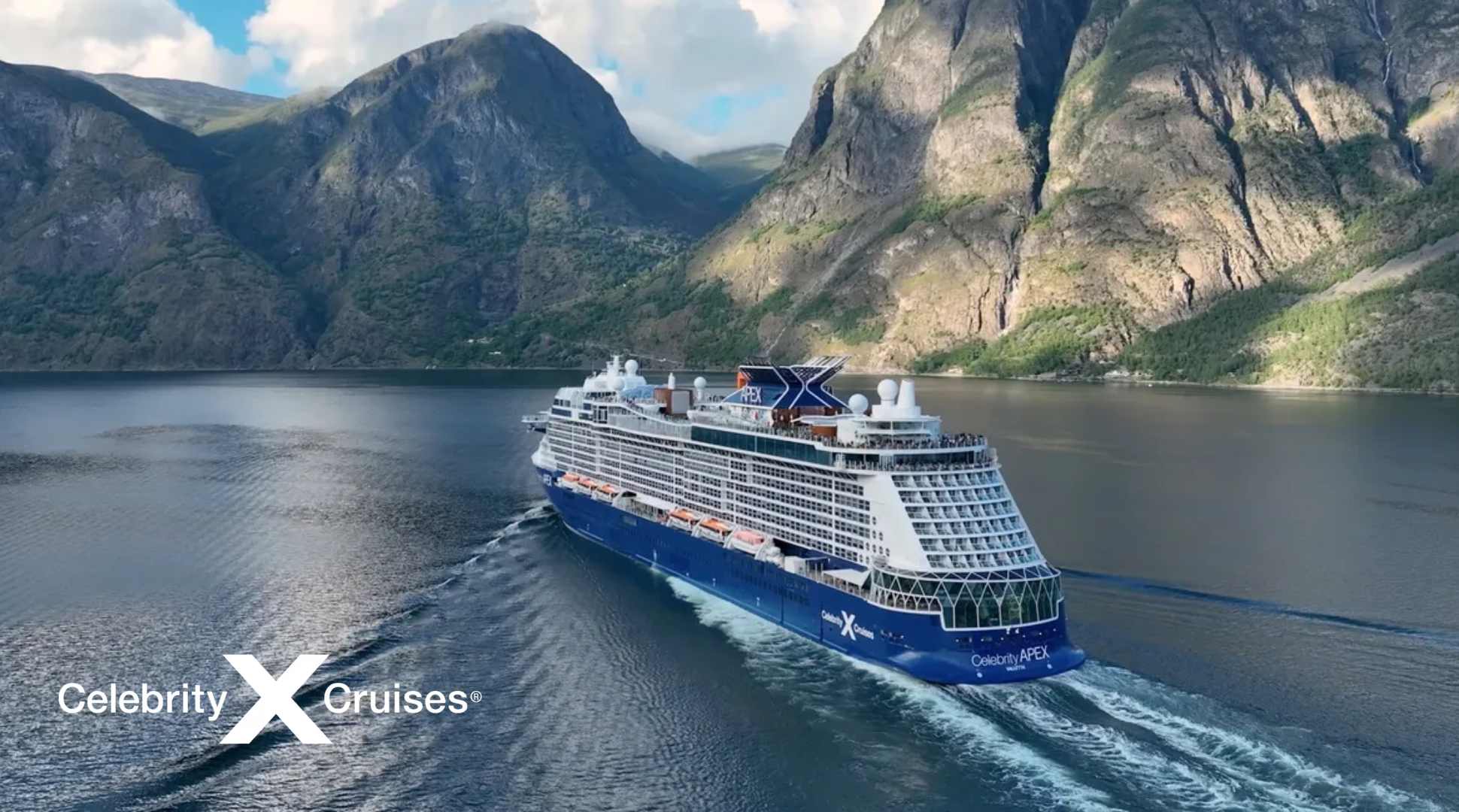
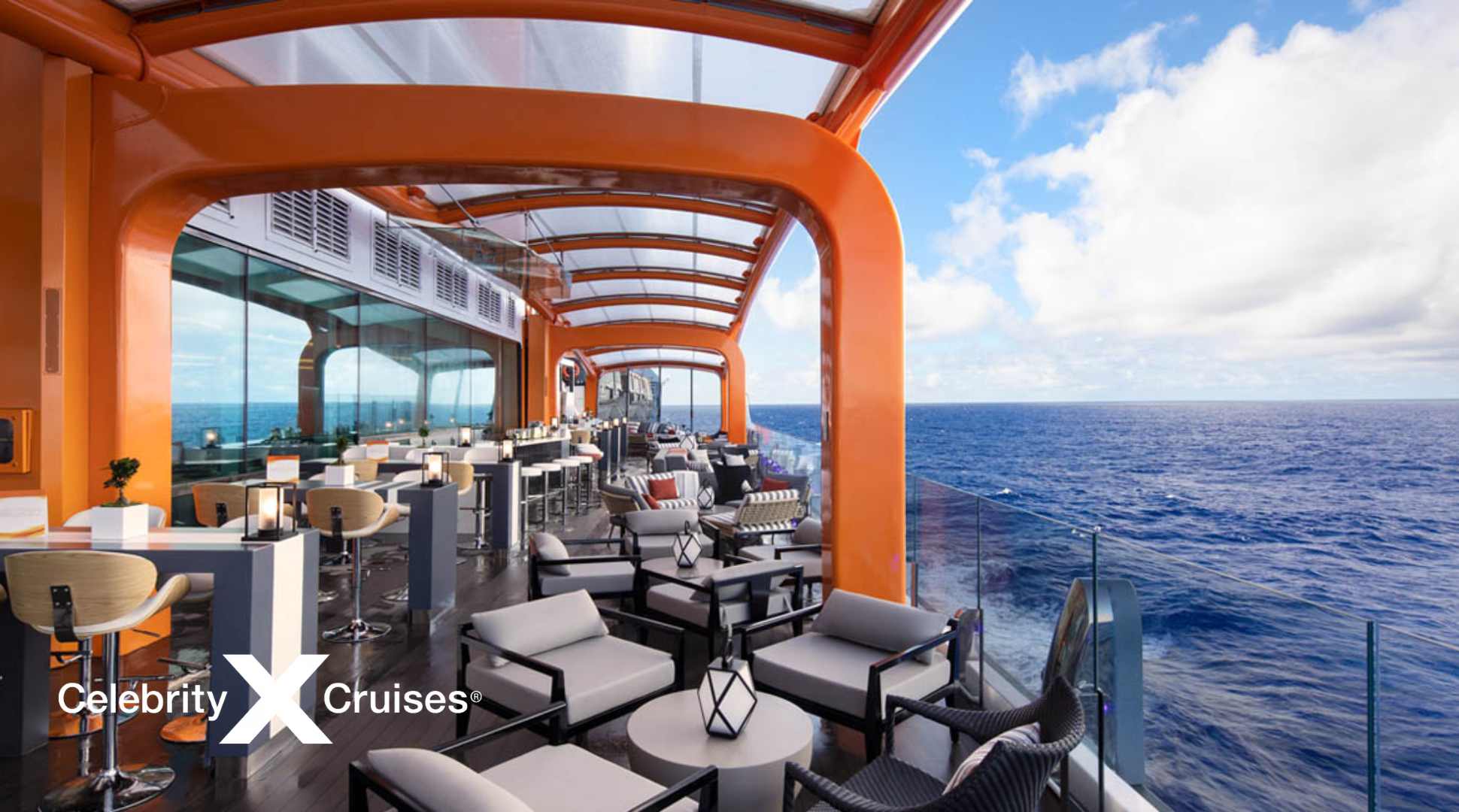
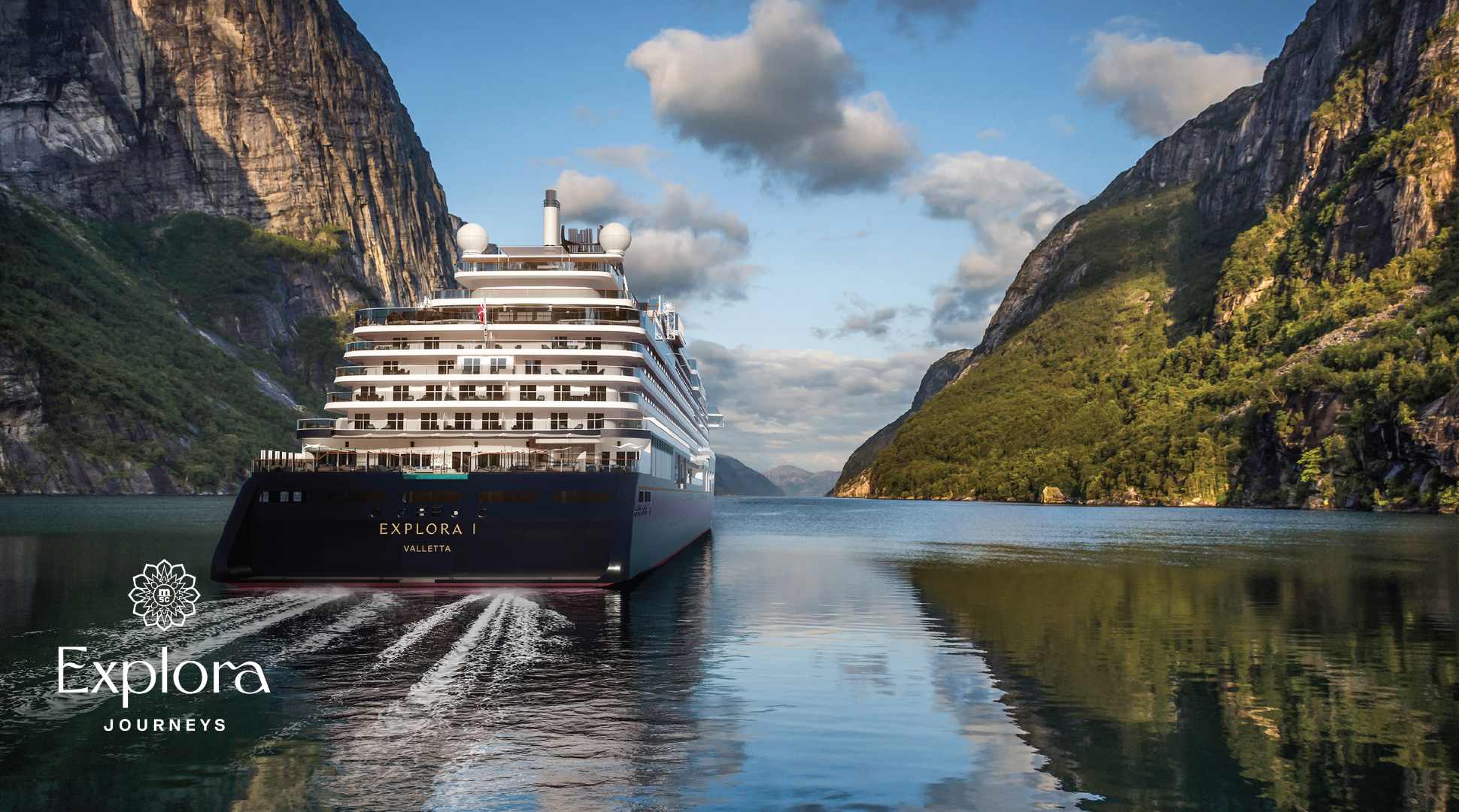
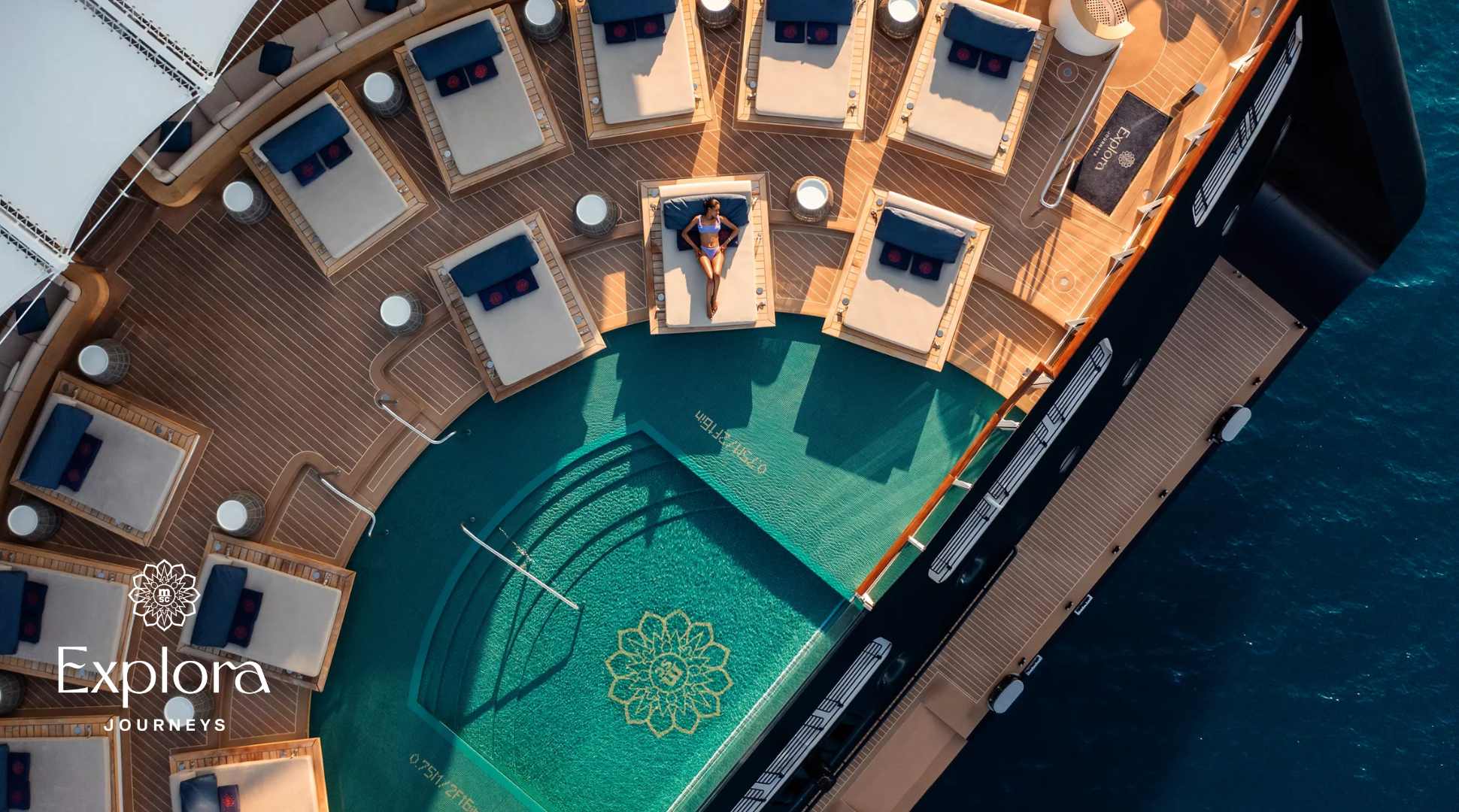
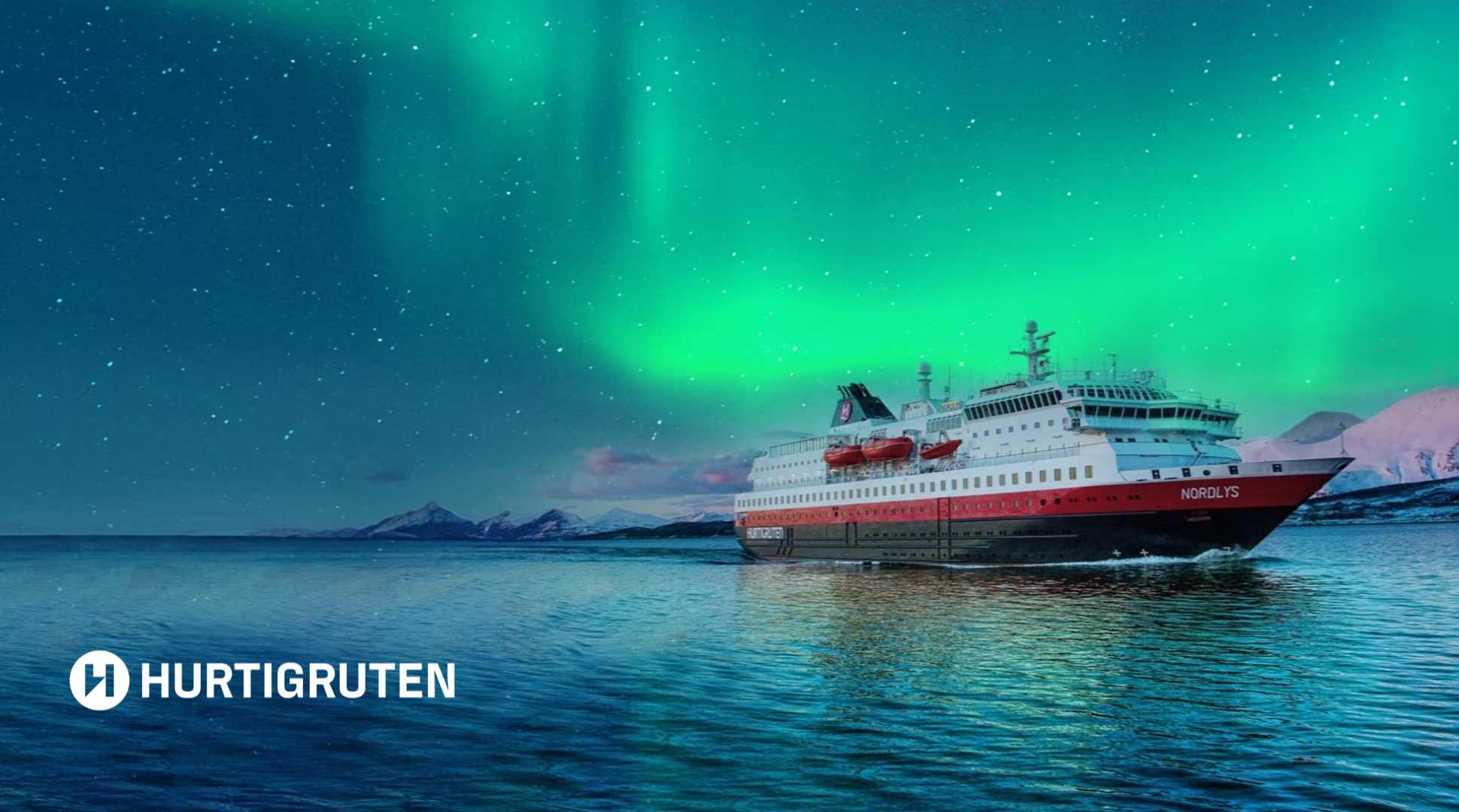
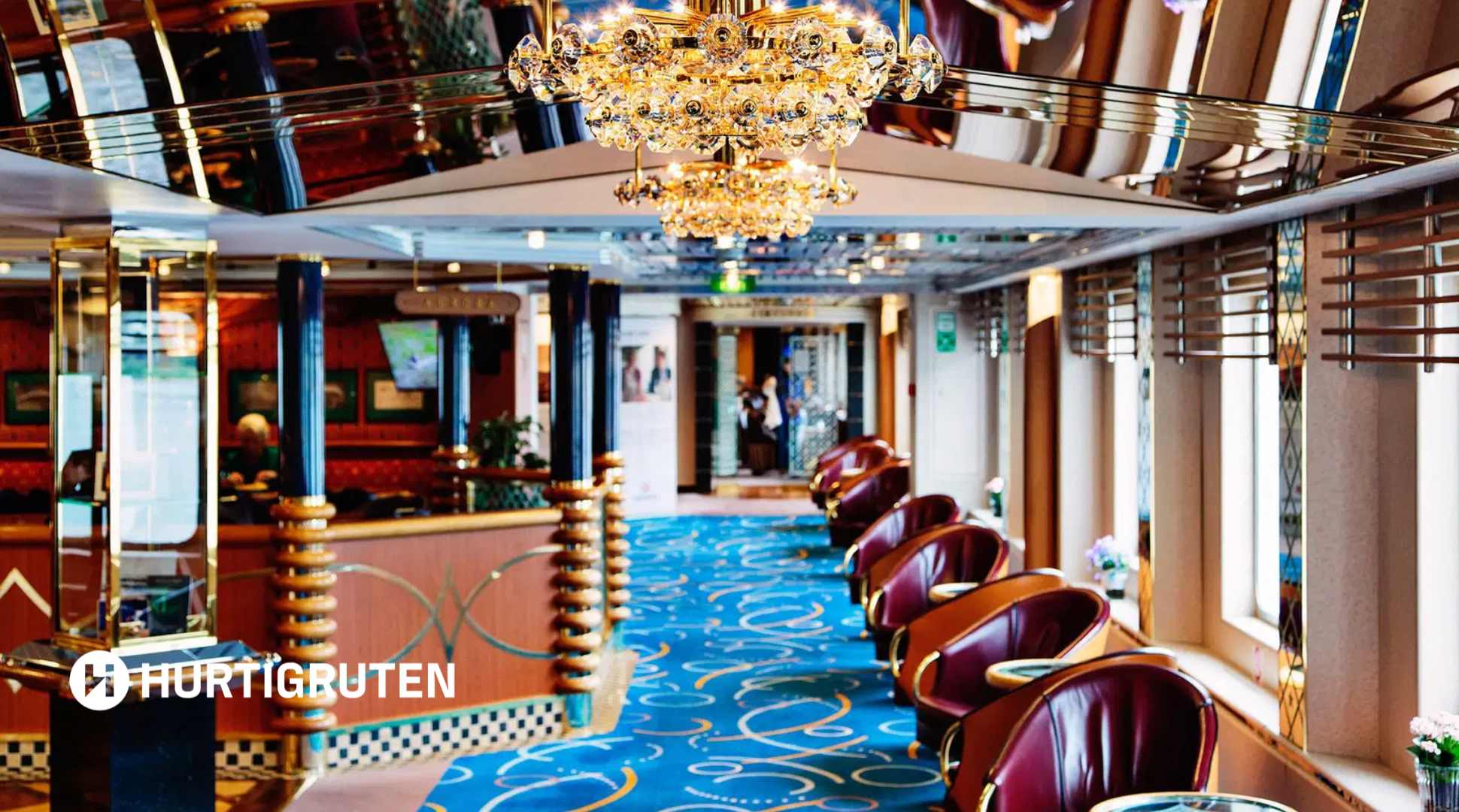
This is why clients come to us. We work in partnership with all the leading cruise brands – river, ocean and expedition – our top sellers include Celebrity Cruises, Silversea Cruises, Regent Seven Seas Cruises, Explora Journeys, and Hurtigruten. Being independent allows us to compare the market honestly and match each client to the cruise that best fits their priorities, style and budget.
We take the time to talk through every detail so there are no last-minute surprises, booking your cruise should be exciting and effortless. Get in touch to start planning your first (or next) cruise. Give us a call on 01902 288104, send us a message, or book a cruise meeting.
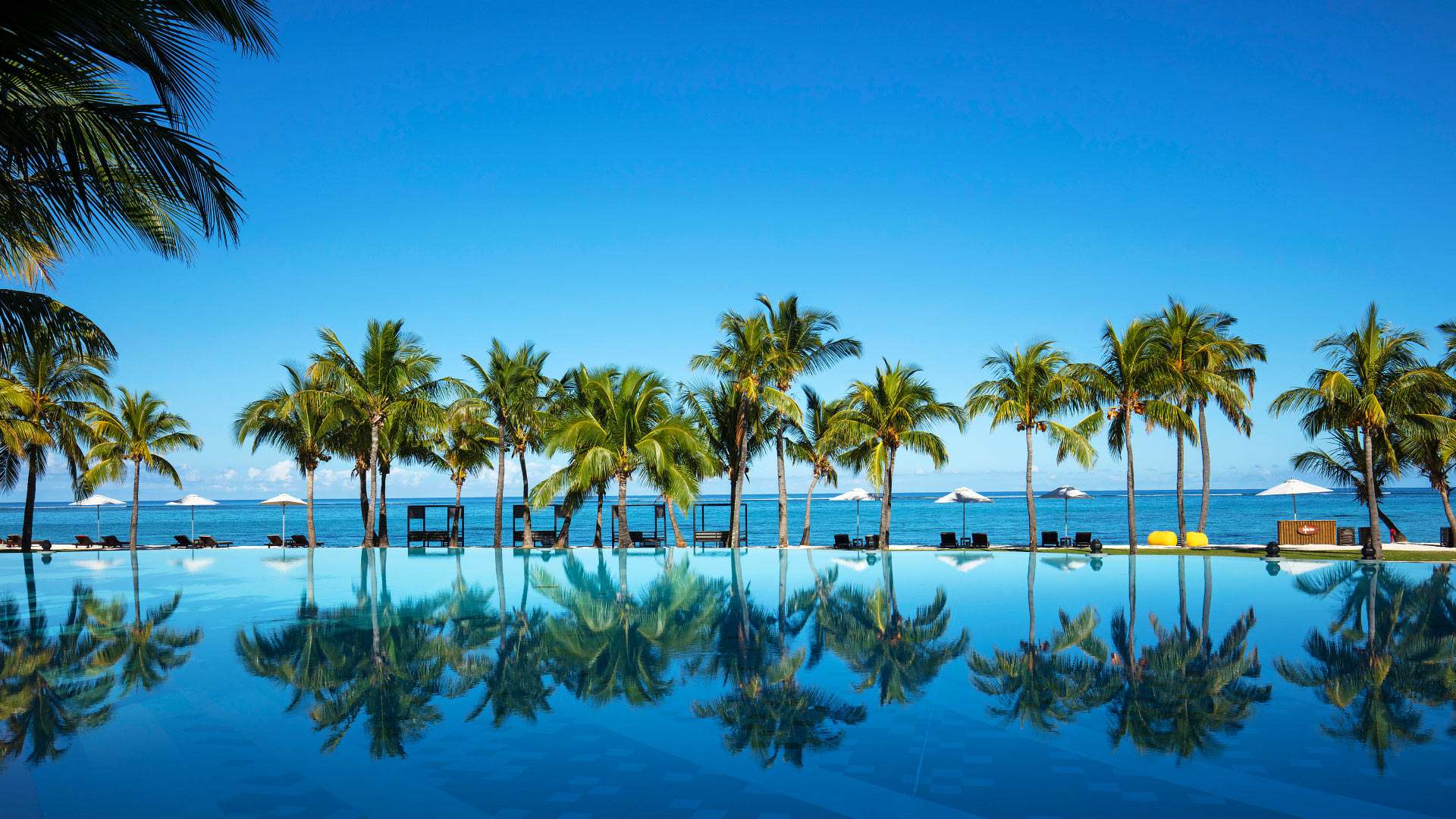
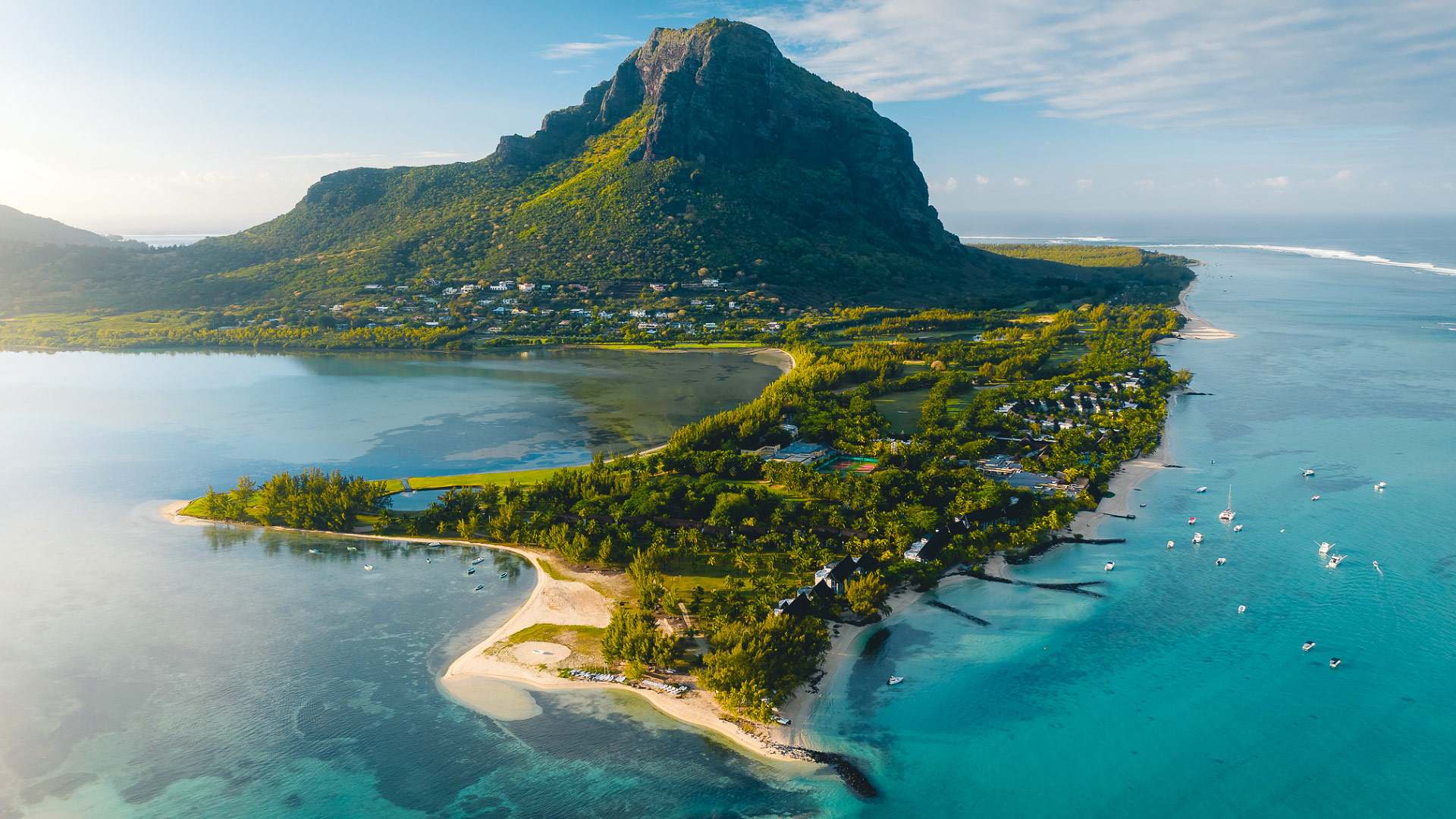
Why Mauritius Can Make Sense When the Med Doesn't
Let’s be completely honest from the start. When I suggest Mauritius for a family holiday in the school summer holidays, I know exactly what most people are thinking: “That’s a very long flight.”
And they’re right. It is a long way to go, and I would never pretend otherwise. But if you can face that journey, Mauritius can be an excellent option, particularly when we’re struggling to get quite what families want in Europe in July and August.
Gilly Bachelor
Every year, we speak to parents who have a similar wish list: good weather, a beautiful beach, safe swimming for children, proper space to relax, and (crucially) an all-inclusive that genuinely covers enough to stop the constant drip of spending. Increasingly, that combination can be hard to secure in the Mediterranean at peak times, amid punishing heat, overcrowded resorts, or prices that feel hard to justify.
That’s where Mauritius, and Beachcomber in particular, really stands apart.
The climate certainly helps. While much of the Med can be fiercely hot in summer, Mauritius is in its cooler season. You still get glorious sunshine, but without the searing temperatures that can make days feel draining, especially with children. Evenings are more comfortable, sleep tends to be easier, and families generally feel more relaxed.
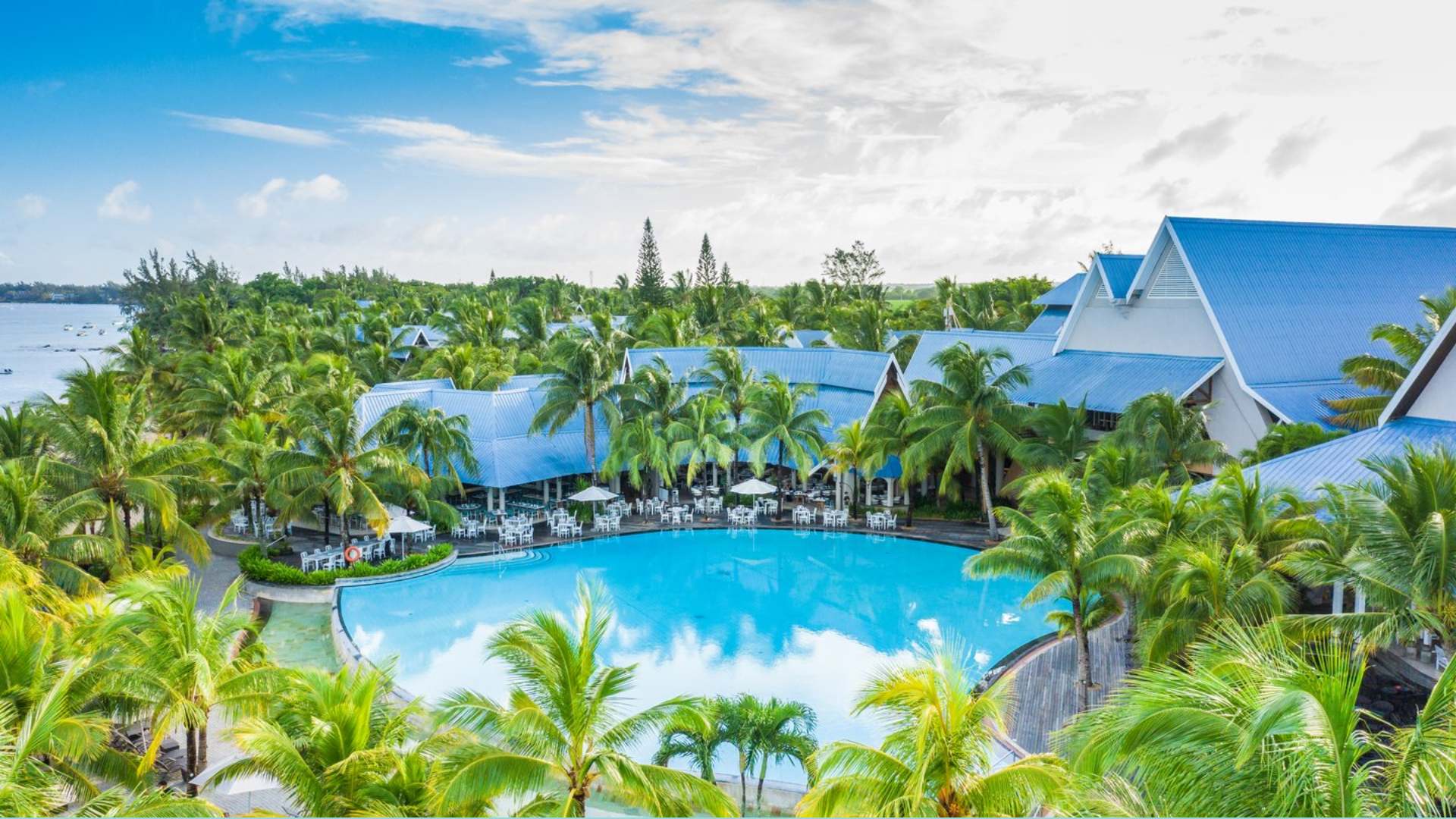
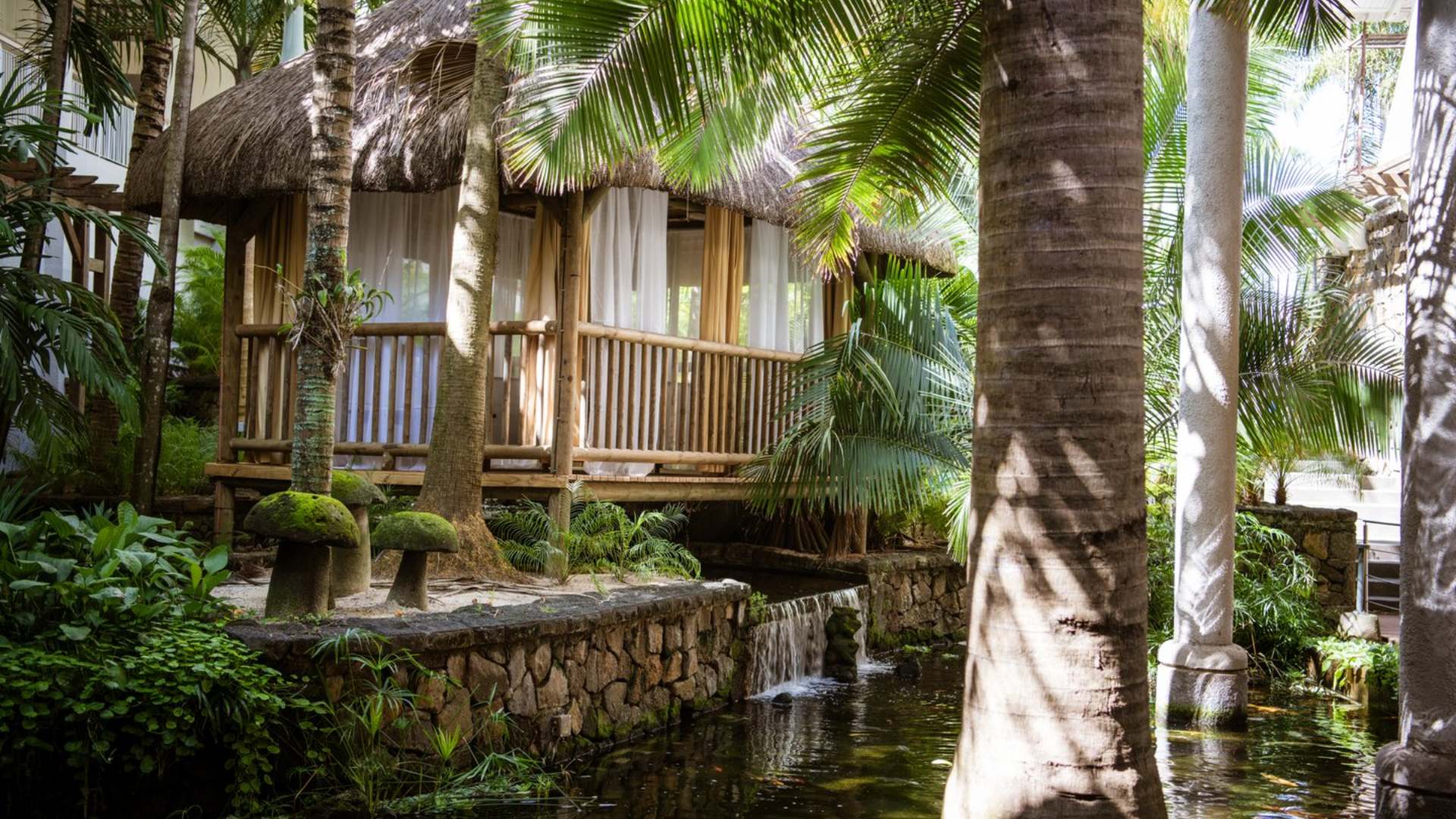
But what often tips the balance for our clients is the scale of what’s included at resorts like Victoria Beachcomber on the sheltered north-west coast.
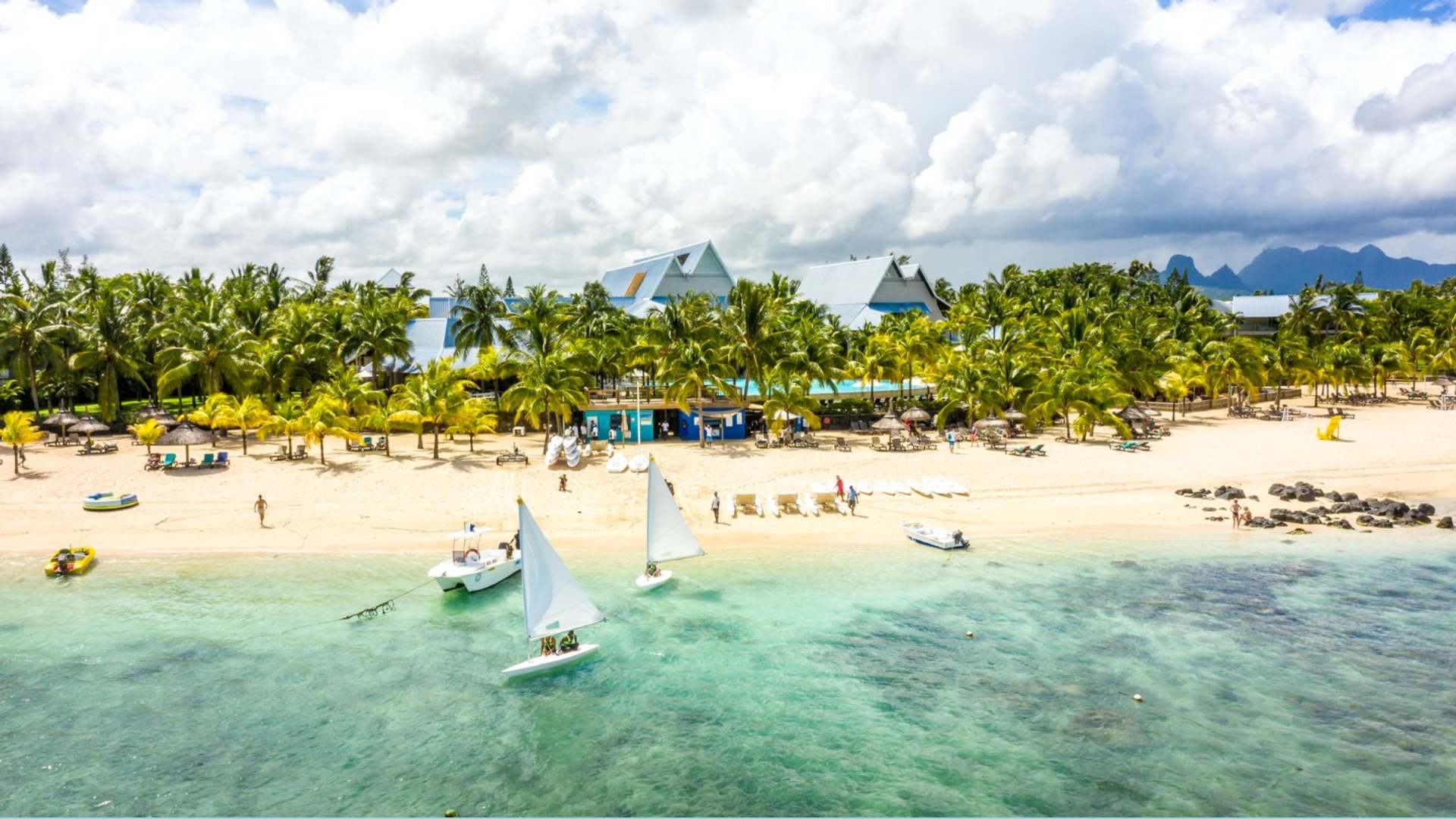
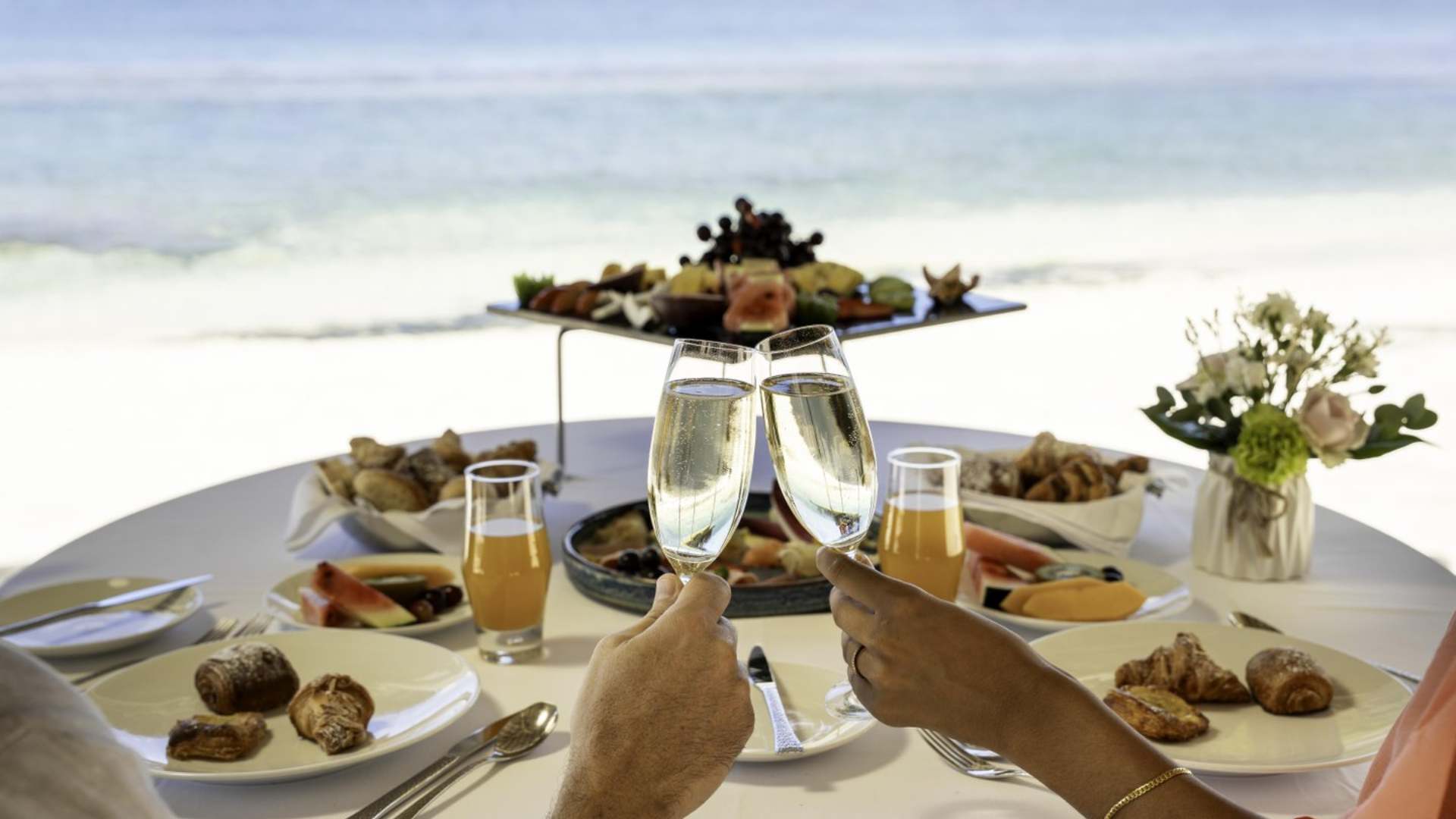
This isn’t just “all-inclusive” in name. It’s an all-inclusive that actually covers the things families want: excellent dining options across several restaurants, decent wines and branded drinks, snacks through the day, kids’ clubs, and a genuinely impressive range of land and water activities (including motorised ones!). From waterskiing, to sailing and snorkelling to kayaking, paddleboarding, tennis, fitness classes and evening entertainment, there’s enough going on that children are happily occupied without parents constantly reaching for their wallets.
The calm lagoon at Victoria makes all of that even more appealing. Swimming is easy and safe, water sports are accessible rather than intimidating, and the whole resort has a relaxed, well-run feel that suits families who want quality rather than noise.
In practical terms, a 10-night family stay here, including flights, private transfers, all-inclusive board and a two-bedroom family apartment, will typically sit around £10,000 to £12,000, depending on dates and routing. But when you factor in how much is genuinely included, and how little you end up spending once you arrive, the value picture looks very different when compared to many European options.
Mauritius will never replace the Mediterranean, we still send plenty of families there every year, and rightly so. But when Europe is proving tricky in peak summer, whether because of heat, crowds or cost, Mauritius deserves to be firmly in the conversation.
If you can handle the flights, and you value a truly comprehensive all-inclusive, the rewards are very real!
Why not get in touch to start planning your dreamy Mauritius escape?

Why China is Back on the Travel Radar
China has long been a destination that fascinates and intrigues, but for many travellers the practicalities have felt daunting. The recent announcement that UK passport holders will be able to visit China for up to 30 days without a visa marks a significant and very welcome shift. Anyone who has previously applied for a Chinese visa will appreciate just how complex and time-consuming the process could be, so this change has the potential to make travel to China feel far more accessible. While confirmed start dates are still awaited, it is an encouraging development for anyone considering a visit.
“That said, China is not, in my professional opinion, a destination best tackled independently. It is a vast, complex and deeply different country, and it works far better as either a small escorted tour or a carefully planned tailor-made journey with private guides and drivers. Language barriers are real, familiar apps and websites do not function as they do at home, digital payments dominate daily life and cultural norms can feel unfamiliar at first. Travelling with experienced local support removes these challenges entirely, allowing you to focus on the experience rather than the logistics.
What consistently stands out to me is the feedback from our clients who have travelled to China. Without exception, they return impressed by the scale of the country, the richness of its history and the warmth and curiosity of the people they encountered. China has a habit of exceeding expectations and lingering in the memory long after you return home.”
Gilly Bachelor
A Classic Tailor-Made Journey Through China
For those seeking flexibility and a more personal pace, a tailor-made itinerary offers an excellent way to experience China's highlights while travelling with confidence and ease.
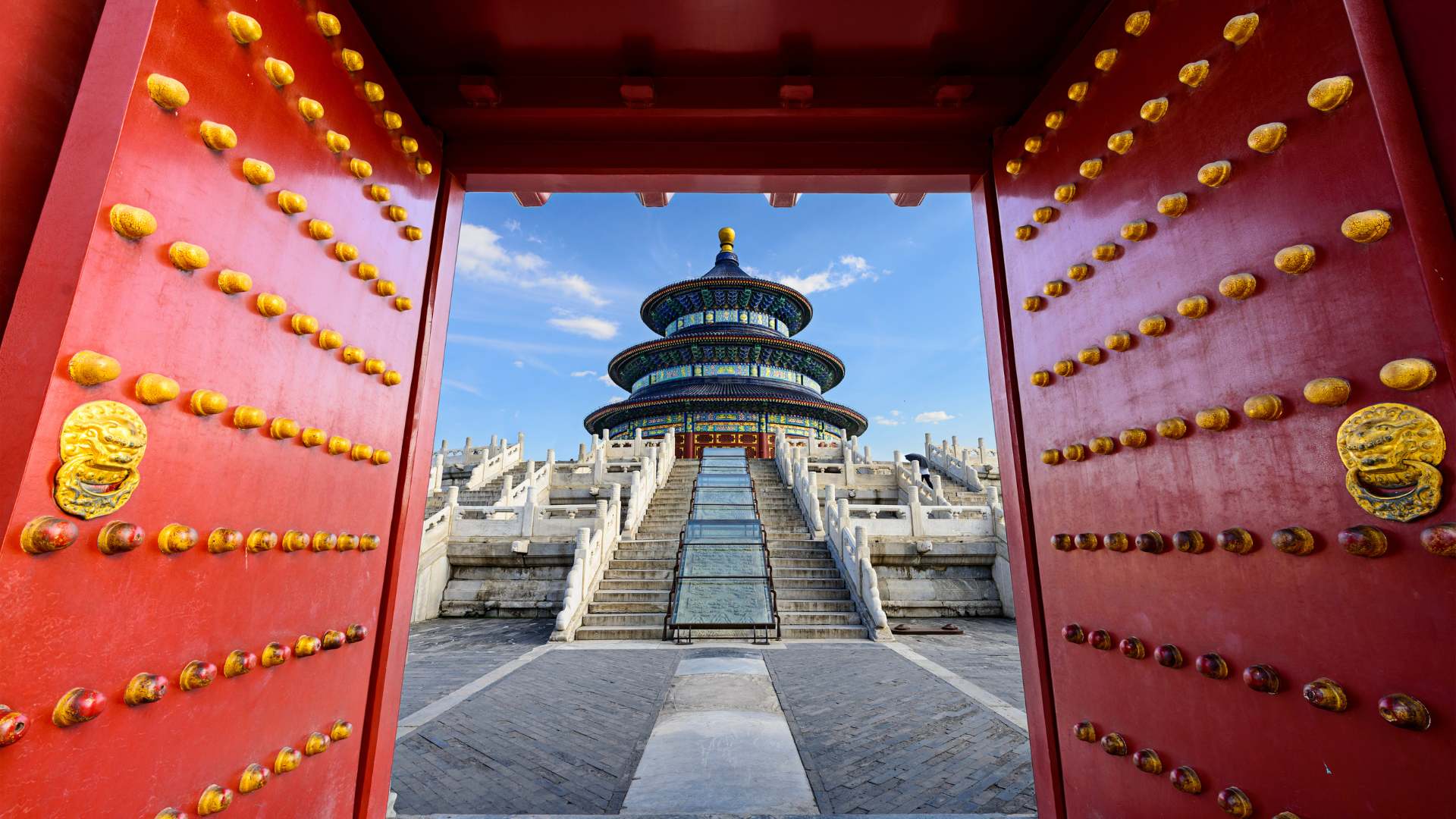
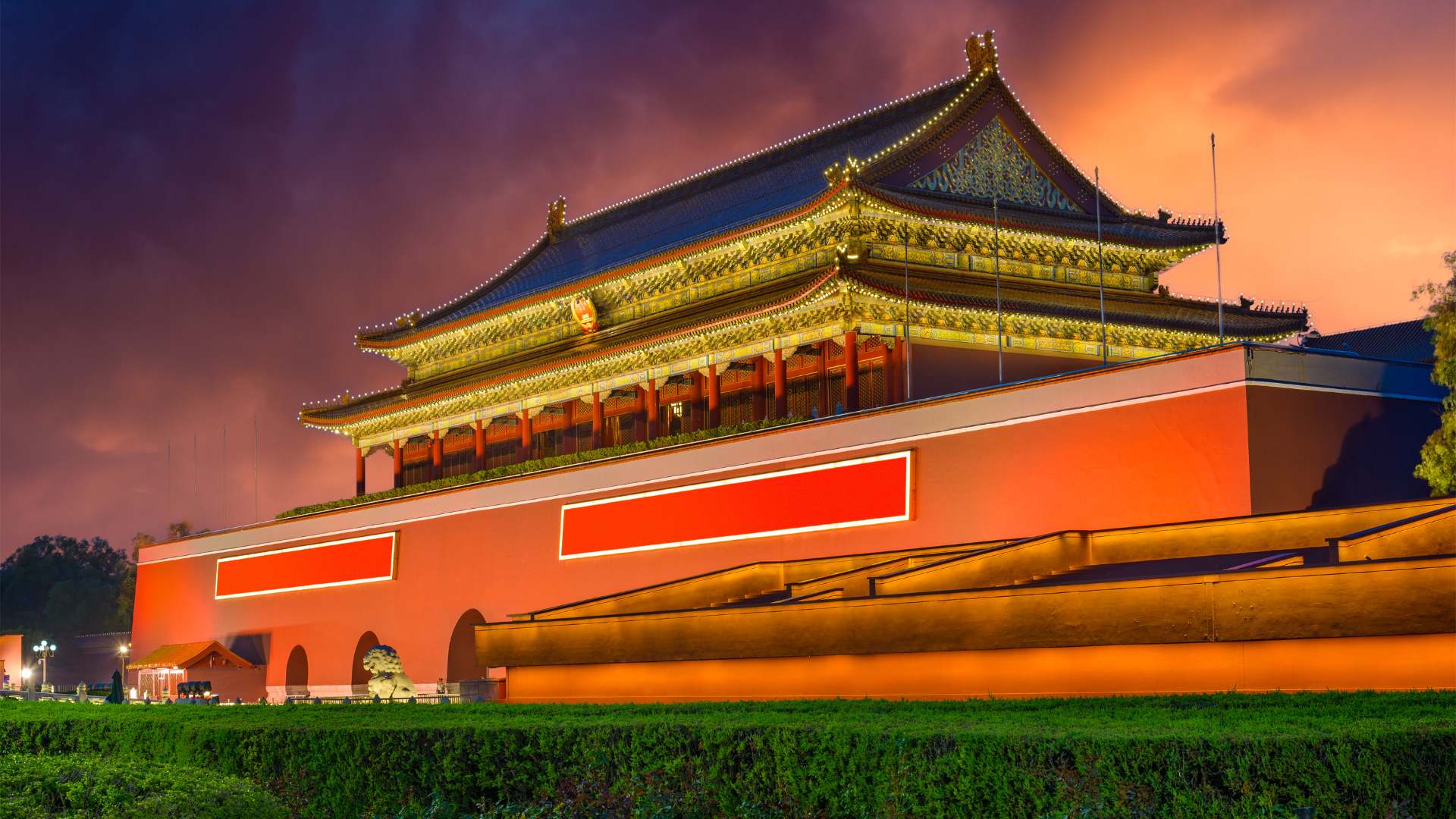
A typical journey begins in Beijing, exploring landmark sights such as Tiananmen Square, the Forbidden City, and the Temple of Heaven, balanced with time in traditional hutong neighbourhoods that offer insight into daily life. Visiting a quieter section of the Great Wall allows for a far more rewarding experience, with space to appreciate both the history and the landscape.
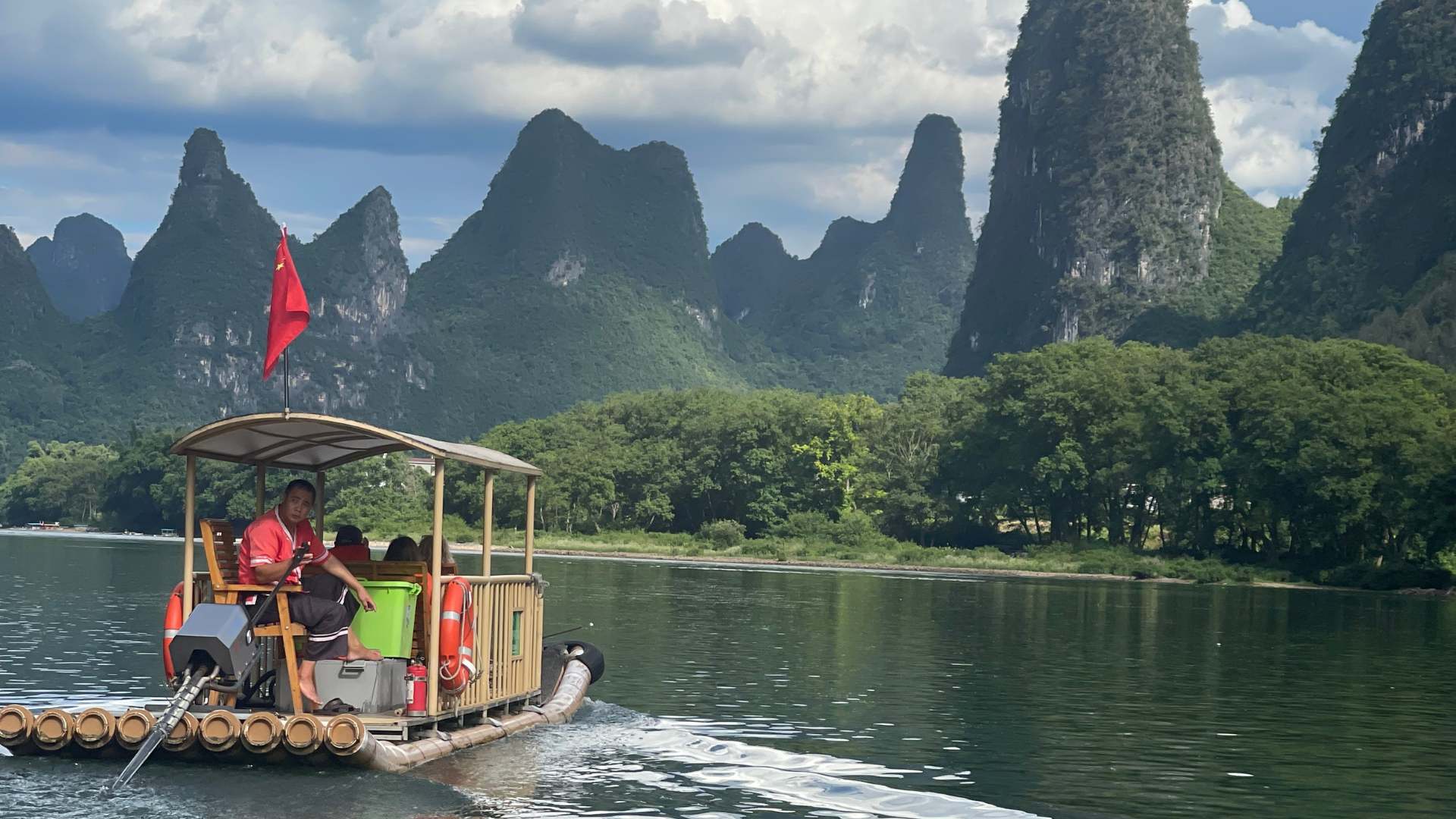
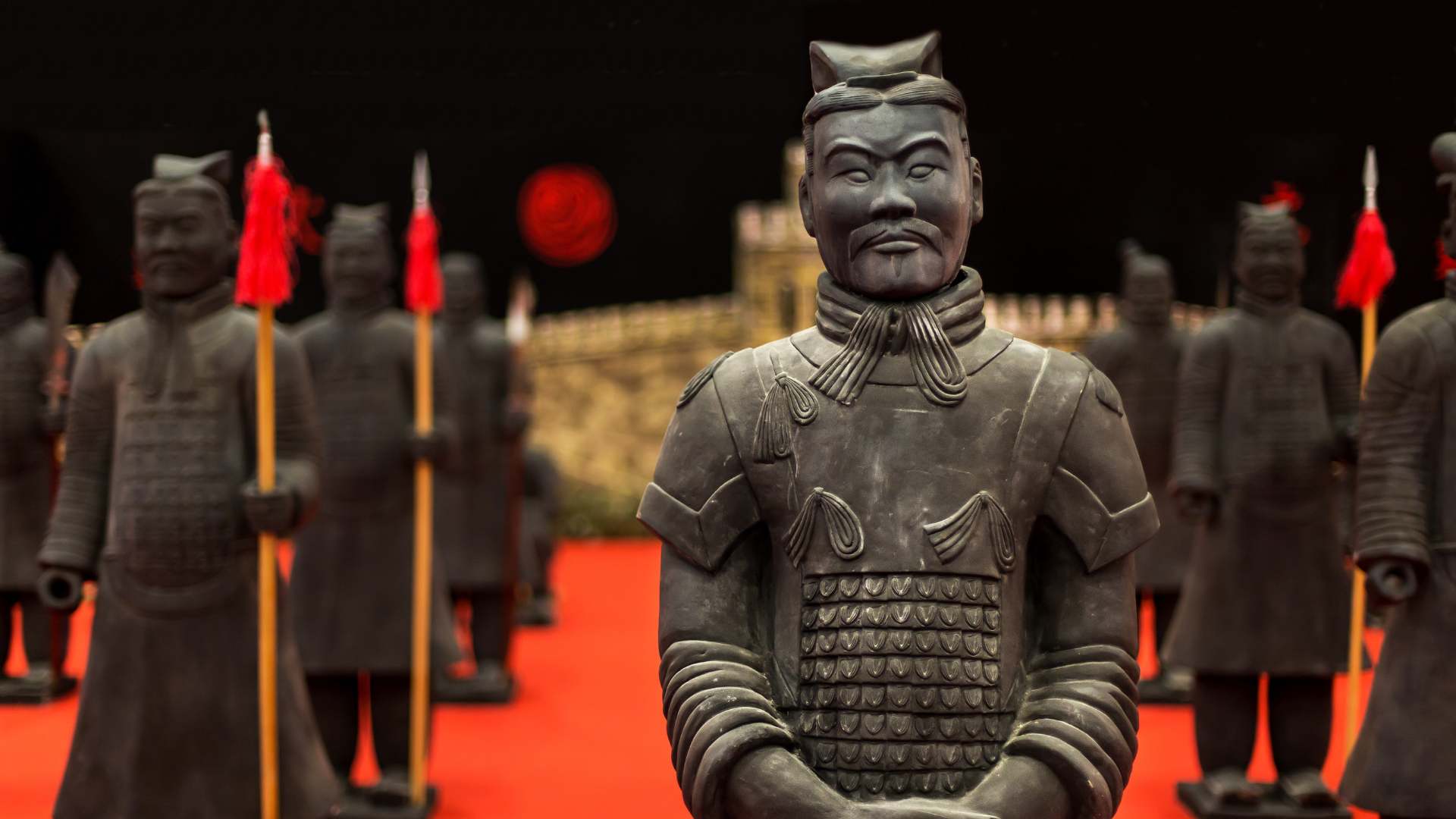
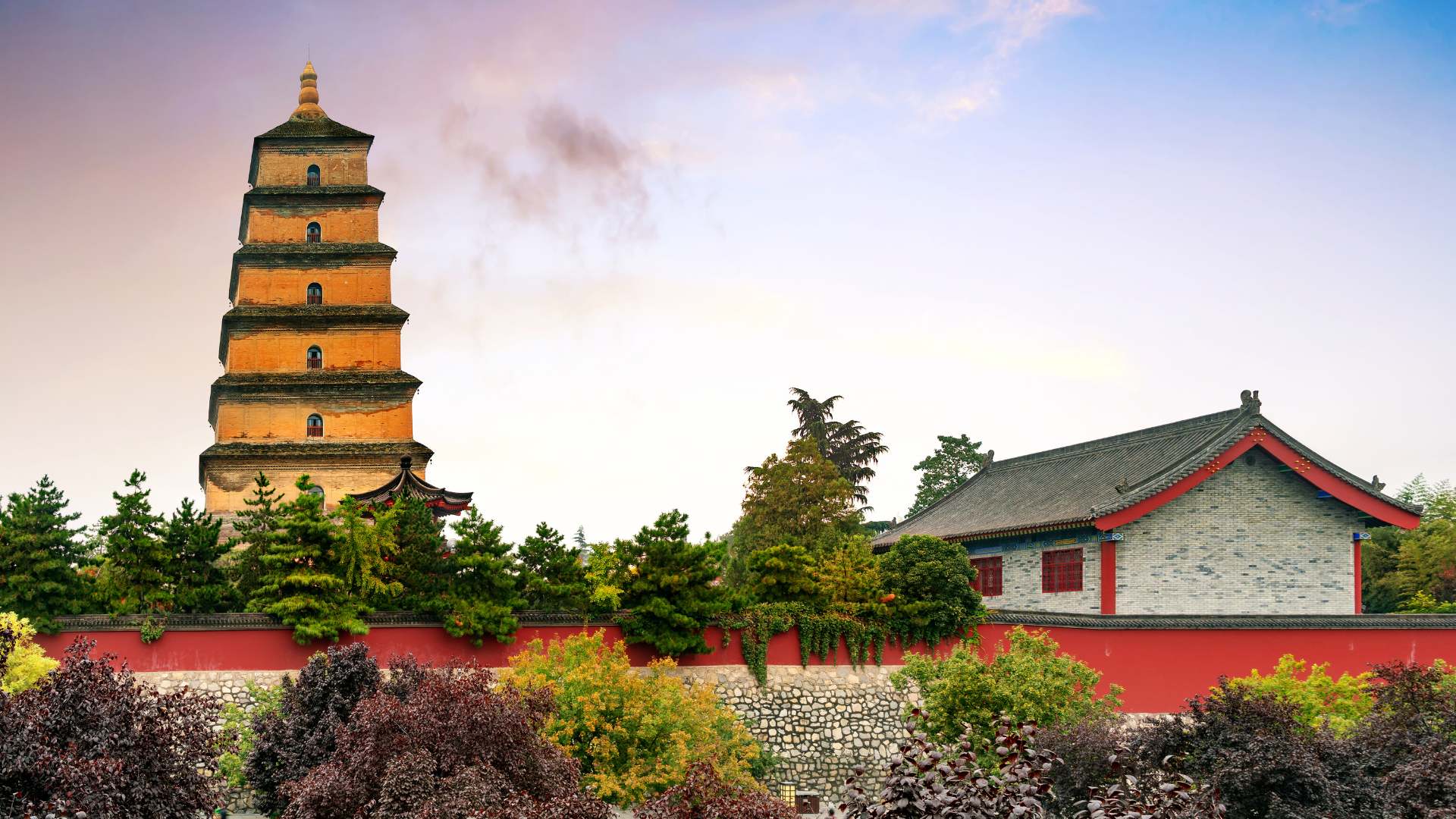
From Beijing, the route often continues to Xi'an, home to the remarkable Terracotta Warriors and ancient city walls that speak to China's imperial past. The contrast continues in the south, with time spent in Guilin and Yangshuo, where a cruise along the Li River reveals some of the country's most iconic scenery, followed by gentle exploration of rural villages and countryside.
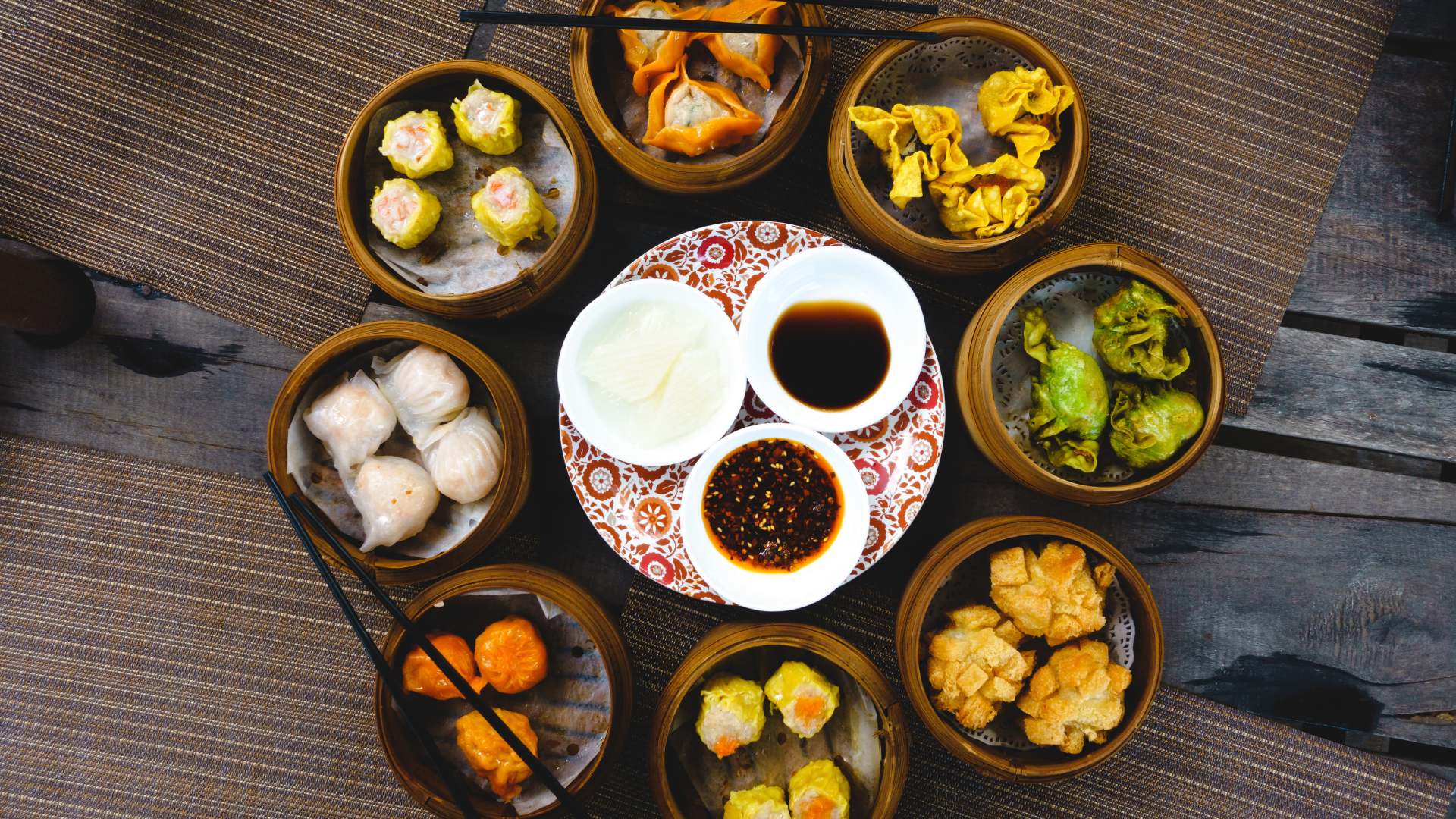
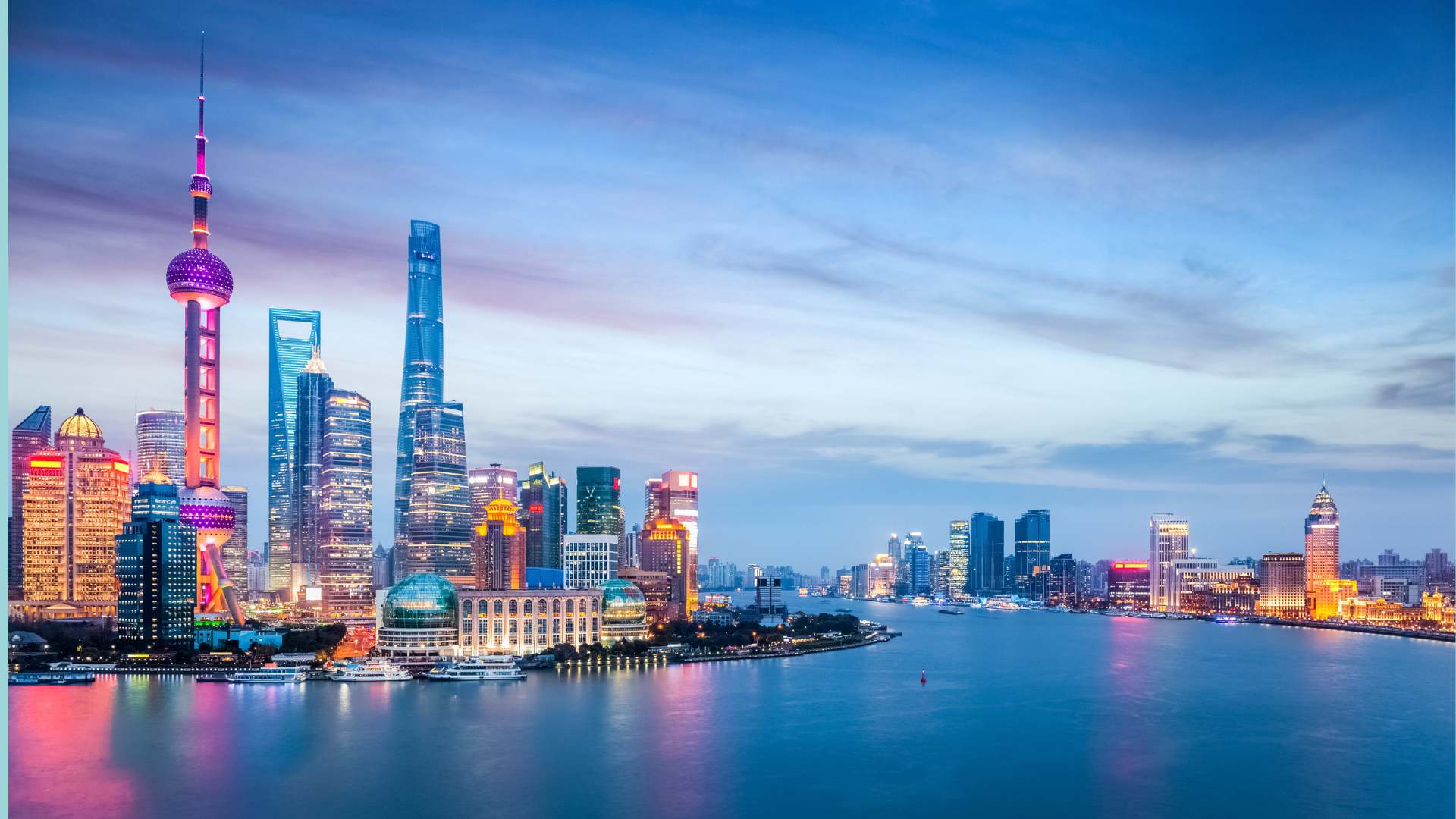
A stay near the Longji Rice Terraces introduces a slower rhythm of life, dramatic layered landscapes and minority cultures that offer a different perspective on the country. The journey usually concludes in Shanghai, a city where historic neighbourhoods sit alongside striking modern architecture. Here, time can be spent strolling the Bund, exploring the French Concession and enjoying one of China's most dynamic food scenes.
Throughout a tailor-made trip, accommodation, transport, and sightseeing are carefully coordinated, with knowledgeable local guides and private drivers ensuring everything runs smoothly. The itinerary can be adapted to suit individual interests, whether that means a gentler pace, a stronger focus on culture and history, or a higher-end accommodation.
A Trusted Escorted Tour Option: Wendy Wu Tours
For clients who value the structure, reassurance and sociability of a fully escorted group tour, Wendy Wu Tours is a name we regularly recommend and one that our clients have consistently enjoyed travelling with.
Their Grand Tour of China is a comprehensive introduction to the country, designed to showcase its most important highlights while removing any concerns about navigation, language or logistics. The itinerary typically covers key destinations such as Beijing, Xi’an, Guilin, Yangshuo and Shanghai, and includes many of the experiences travellers most want to see, from the Great Wall and the Terracotta Warriors to scenic river cruising and time spent seeing giant pandas.
What makes this style of travel particularly appealing is how seamless it is. Transport within China, accommodation, guided sightseeing, entrance fees and most meals are included, and travellers are accompanied by experienced guides who understand both the destination and the needs of Western travellers. For many clients, this provides complete peace of mind and allows them to relax and enjoy China without feeling overwhelmed.
“China is a destination that rewards curiosity and an open mind. With visa-free travel on the horizon, it feels more approachable than it has in years, but it remains a country where expert planning makes all the difference. Whether you are drawn to a tailor-made journey with private guides or the reassurance of an escorted tour with Wendy Wu Tours, the right approach can transform your experience.”
If China has been quietly sitting on your bucket list, now may be the perfect time to explore it properly. Get in touch and let us talk through the options to find the style of travel that suits you best.











Gilly's Tour Of South Africa
There are some trips that feel exciting the moment you start planning them… and this one has been giving me that feeling for months.
Next month, Brian and I are heading off on a three-week South African adventure — and I can’t wait. It’s a journey that blends stylish city stays, big landscapes, powerful history, proper safari time, beautiful coastline and the kind of slow, scenic road trip moments that South Africa does better than almost anywhere else.
It’s also one of those itineraries that reminds me why I love my job. Because South Africa isn’t “a holiday” — it’s a whole collection of experiences, stitched together into one unforgettable story.
Gilly Bachelor
First stop: Johannesburg
We’re flying Business Class with Kenya Airways, which will be our first time with them — so yes, I will be reporting back!
The honest reason we’ve chosen them? It was the best-priced Business Class option, and when you’re travelling long-haul and packing in a full itinerary, arriving rested is a total game-changer.
And here’s one of my top travel tips already built into the plan… we’ve arranged a private driver from Johannesburg airport. After a long flight, the last thing either of us wants is to navigate an unfamiliar city straight away.
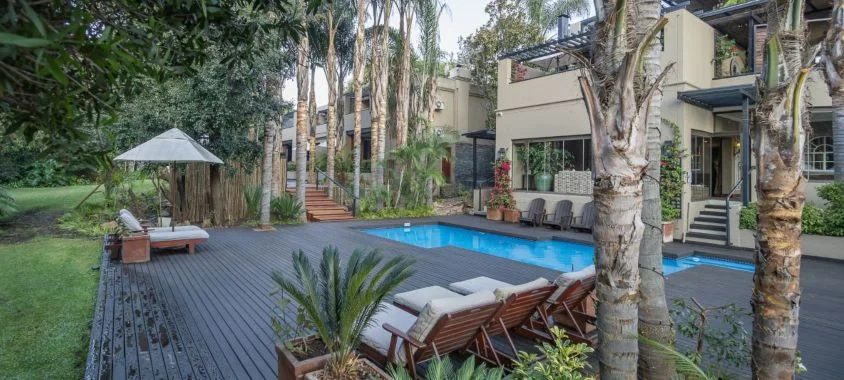
We’re starting with two nights at The Residence, which is hands down one of our favourite boutique hotels in Johannesburg. It feels like a real sanctuary — gorgeous rooms, excellent service, and a calm, luxurious atmosphere that’s perfect when you’re coming off international flights.
After those two nights, we’ll collect our hire car and hit the road. We’ll be driving ourselves for much of this itinerary, and I know that’s something that can make a lot of clients feel nervous. South Africa can look daunting on a map, and people often worry about road conditions, safety, or simply the stress of being behind the wheel somewhere unfamiliar.
But here’s the truth: we’ve driven in South Africa before and loved every second.
The Drakensberg: breathtaking scenery and a slower pace…
- From Johannesburg, we’ll be heading to the Drakensberg Mountains, and this part of the trip is all about space, stillness and scenery that makes you stop in your tracks.
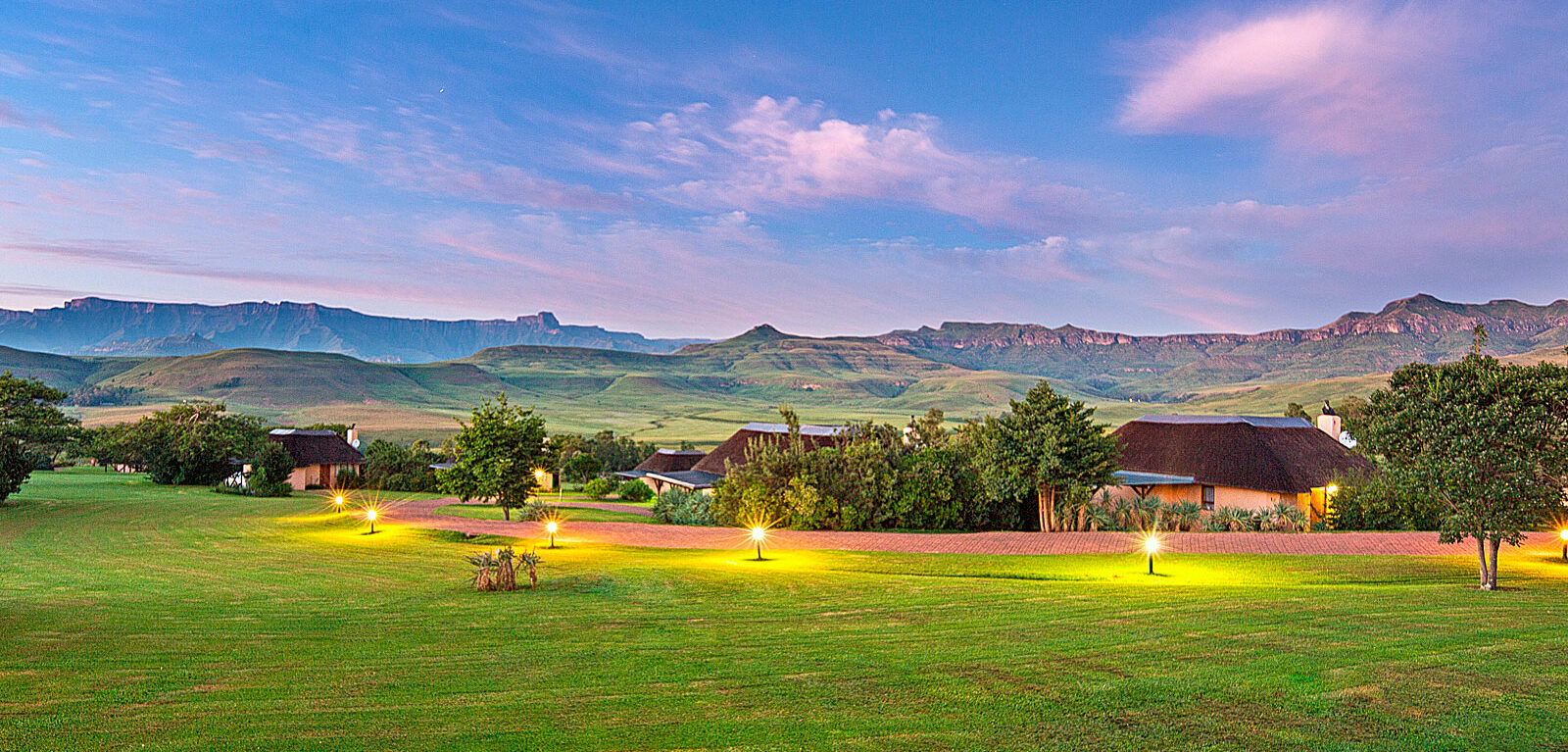
- We’re staying at Montusi Mountain Lodge, set against the dramatic Amphitheatre escarpment. Mornings here are for fresh air and mountain views, and the days can be as active or as relaxed as you feel. Walks, waterfalls, birdlife, quiet moments with a coffee… it’s exactly the kind of place that resets you.
A deep dive into history: Fugitives’ Drift
- One of the most meaningful parts of the itinerary is our stay at Fugitives’ Drift, known for its extraordinary battlefield tours. This isn’t just sightseeing — it’s storytelling, brought to life in the landscape itself. These are the moments travel is really capable of: giving you perspective, connection, and a deeper understanding of a place.
Safari time: the magic of the bush
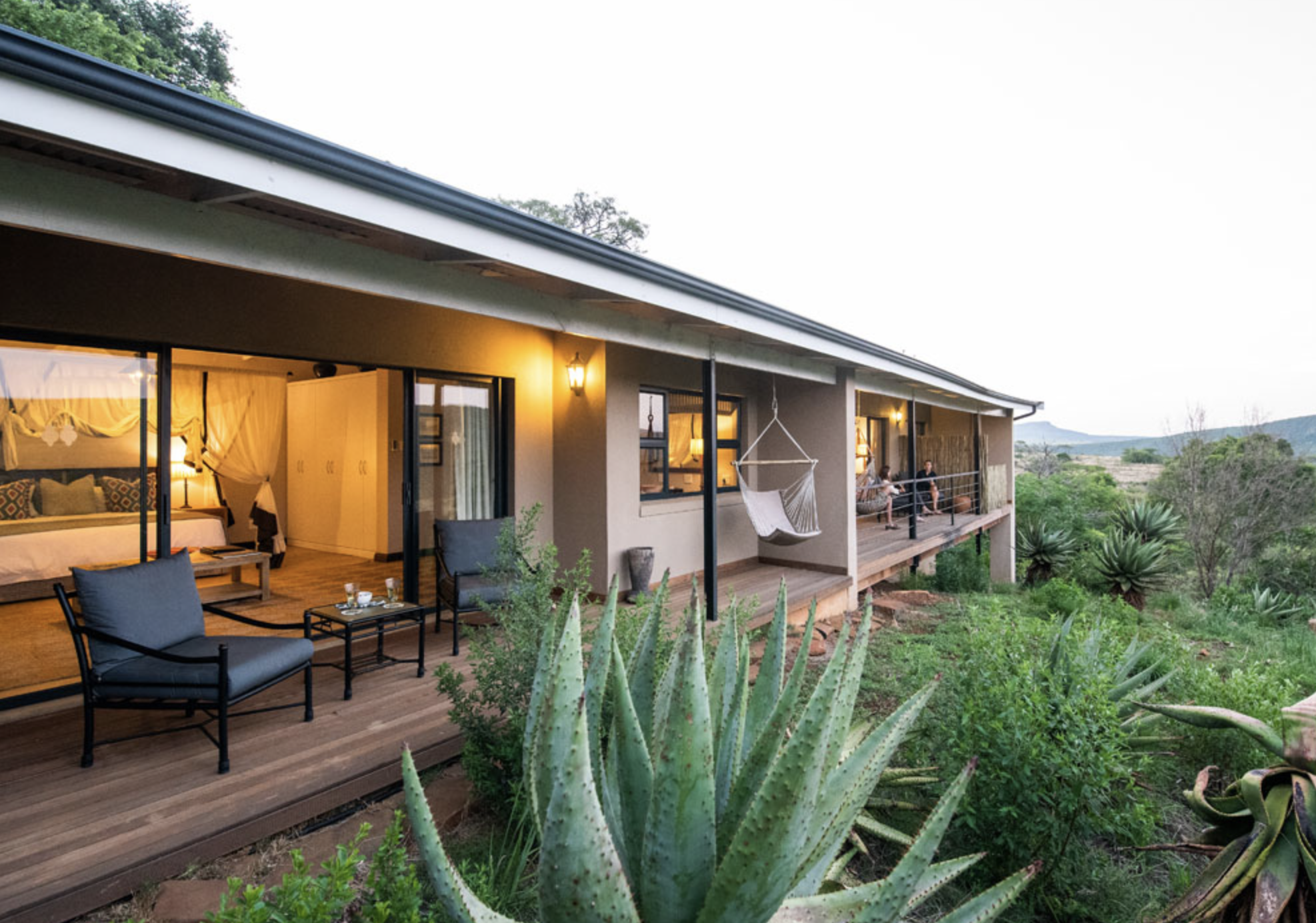
- Next we will be heading to Mavela Game Lodge, located in a private reserve in KwaZulu-Natal, and it’s the kind of experience that stays with you long after you get home. Early mornings, warm hospitality, expert guides, and that constant sense of anticipation — because you never know what’s around the next bend.
- The Big Five are always exciting, but some of the most special moments in Africa aren’t always the “big” sightings. It’s the atmosphere, the light, the sounds, and that feeling of being completely immersed in nature.
A glamorous pause by the ocean: The Oyster Box
- After the bush, we’ll swap dusty tracks for sea air and a touch of coastal glamour at The Oyster Box in Umhlanga. Classic elegance, ocean views, exceptional cuisine — the perfect place to exhale after early starts and game drives.
Hermanus and Thatch House: Brian’s favourite stop
- From Durban, we’ll fly down to Cape Town and head to Thatch House Boutique Hotel near Hermanus, which has become a bit of a home from home for us.
- Hermanus may be out of whale season when we visit, but it’s still one of my favourite coastal escapes — and for Brian, Thatch House is non-negotiable. Its combination of luxury, personal service, beautiful surroundings and a real sense of calm makes it the perfect place to recharge before the final stretch of our adventure.
It’s also a reminder that travel is at its best when it balances the destinations we love with the destinations we need to experience.
A wild and wonderful finale in the Cederberg
- To finish, we’re heading into the Cederberg Mountains to stay at Simbavati Cederberg Ridge, where rugged landscapes, fireside evenings, farm-to-table dining and star-filled skies await. Here, we’ll hike, explore the fynbos scenery, and simply savour the peace and beauty of one of South Africa’s most dramatic regions.
Why I’m excited to share this trip
This itinerary is such a perfect reminder of what South Africa does brilliantly: contrast.
City energy and wide-open silence; History and adventure; Luxury and wilderness. Mountains, bush, coastline and countryside — all in one journey. And throughout our trip, I’ll be sharing plenty of insights (including our first experience flying Kenya Airways in Business Class, and what it’s really like driving yourself across the country), as well as practical, honest advice for clients who dream of visiting South Africa themselves.
If South Africa has been on your “one day…” list, consider this your gentle nudge. Sometimes one day becomes much closer than you think.
Gillyx
Why not get in touch to start planning your South African adventure?


Christmas on the Danube
A River Cruise Through Central Europe’s Festive Heart
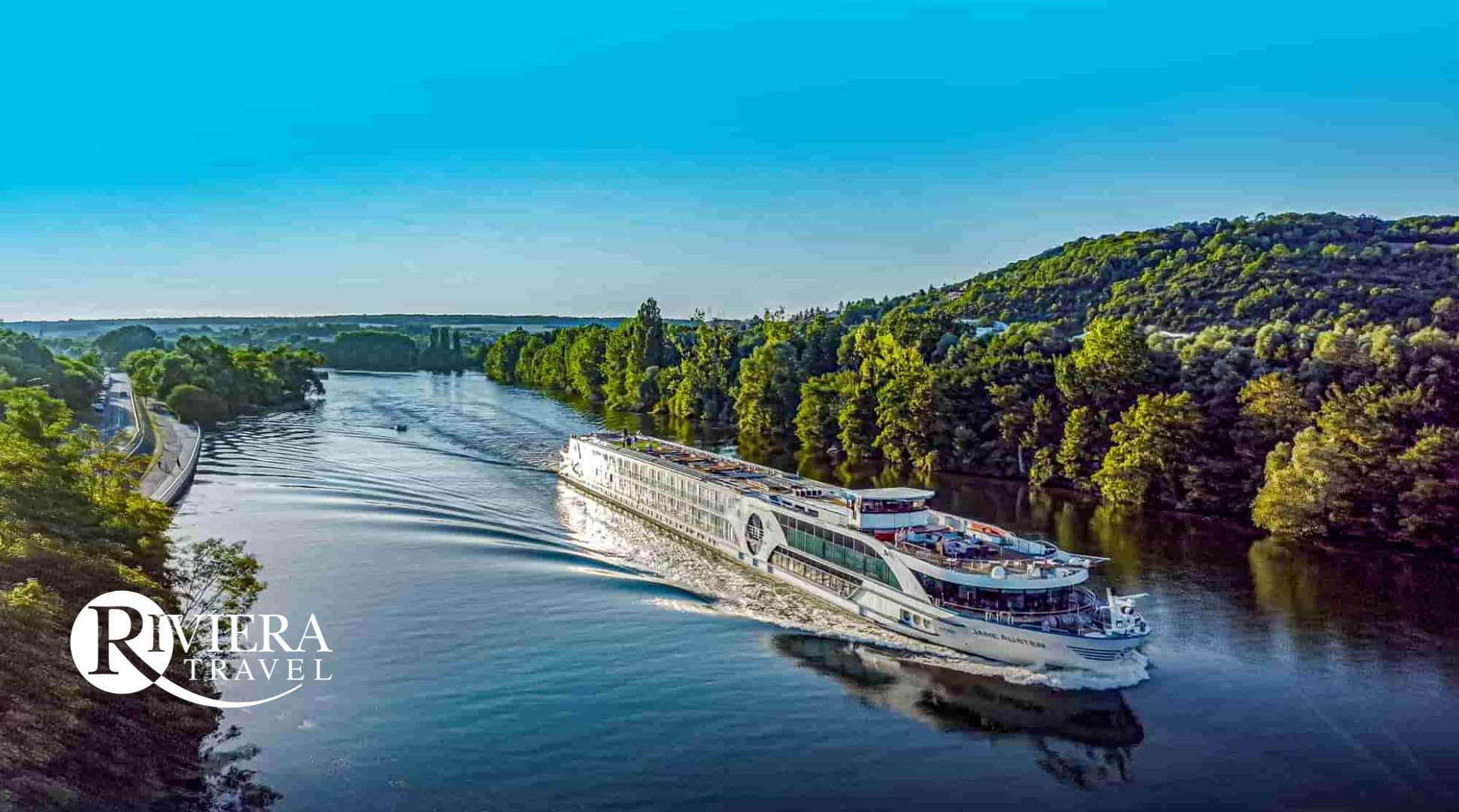
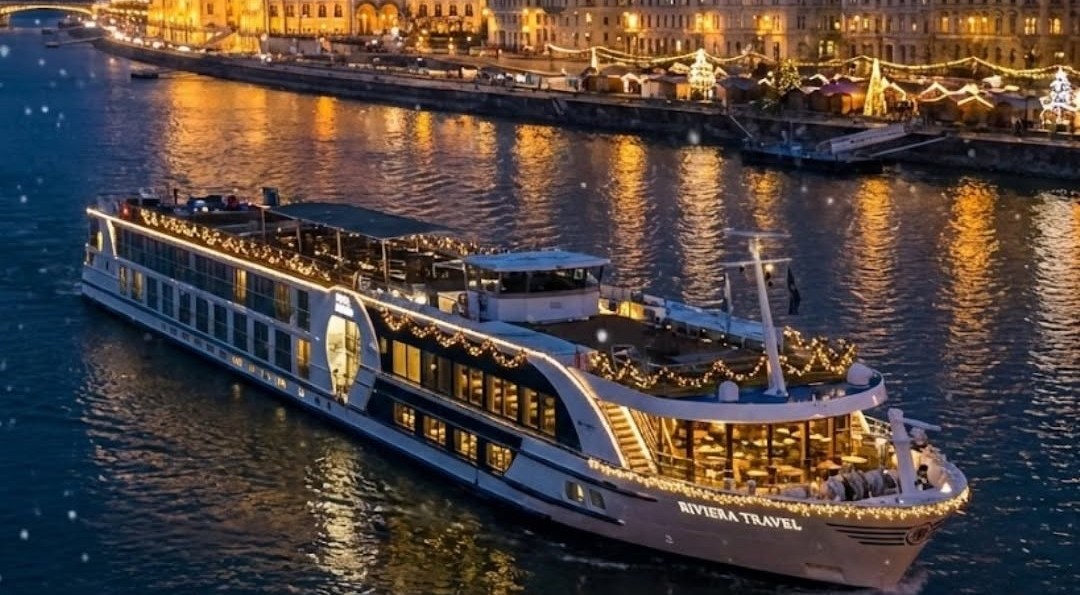
Last year, my husband and I sailed the Danube aboard Riviera Radiance, discovering some of Central Europe’s most stunning cities, and it was truly unforgettable.
In this article, I share the highlights of the journey, along with tips and insights for anyone considering a river cruise.
– Gilly x
Day One: Esztergom – A Historical Introduction
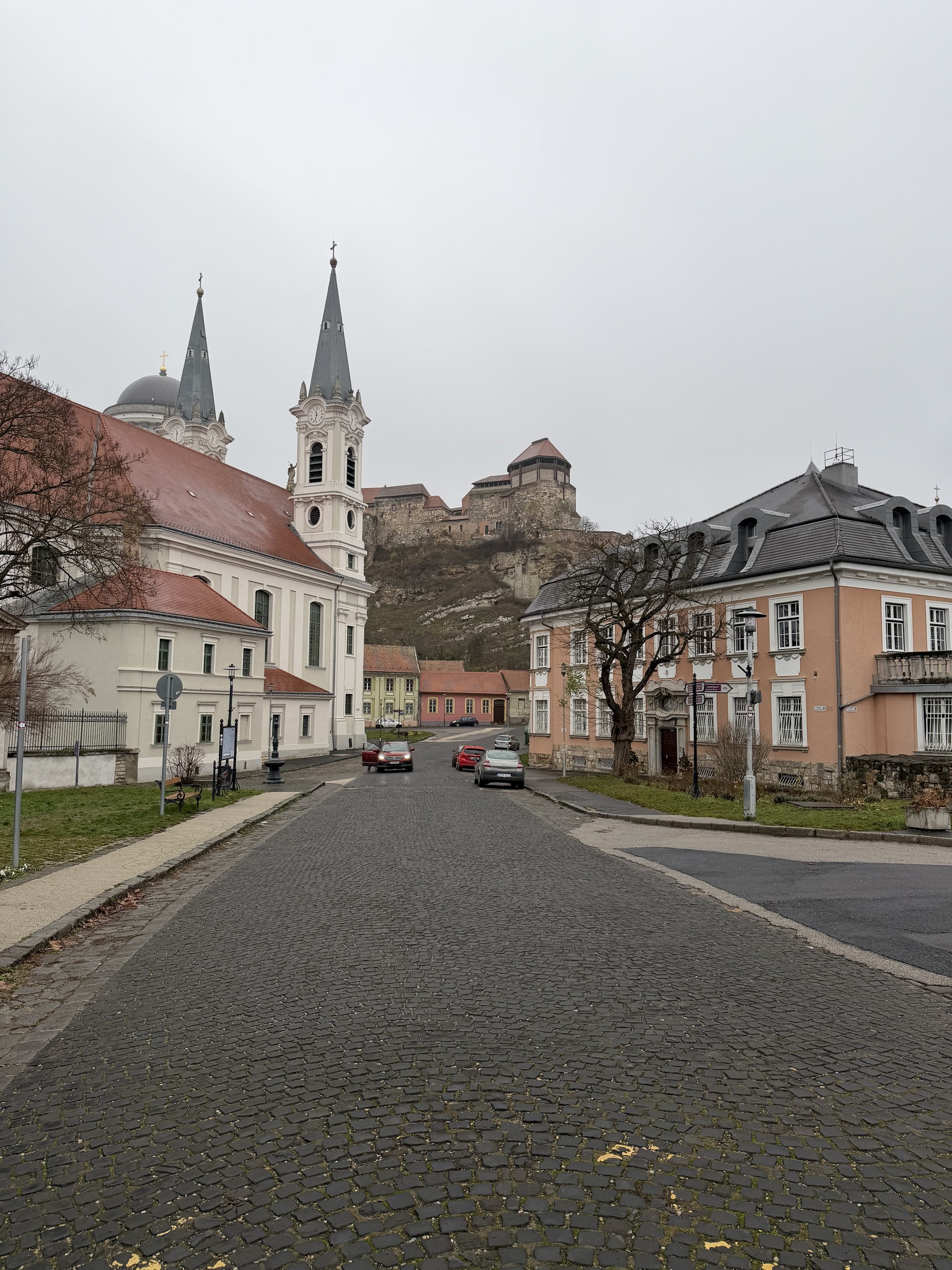
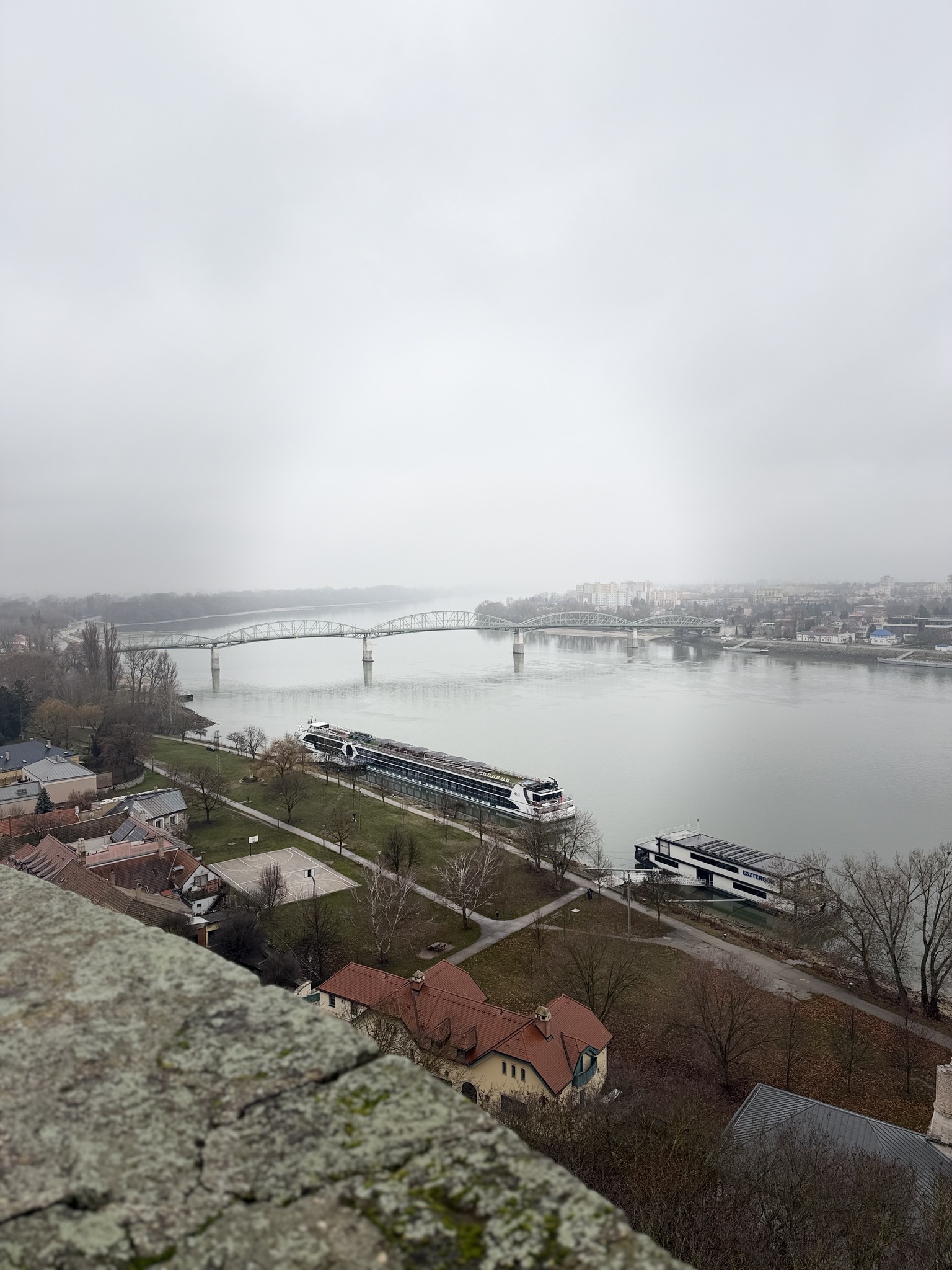
After flying straight into Budapest, we boarded Riviera Radiance and began our journey with a visit to Esztergom, one of Hungary’s most historically significant towns. Once the seat of Hungarian kings and still the ecclesiastical centre of the country, Esztergom’s position on the Danube has made it strategically and culturally important for centuries.
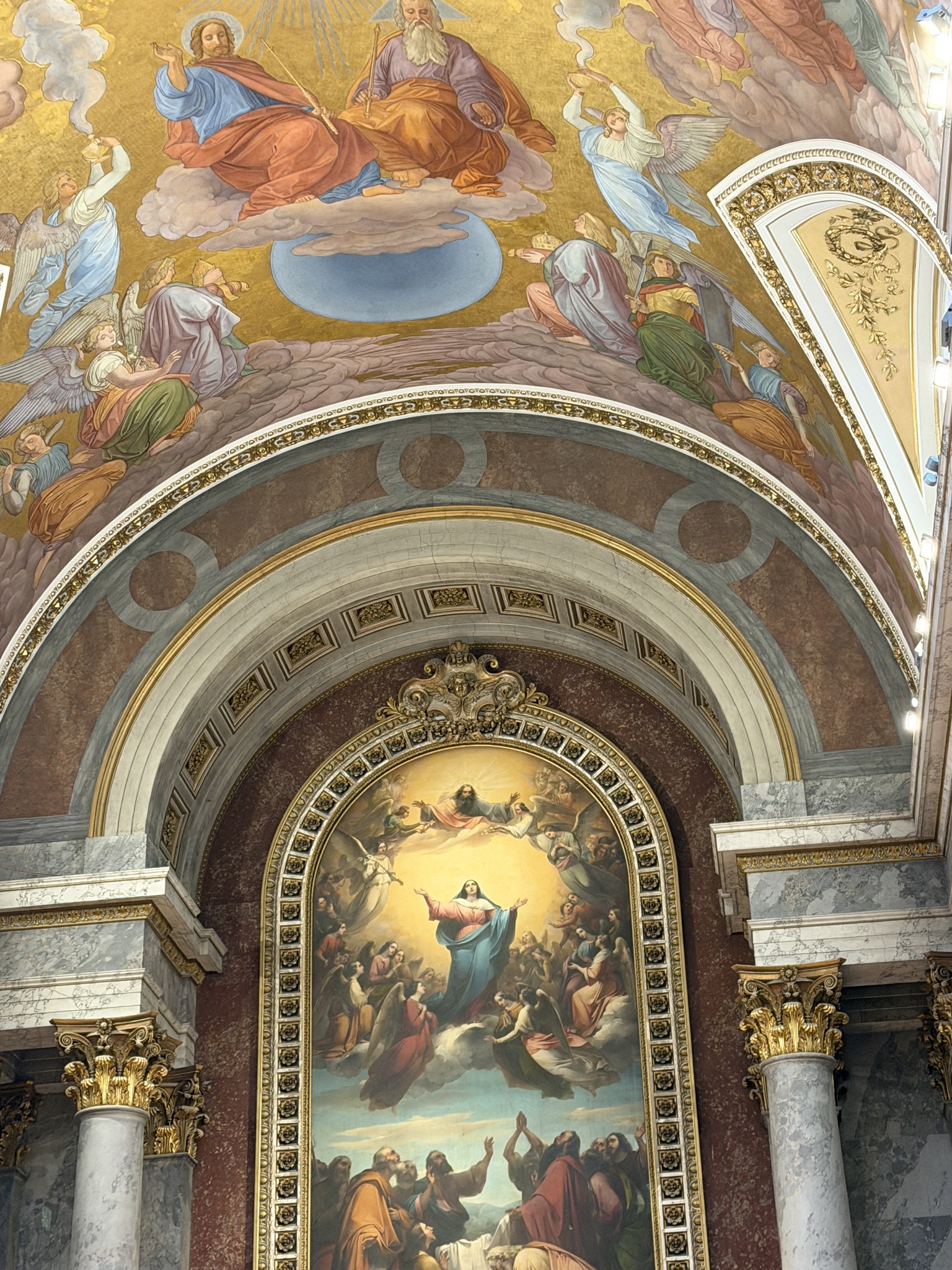
The highlight is undoubtedly Esztergom Basilica, the largest church in Hungary and one of the largest basilicas in Europe. Built in the 19th century on a site with over a thousand years of church history, the scale inside is breathtaking. Enormous columns, richly decorated chapels, and the largest altarpiece painted on a single canvas in the world create an awe-inspiring atmosphere. From the dome, the views across the Danube and into Slovakia are spectacular.
Starting our cruise with Esztergom was a wonderful introduction to Hungarian history and culture, and we saved Budapest itself for the end, three full days to explore the capital properly.
River Cruising Insight:
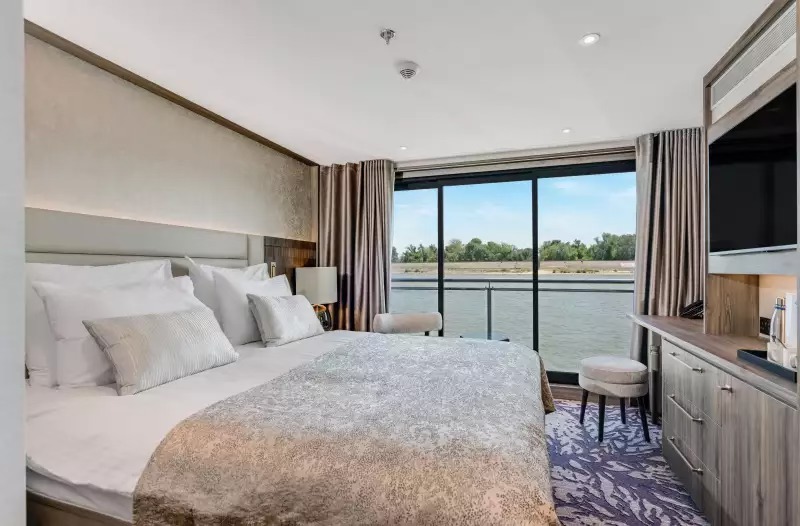
One of the things I love most about river cruising is docking right in the city centre. You can join organised tours or simply wander off at your own pace, making it perfect for those who love flexibility. However, be aware that cabins are compact. Ours on the Diamond Deck measured approximately 16 square metres, thoughtfully designed but cosy. The largest cabins available are around 32 square metres, so don’t expect the expansive space of luxury ocean cruise ships.
Day Two: Bratislava – Compact and Characterful
Bratislava is one of those cities that really suits river cruising — compact, characterful, and easy to explore with plenty packed into a small area.
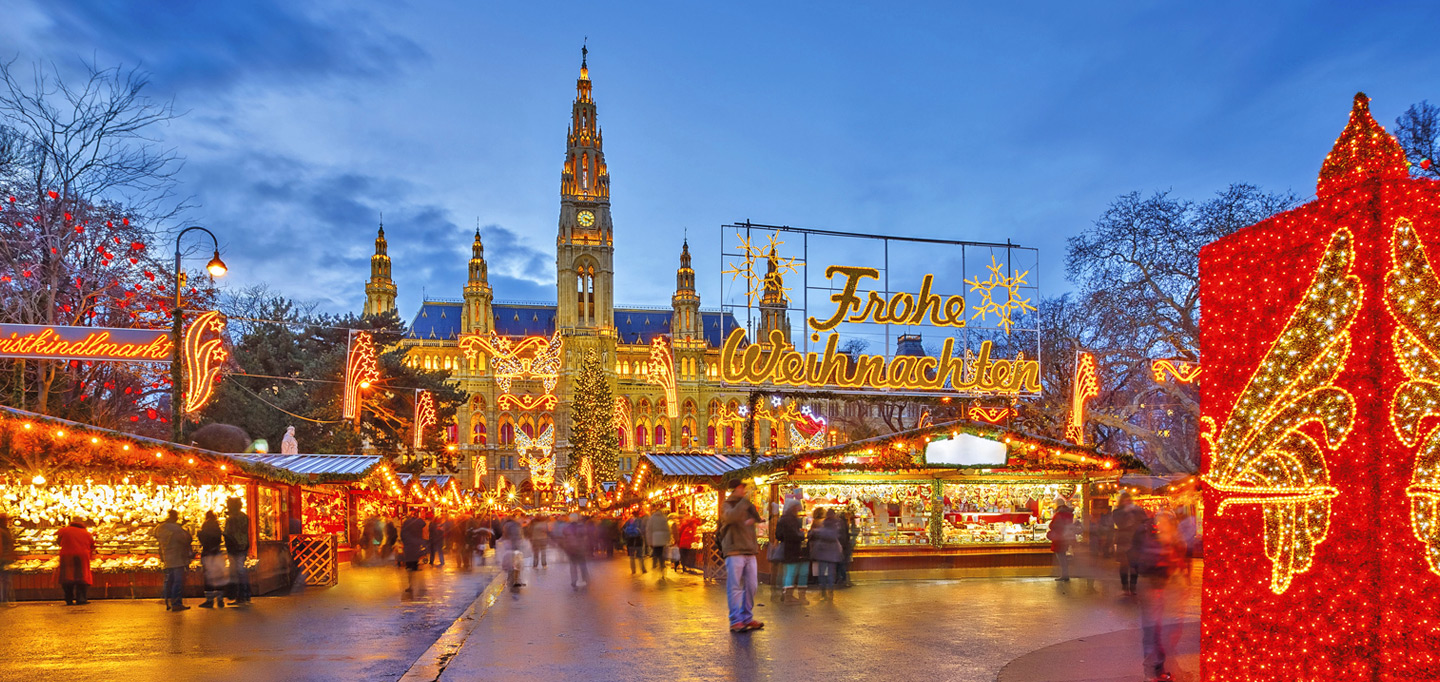
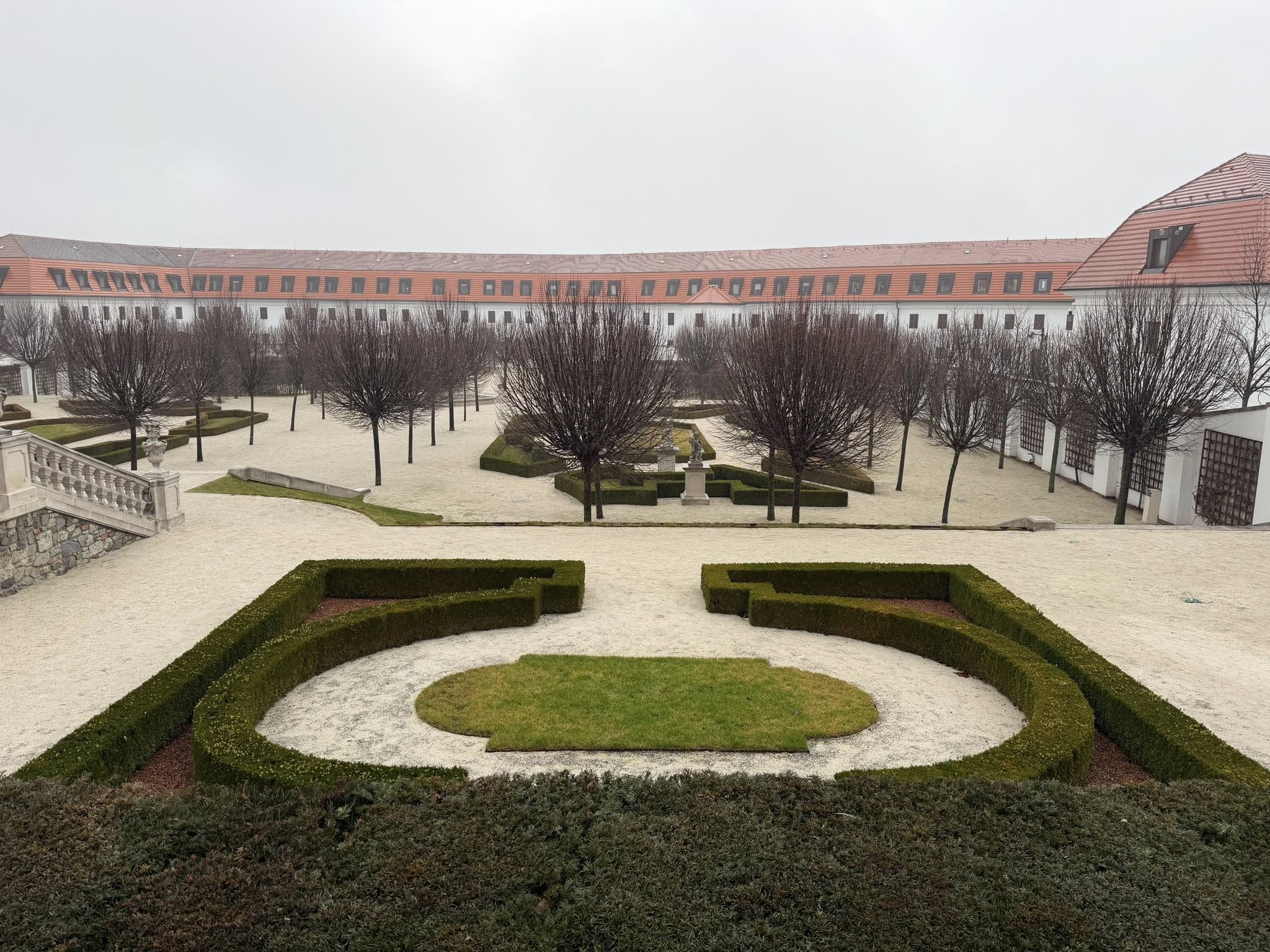
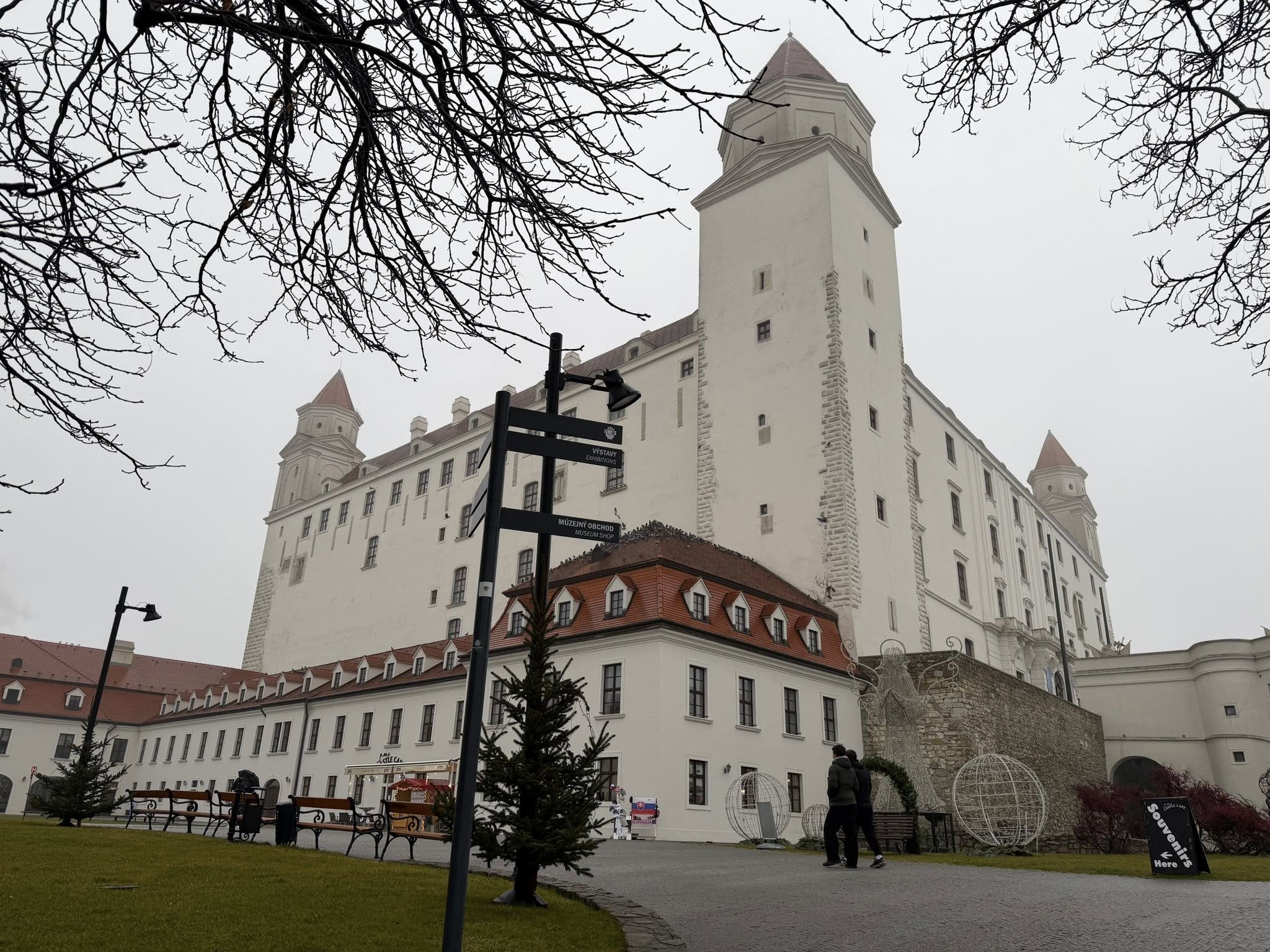
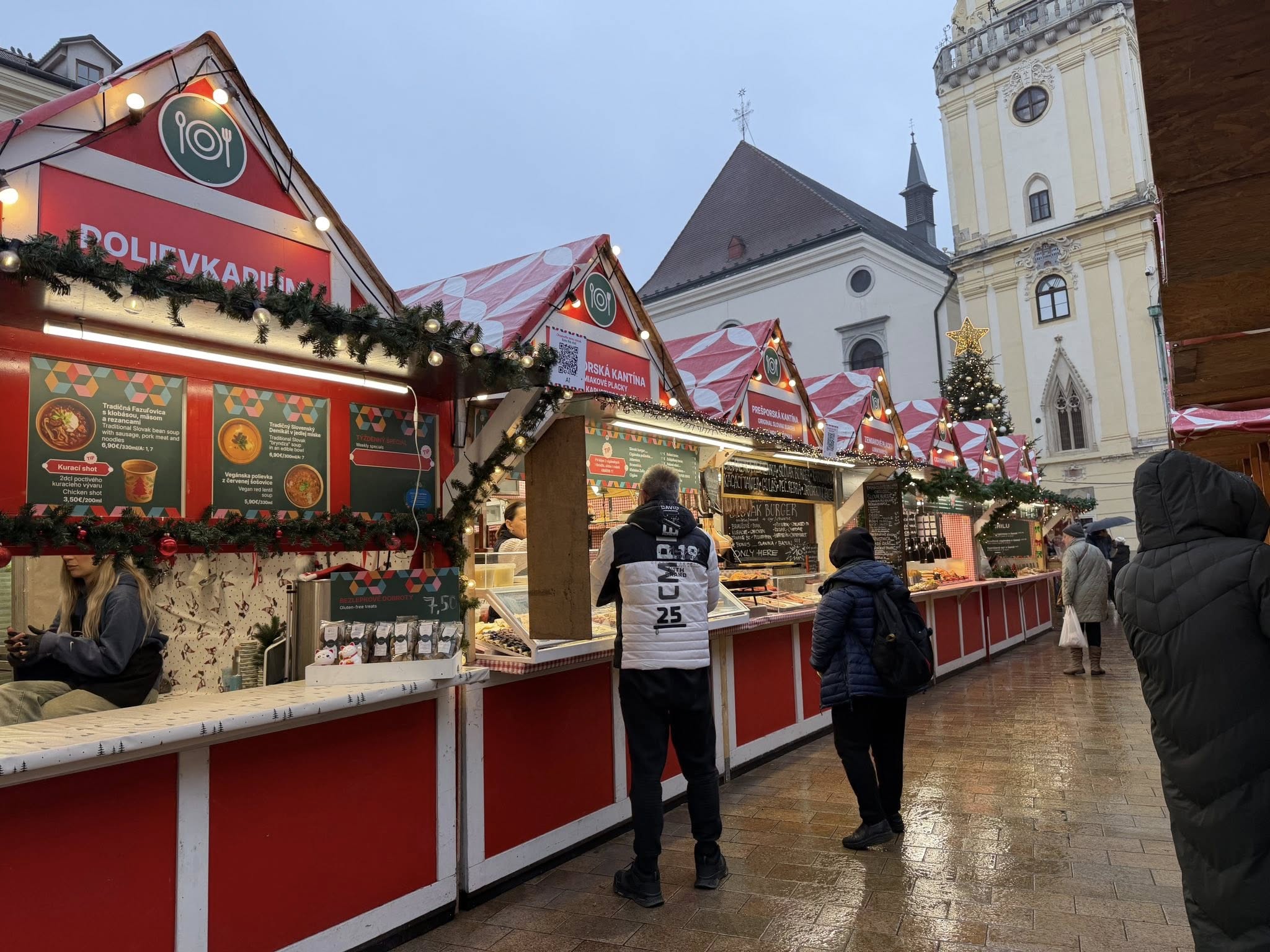
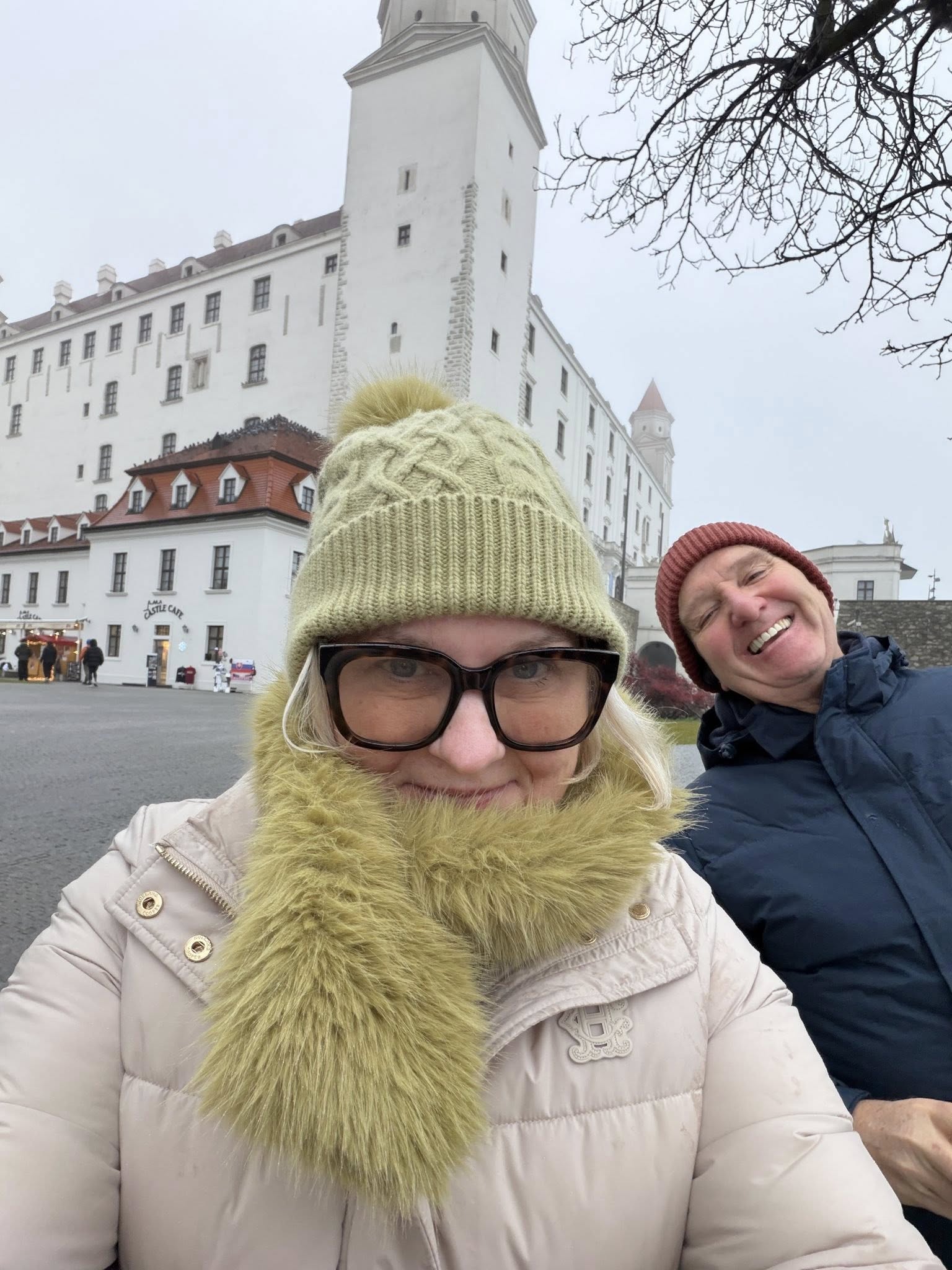
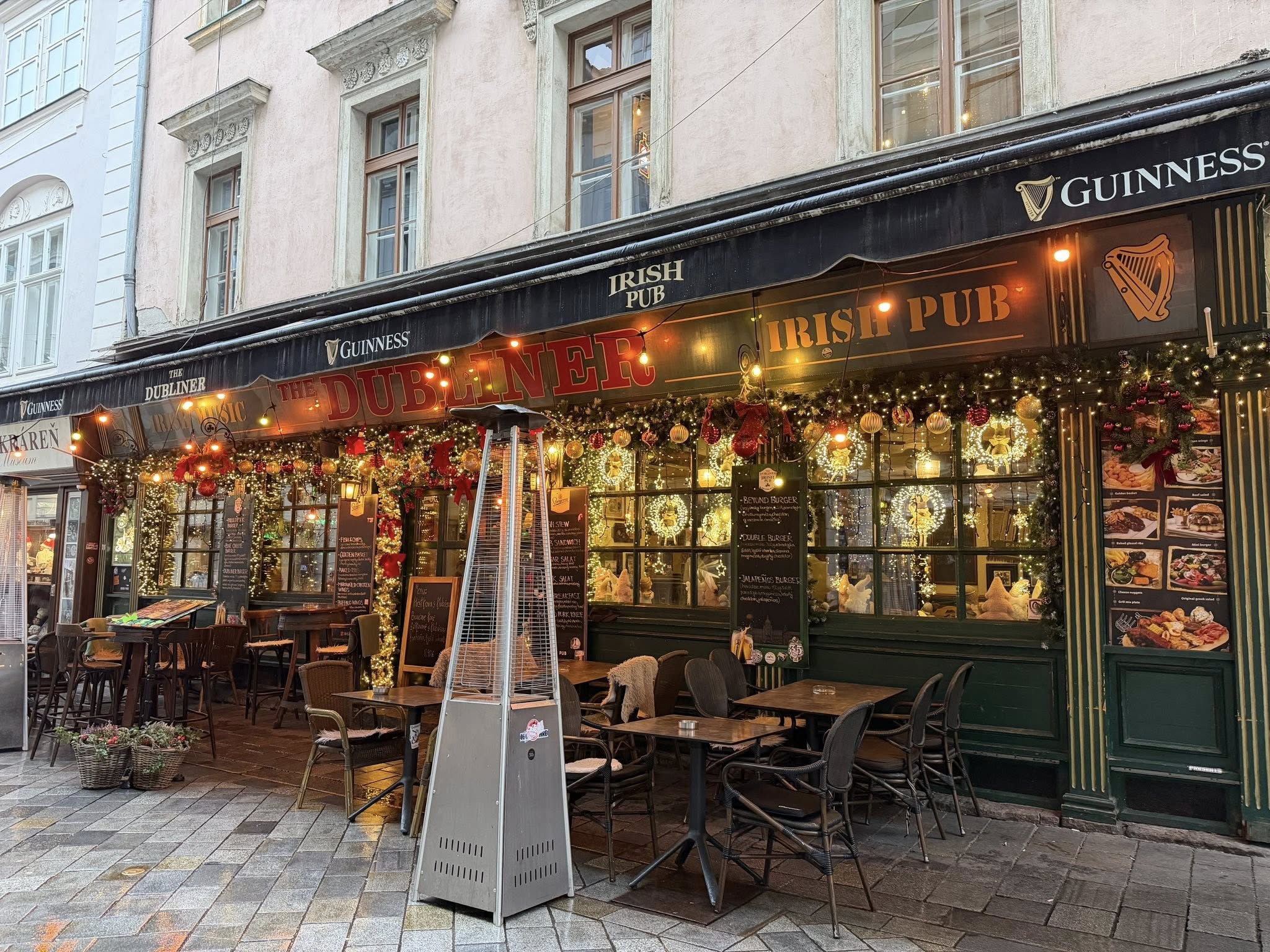
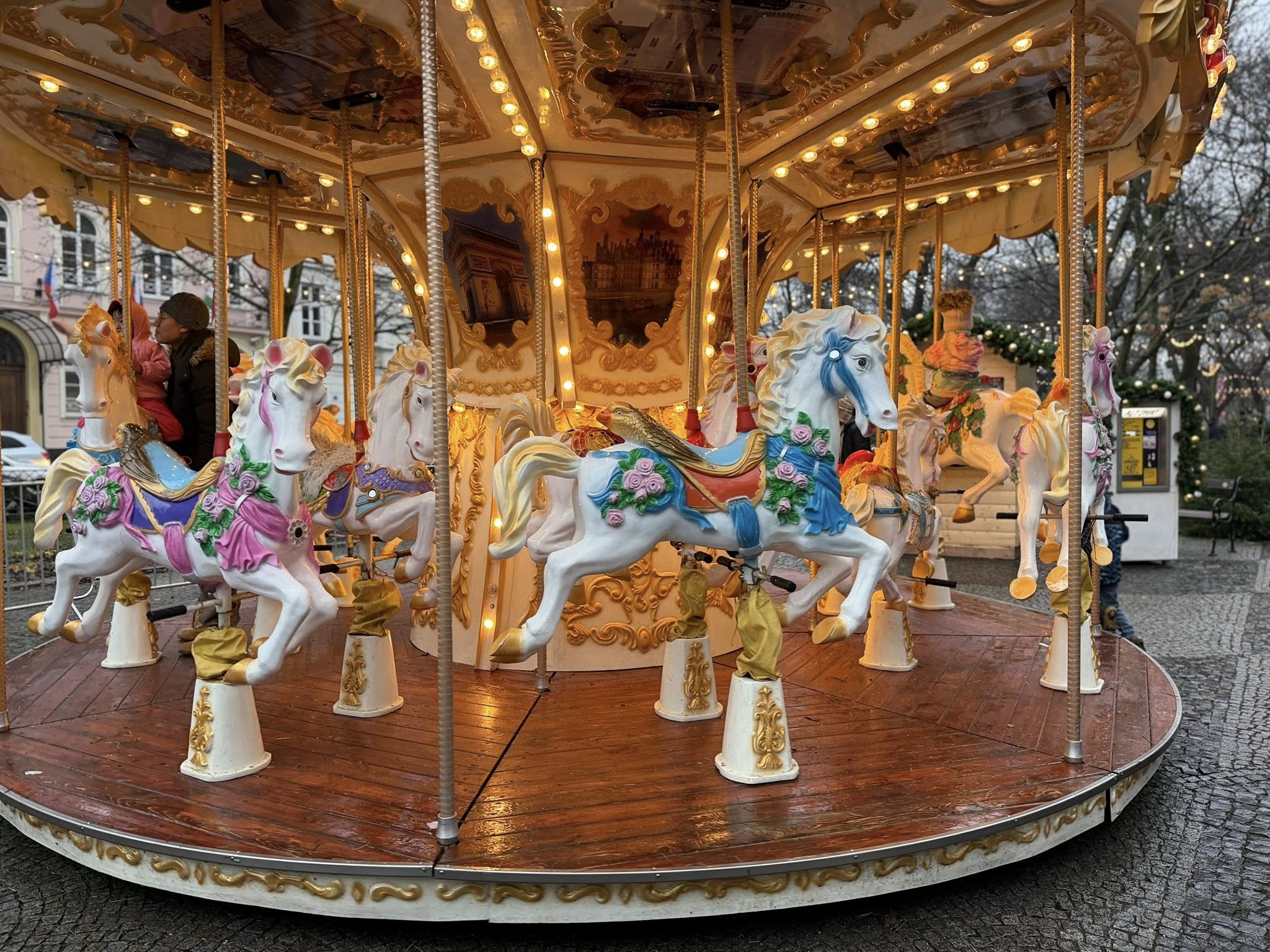
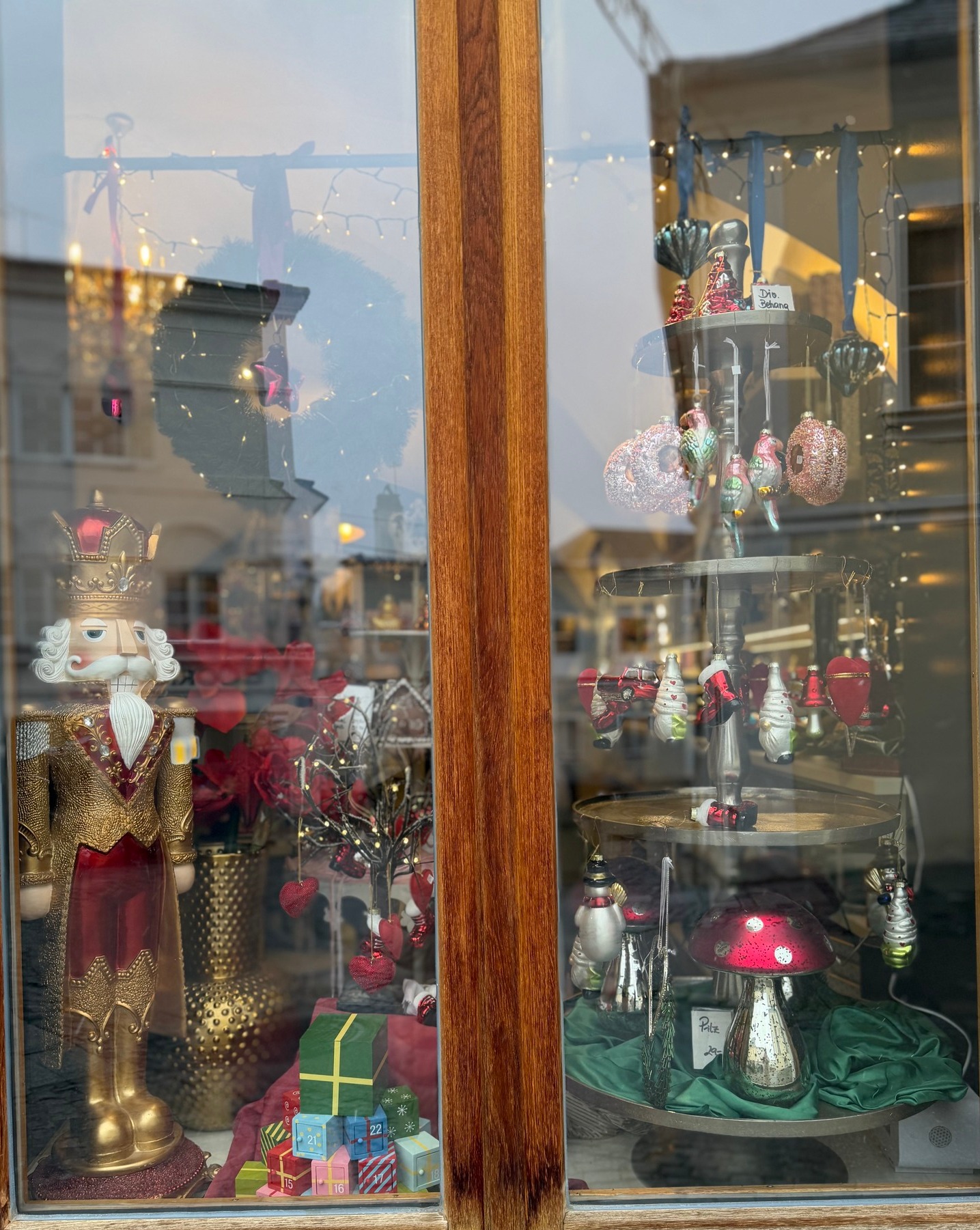
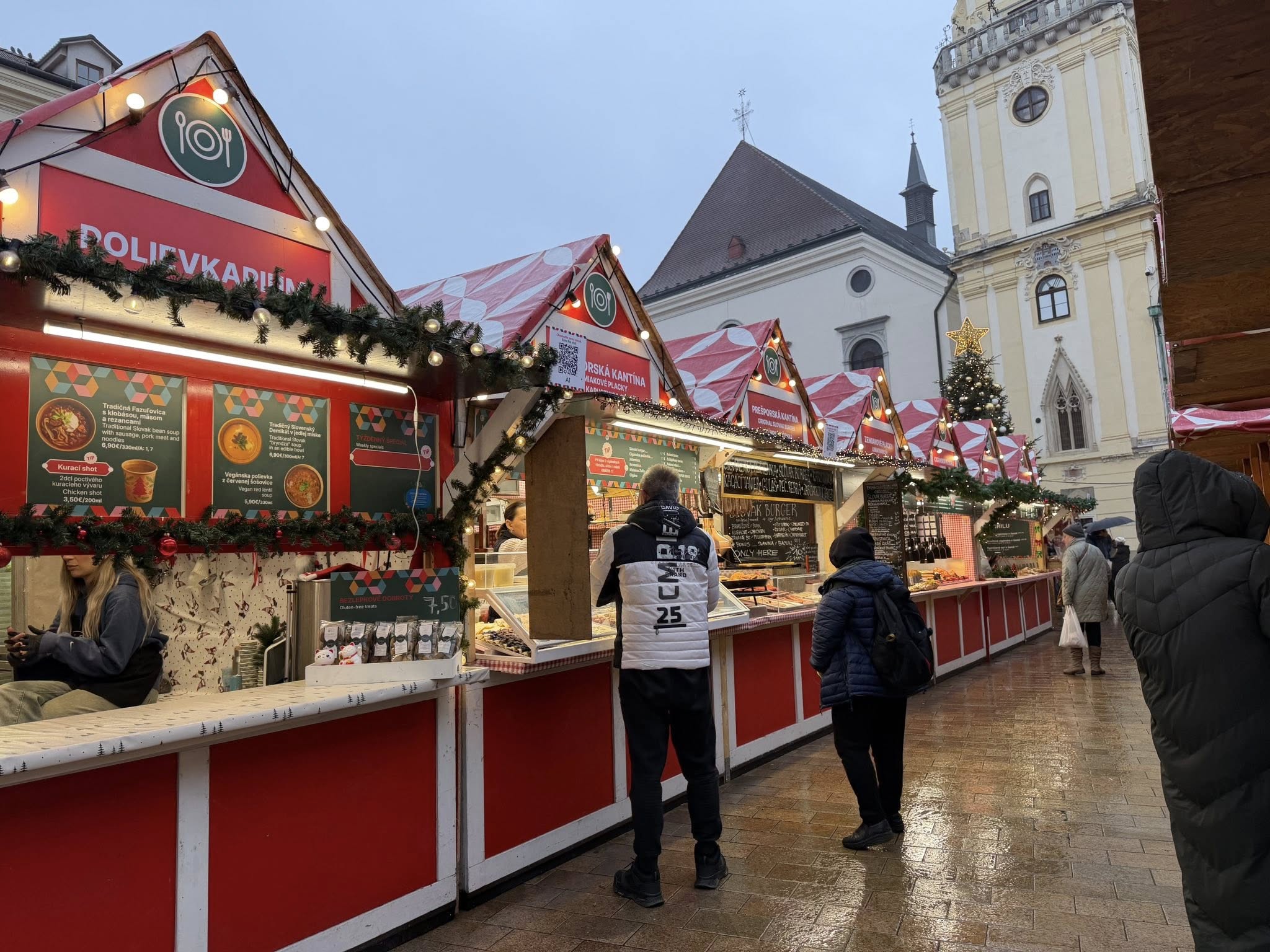
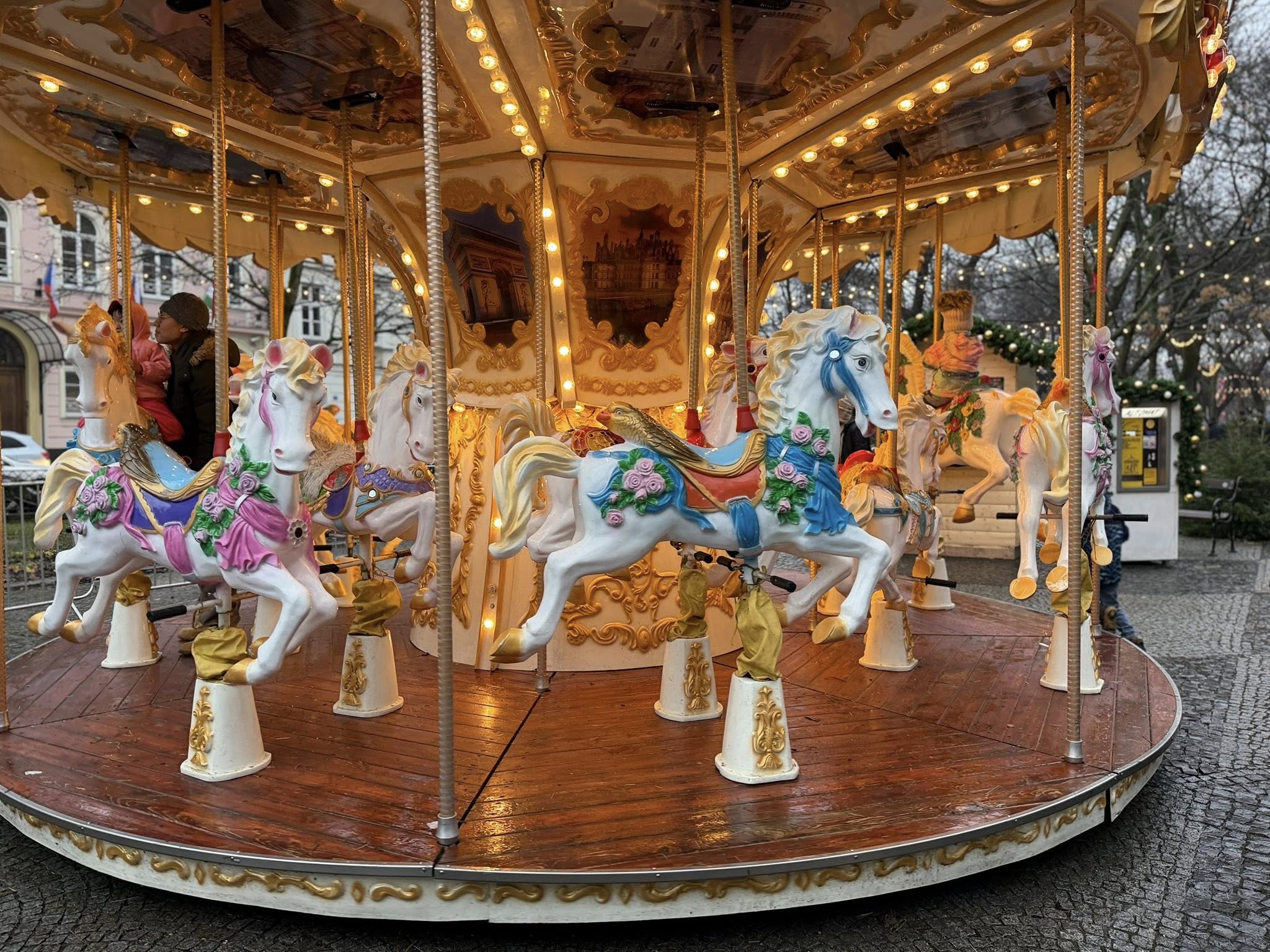
We visited Bratislava Castle, sitting high above the Danube with fantastic views over the city (and across to Austria on clear days), before heading down into the Old Town. Cobbled streets, pastel buildings, cosy cafés, and at that time of year, not one but two Christmas markets, each with its own feel. Festive stalls, mulled wine, local food, and that lovely buzz you only get in historic city centres at Christmas.
What You’ll Love: Unpacking once and enjoying a string of city breaks. Each day brought a new destination, but you returned to the same cabin, the same bed, and a familiar ship. It was relaxed, efficient, and wonderfully civilised.
What You Need to Know: In popular cities, you may experience “rafting” — where ships moor side by side, meaning you walk through another ship to reach your own. We did this in Budapest. Two things to consider: mobility (it often means stairs, gangways, and uneven surfaces) and your cabin view (which may be another ship rather than the scenic river). On a previous cruise on the Rhône, there was a gentleman on the ship alongside ours enjoying his morning routine with curtains wide open and very little clothing on. Memorable — not for scenic reasons!
Day Three: Melk – Abbey Splendour and Snowy Streets
On the morning of day three we docked in Melk, and I instantly loved the town, with quaint streets, little independent shops, cosy coffee houses, all made magical by light flurries of snow. It felt properly Christmassy.
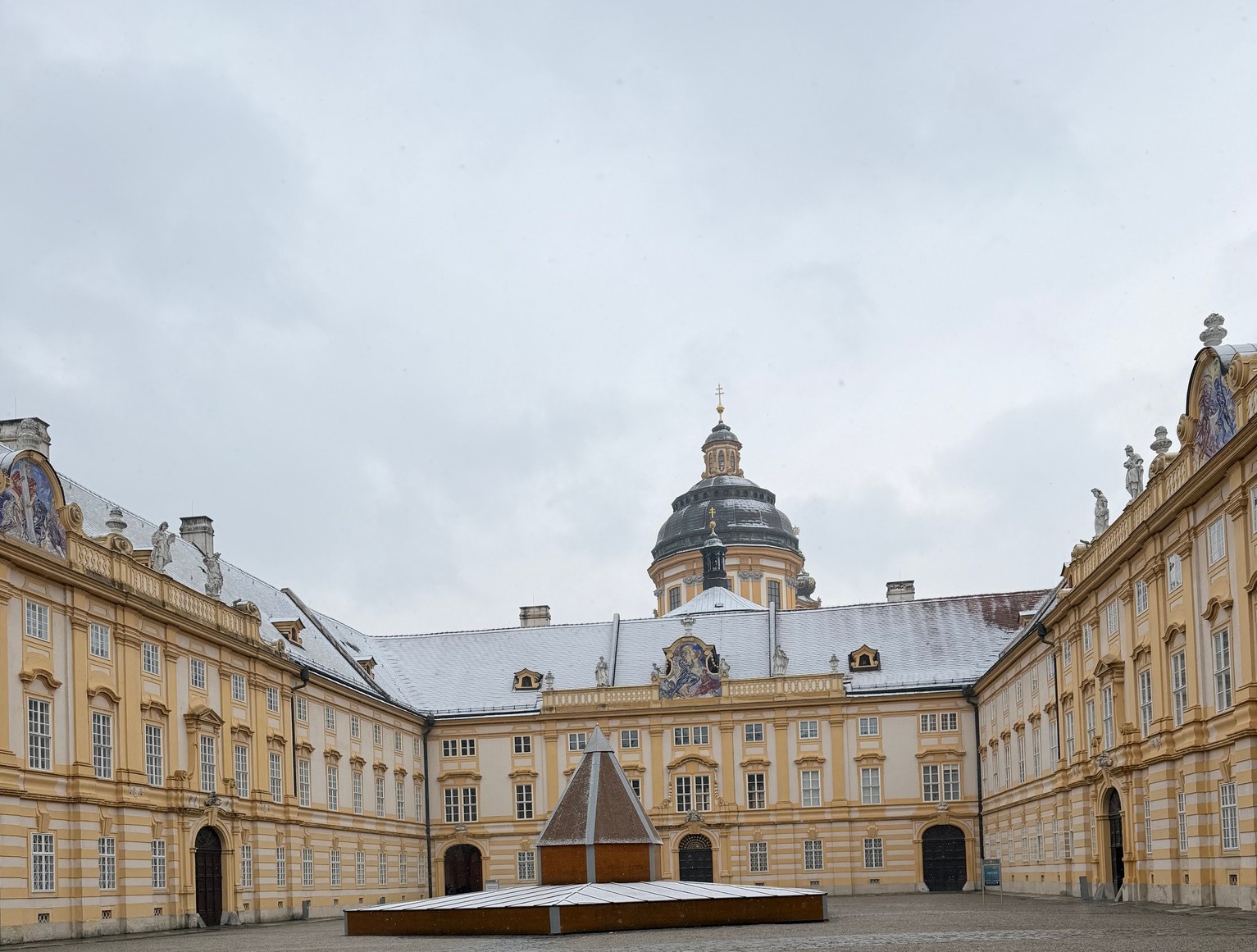
We skipped the organised excursion and walked to Melk Abbey independently, something I’m really loving about river cruising. Docking right in the heart means easy independent exploration (though most guests choose the excellent included excursions).
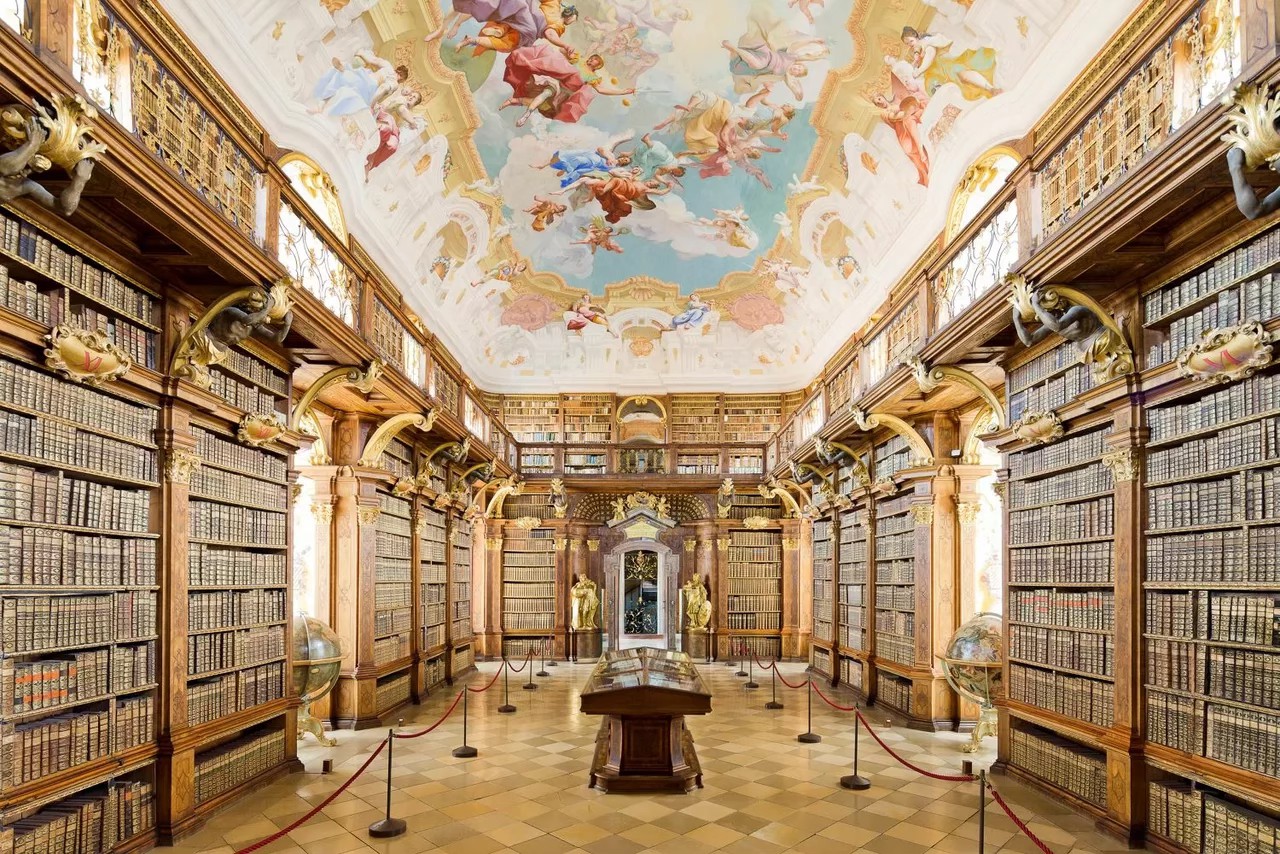
Melk Abbey itself is incredible. Founded in 1089, its Baroque church shimmers with frescoes and gold leaf, all painstakingly restored during a 40-year refurbishment completed in 2018. Photos aren’t allowed inside, but trust me… it’s stunning.
What You’ll Love: If you’re worried about seasickness, it’s really not an issue, the sailing is incredibly smooth.
What You Need to Know: You might be surprised by engine noise and vibration in your cabin. We were shook awake on our first night, and we were on the top deck at the very back (where the engines are!). However, we were heading upstream from Budapest to Linz at the time, so the engine were working harder, downstream is much smoother. Lower deck cabins would feel this more.
Day Four: Christmas Day in Linz – Unexpected Magic
We woke on Christmas morning docked in Linz, with sunshine and a dusting of snow. One of the things I really appreciated about this cruise was the freedom of choice each day.
From Linz, guests could explore locally or take a day trip to Salzburg. We chose to stay in Linz, and on Christmas Day it felt exactly right. Linz is very walkable, and I’d recommend seeing the New Cathedral. But our most memorable moment came somewhere much smaller.
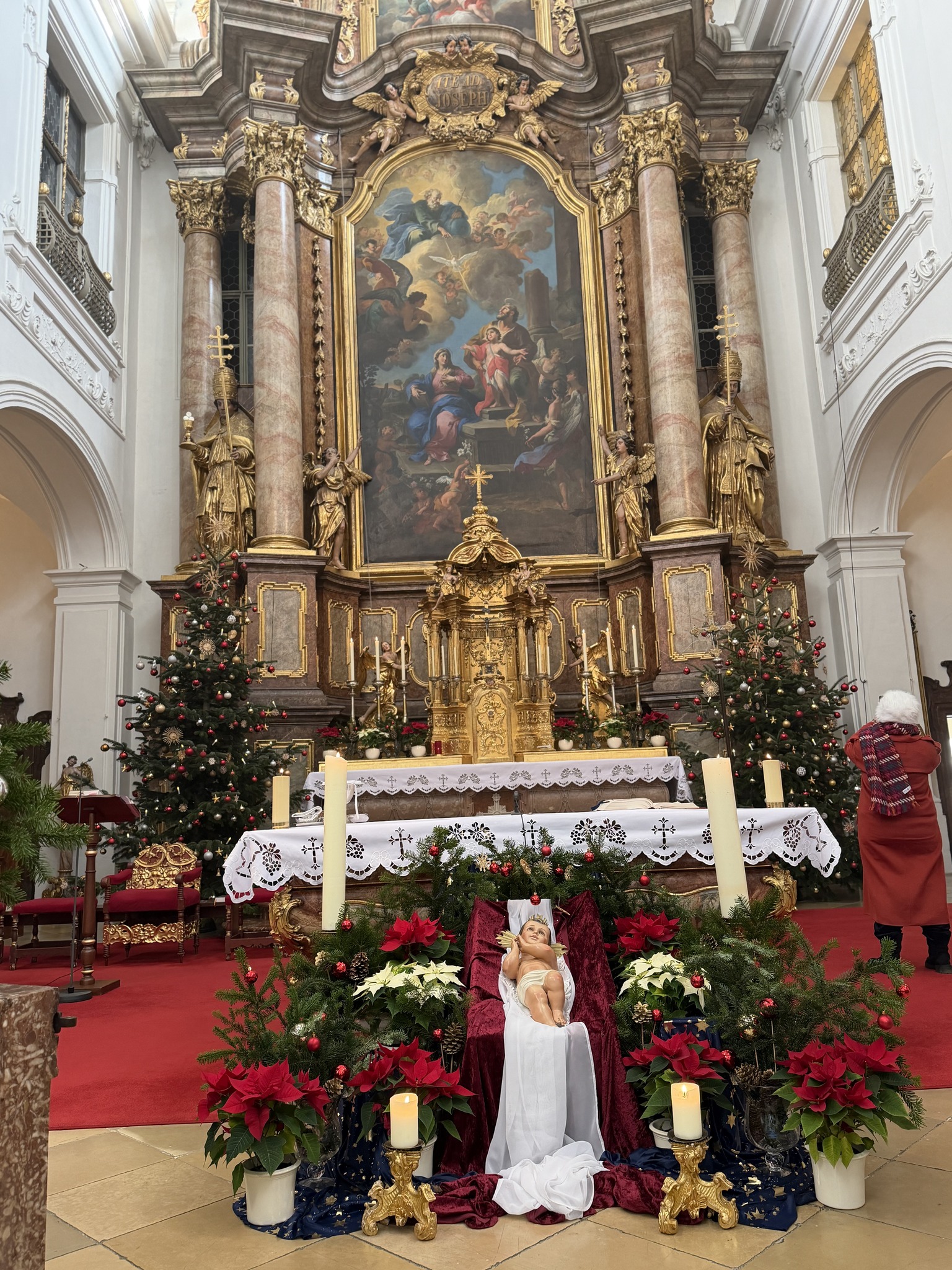
We wandered into the Ursuline Catholic Church (Ursulinenkirche), a beautiful 18th-century Baroque church. We ended up staying for the Christmas Day service, and it was genuinely magical. The organ filling the church, choir singing, candlelight flickering, locals quietly gathering. It was authentic, emotional, incredibly moving, and was just one of those unexpected travel moments you could never plan.
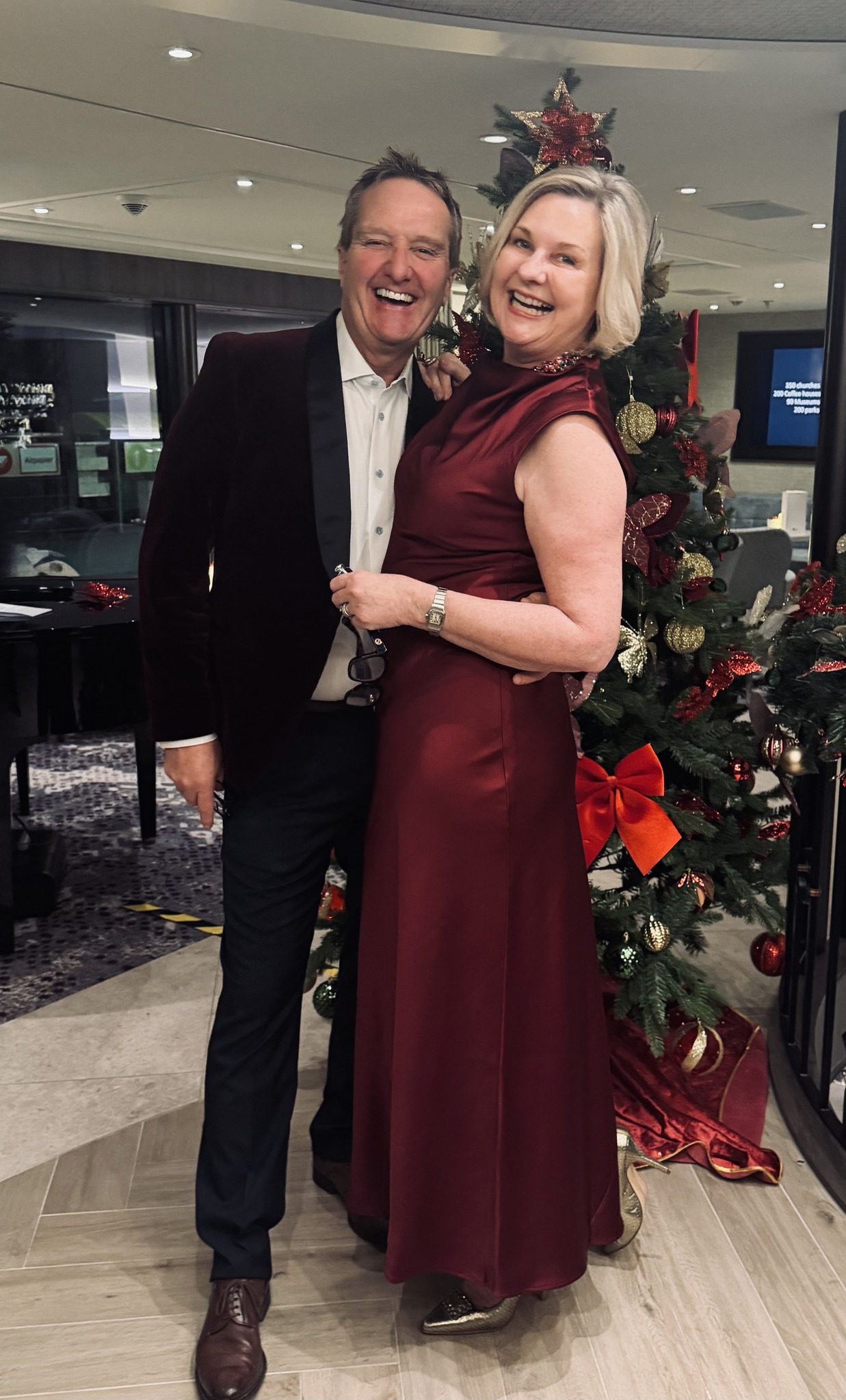
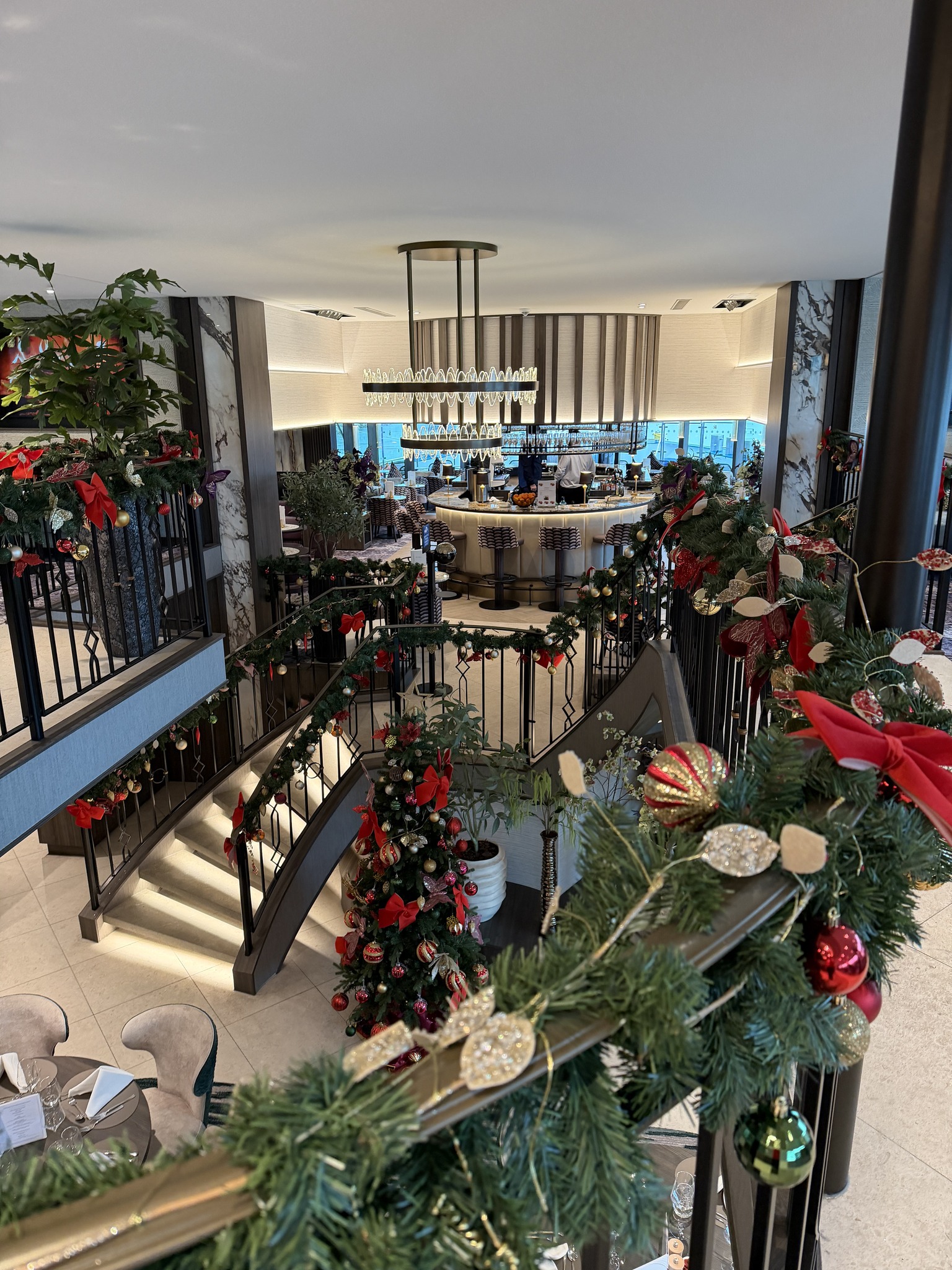
Back on board, the day took on a festive feel. The ship was beautifully decorated, and the crew created a proper Christmas atmosphere. We enjoyed a Christmas gala dinner with all the trimmings (with an Austrian twist!), a visit from Santa, and an evening of music and dancing.
What You’ll Love: Unexpected, meaningful moments like a Christmas service in a local church.
What You Need to Know: Water levels matter on river cruises. The Danube is currently low, and while we were lucky enough to sail the full itinerary, that isn’t always guaranteed. Lower levels can mean more engine noise and vibration, and yes, at 1:30am we hit the riverbed with a definite thud! Part of the reality of river cruising in certain conditions.
Day Five: Boxing Day in Vienna – Culture and Elegance
Boxing Day greeted us with perfect winter weather, bright, crisp and cold, making Vienna feel especially beautiful.
Unlike most cities on this trip, Vienna was one where the ship moors just outside the city, so we joined the organised coach excursion followed by a guided walking tour, and honestly, we really enjoyed it. Vienna benefits from context, and having a guide brought its history, architecture, and culture to life.
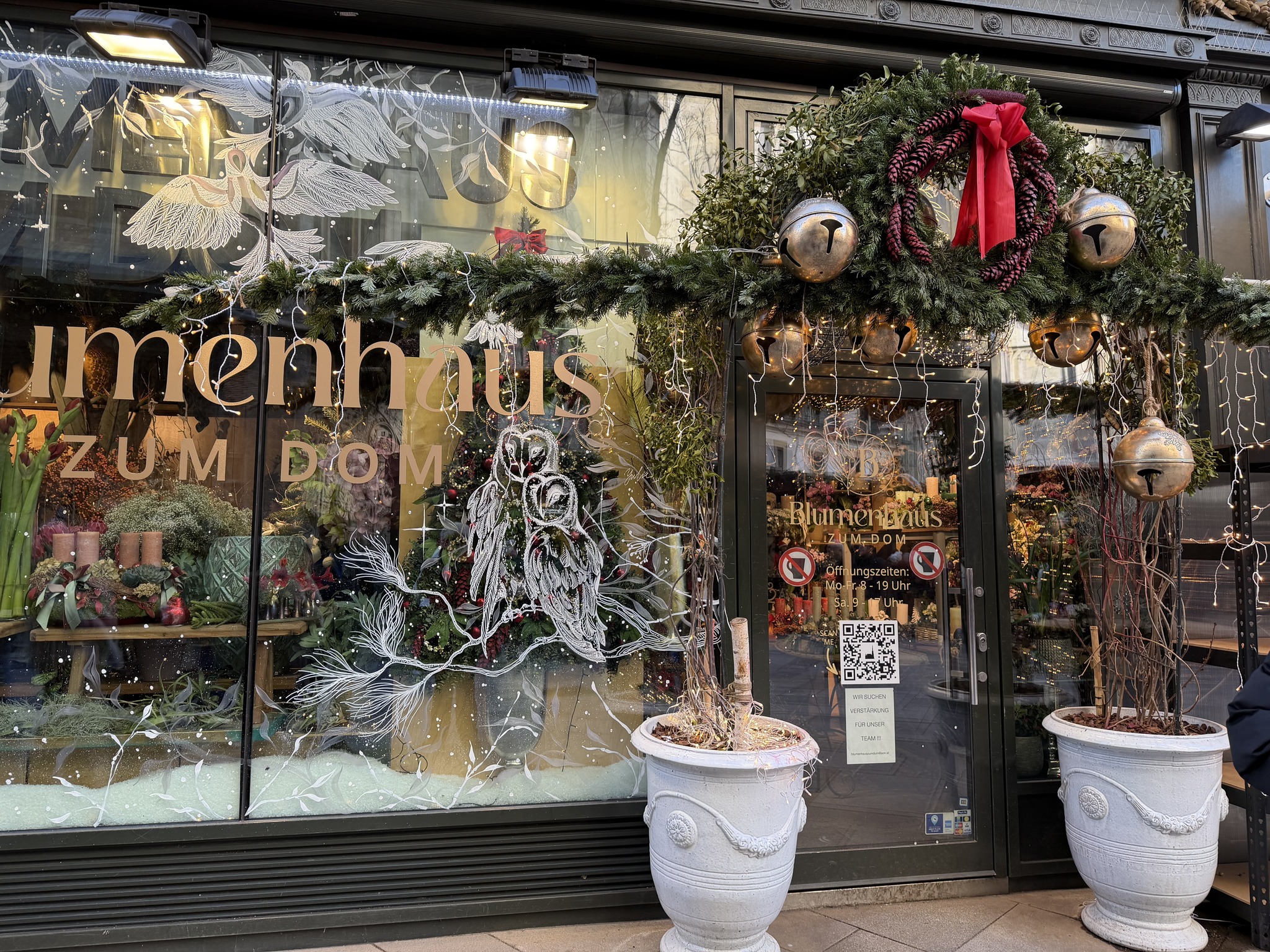
The city felt bustling and full of energy. While many shops were closed for the holiday, the Christmas market was still open and incredibly busy. We also stopped for authentic Viennese coffee and apple strudel. Delicious!
In the afternoon, there was an optional excursion to Schönbrunn Palace, the former summer residence of the Habsburg emperors. With over 1,400 rooms, it’s one of Austria’s most important Baroque landmarks and a UNESCO World Heritage Site.
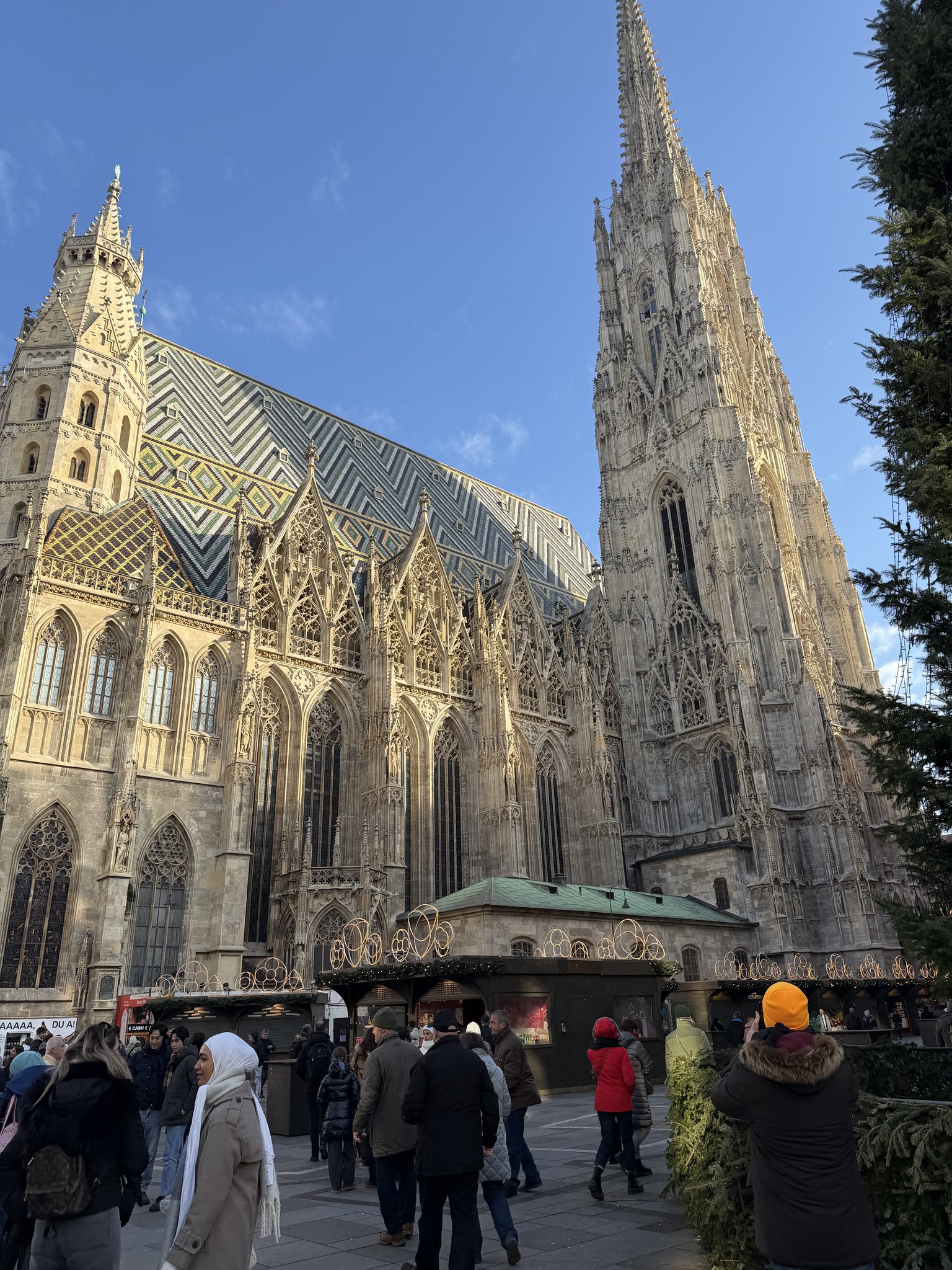
Vienna deserves more time. I’d absolutely recommend it as a longer city break, there’s so much to see: Schönbrunn Palace, Hofburg Palace, St Stephen’s Cathedral, Belvedere Palace (home to Klimt’s The Kiss), Vienna State Opera, Spanish Riding School, and famous coffee houses.
Back on board, we enjoyed our second gala dinner, followed by a performance from a string quartet, elegant, atmospheric, and the perfect match for such a musical city, closing with Vienna’s unofficial anthem, The Blue Danube.
What You’ll Love (or Maybe Not): River cruising is VERY social. At most meals, you’re joined by other guests, and conversations flow across tables. There are lots of solo travellers, and the environment makes it easy to feel included. For those who enjoy meeting new people and a sociable atmosphere, you’ll love this aspect. We sailed with UK-based company, Riviera, so guests are predominantly British. On a previous cruise with Avalon on the Rhône, most guests were American. But on both trips, we’ve met truly lovely people.
Day Six: A Sailing Day – Unexpected Rest
Day six was a sailing day as we made our way back from Vienna to Budapest (around 250km along the Danube). Originally, we were due to arrive in Budapest in time for 10am tours, but low water levels meant a much slower sail, pushing excursions back to 3:30pm.
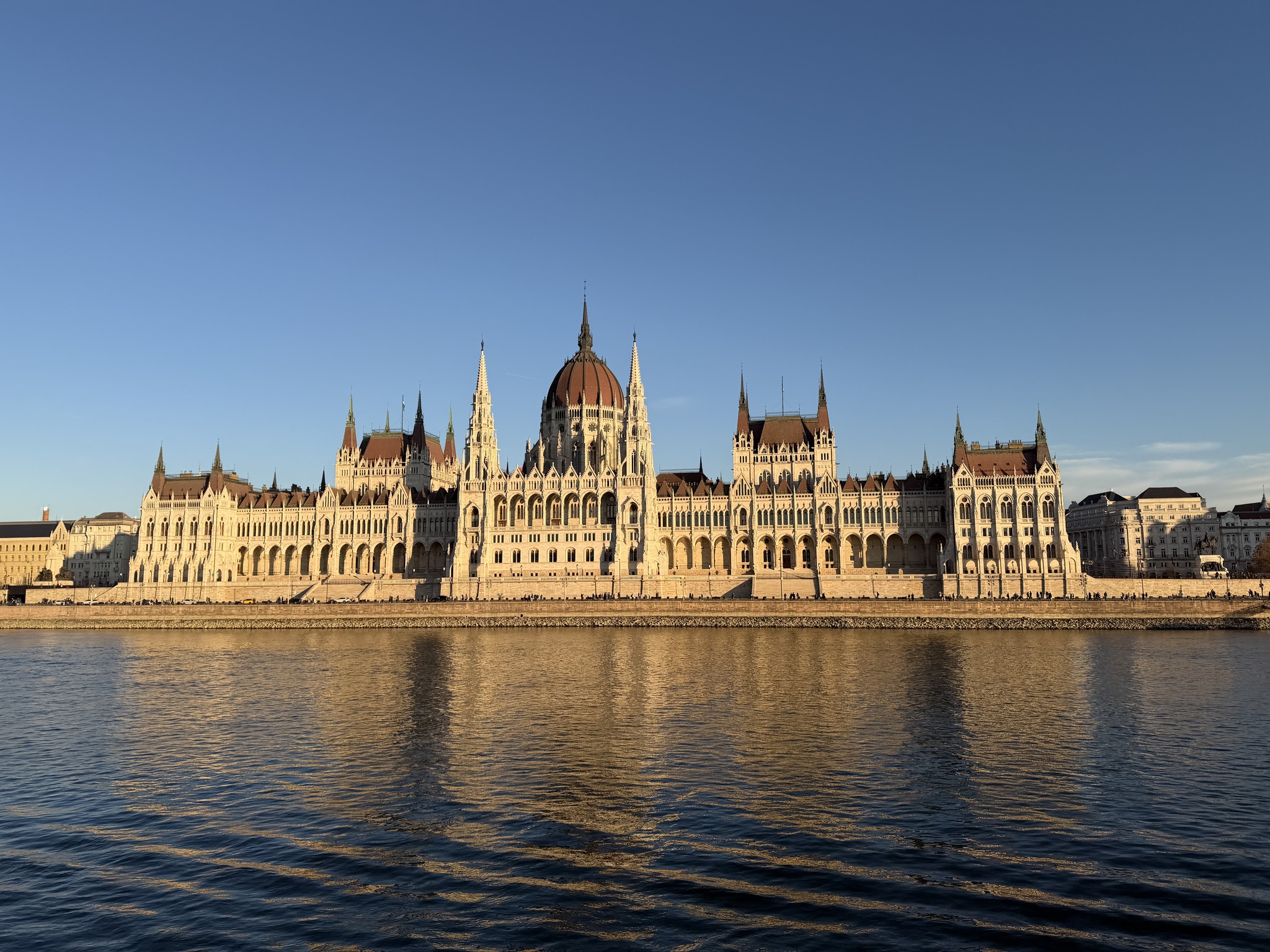
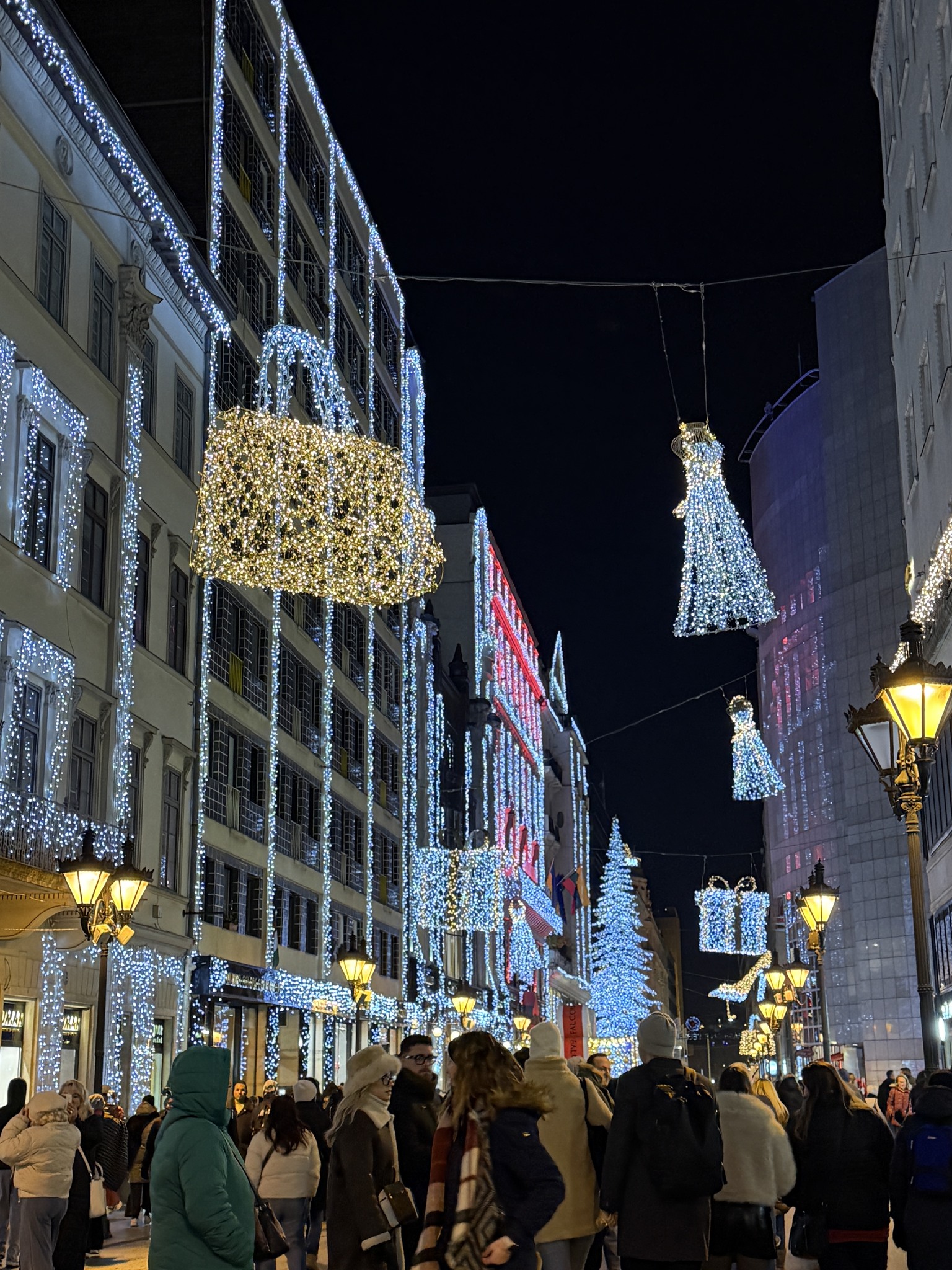
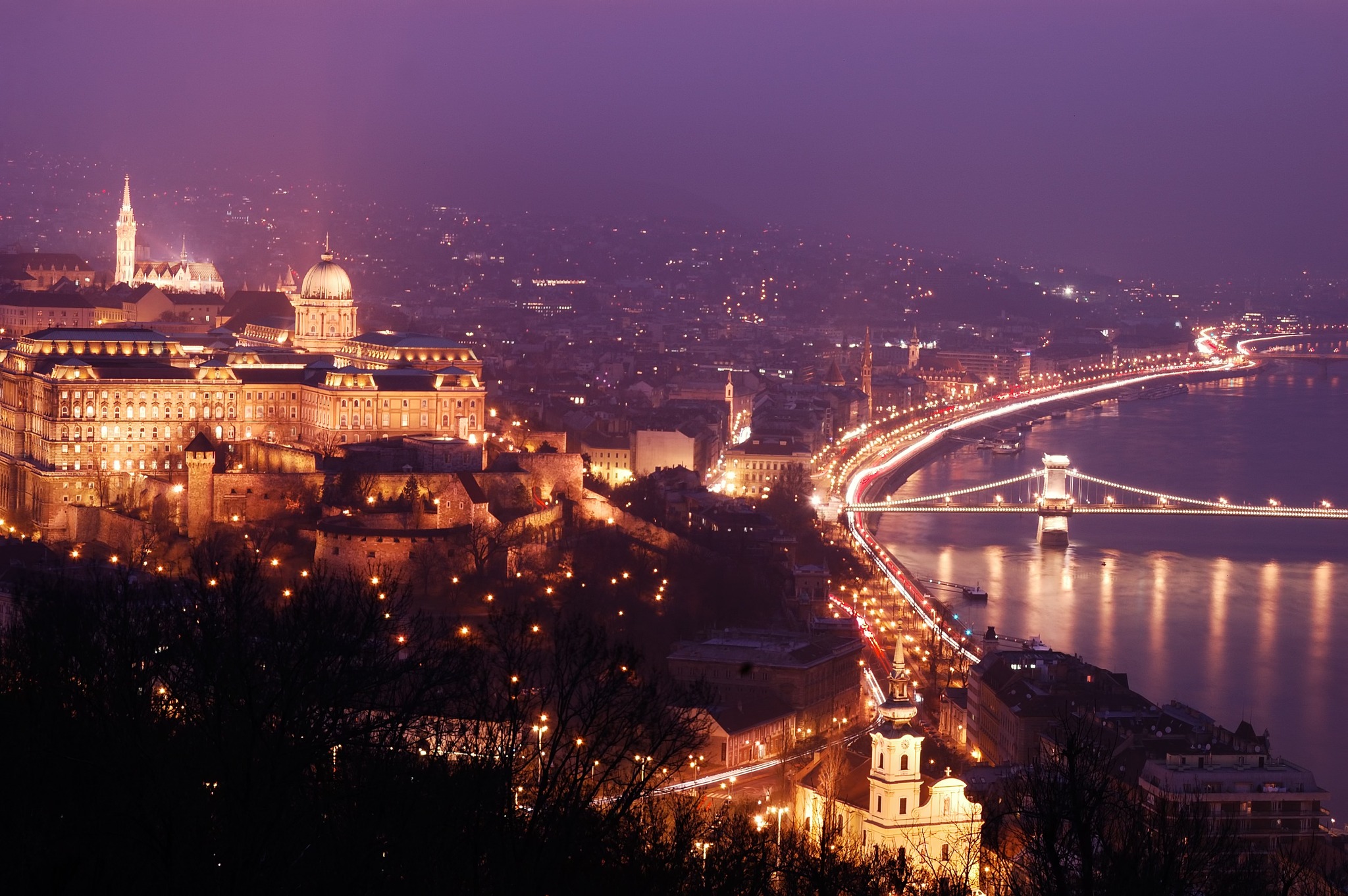
We joined the two-hour afternoon coach and walking excursion from the ship, heading up to the Castle District before crossing to Pest to see the Parliament Building, Opera House, and market. Timing couldn’t have been better. The sunset fading into dark skies meant Budapest’s Christmas illuminations were at their absolute best, and they really were something special.
While most guests hopped back on the coach, we chose to walk back to the ship, soaking it all in a little longer.
Important Note: This is one thing to be mindful of with river cruising, the itinerary is never set in stone, so you’ll need to be flexible!
Honestly, the delays came with a silver lining… very welcome lie-ins!
The trip had been fairly exhausting with late nights (entirely our own doing…) and early mornings essential if you want to make the most of tours, especially when you’re often leaving cities by lunchtime.
Days Seven & Eight: Budapest – A Grand Finale
We disembarked Riviera Radiance after our 7 night cruise and while most guests had booked Riviera’s cruise-and-flight package, just nine of us made our own onward arrangements. Given our delayed arrival due to low water levels, I’m so glad we planned two full extra days here.
This cruise is something I’ll definitely recommend to my clients!
Exploring Pest
On our final morning we left the ship at 10am and made the most of our first full day exploring the Pest side of the city, clocking up an impressive 10-mile walk. Staying right by St Stephen’s Basilica meant everything was walkable, and we explored Andrássy Avenue, the Opera House, Heroes’ Square, and the river promenade. One highlight was the beautiful outdoor ice-skating rink by Heroes’ Square, buzzing with activity and adding to the festive atmosphere. Pest is flat and easy to explore on foot.
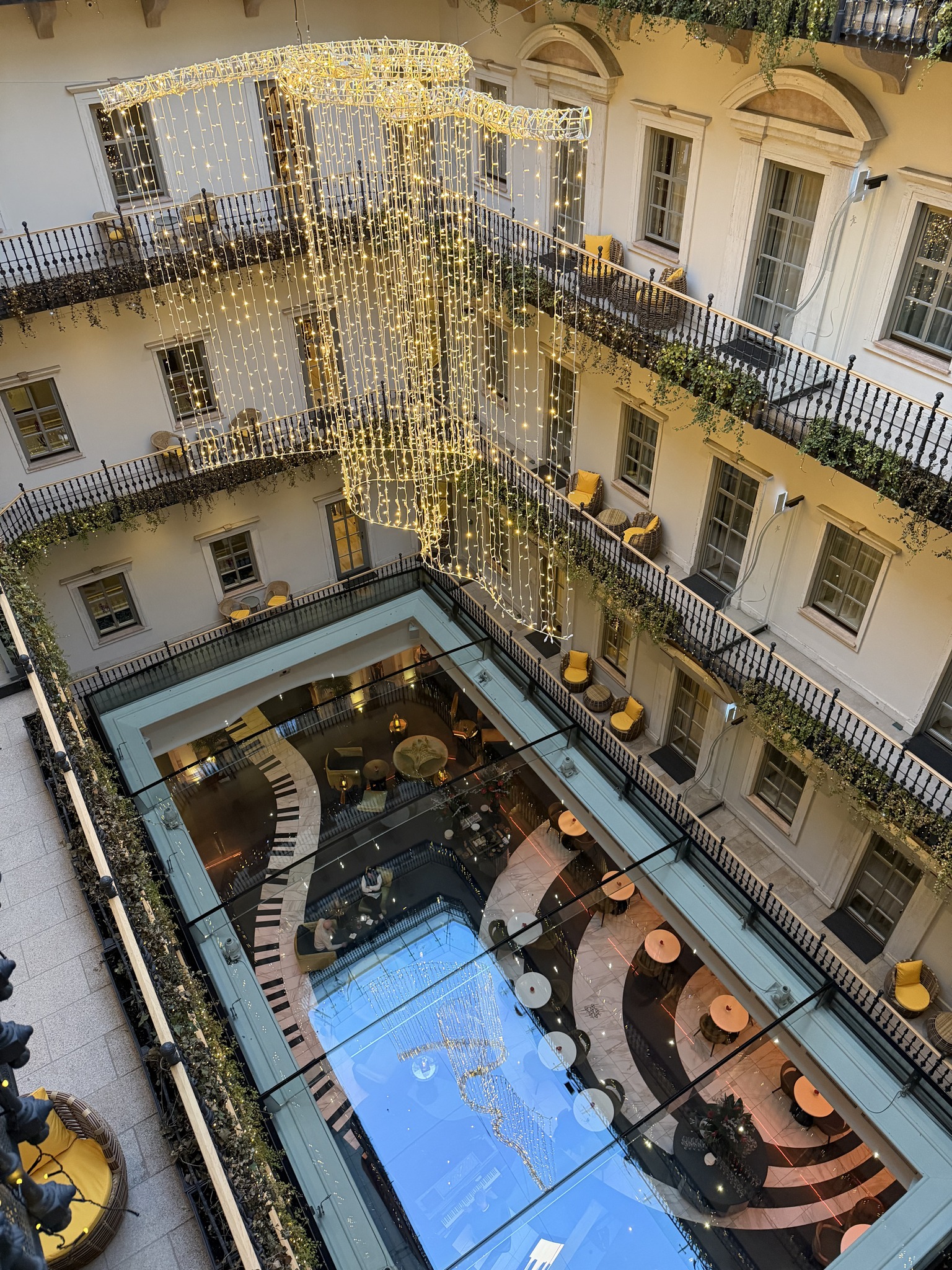
We stayed at the Aria Hotel Budapest, and it’s honestly one of the loveliest hotels we’ve ever stayed in. This luxury, music-themed boutique hotel felt calm and indulgent — and after our cosy cabin on Riviera Radiance, moving into a suite with a huge bed, freestanding bath, a lounge with a fireplace, and a vast marble shower room felt incredibly special.
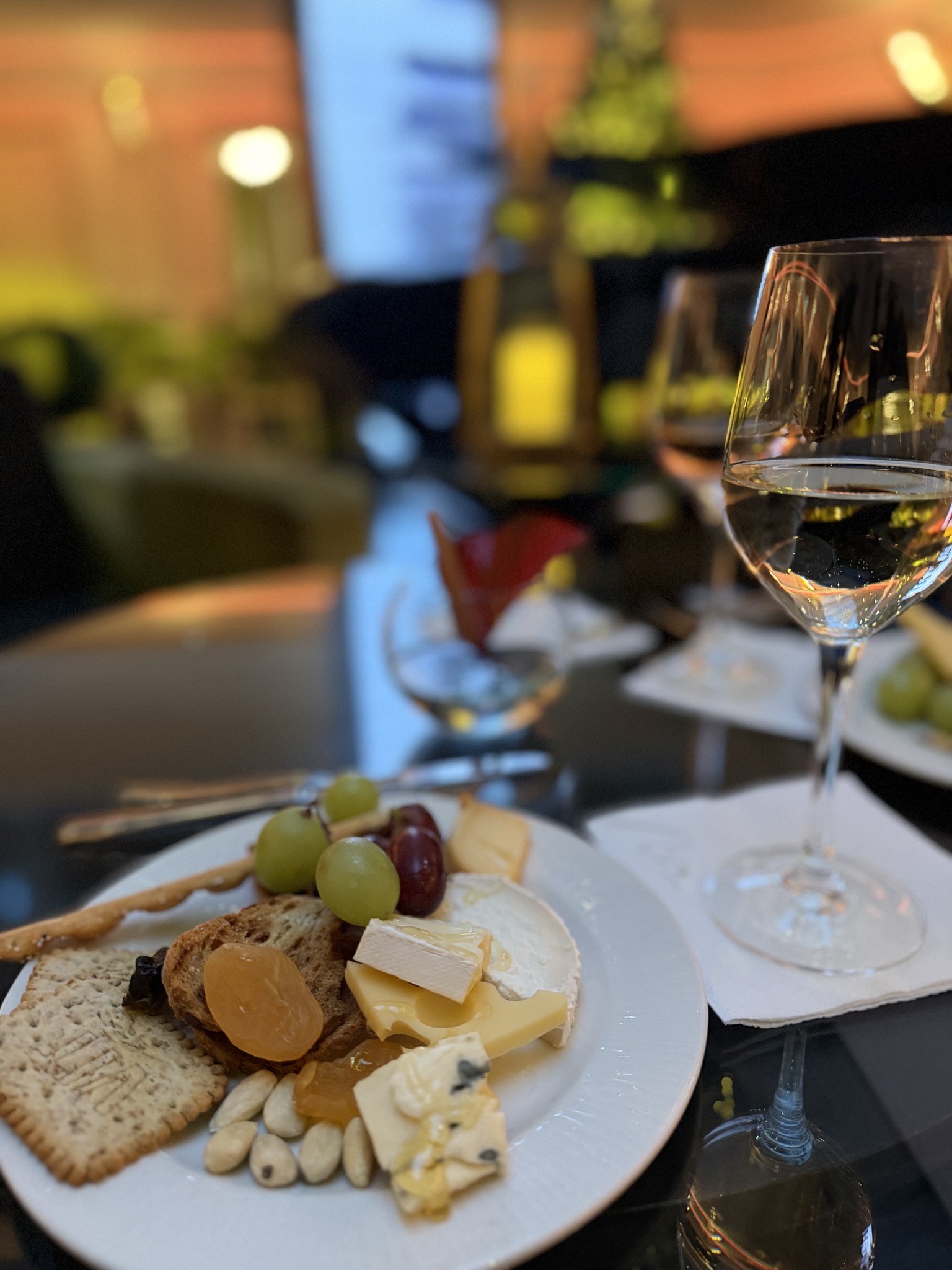
Our stay included complimentary wine and cheese between 4–6pm with a live pianist, and we found an incredible Hungarian restaurant — Retek — where we enjoyed warm hospitality and delicious traditional dishes.
Discovering Buda
On our final full day, we walked around 6 miles, starting with a visit to the magnificent Hungarian Parliament. From there, we walked along the Danube riverbank back towards the Chain Bridge, pausing at the deeply moving Shoes on the Danube Bank memorial — a quiet and powerful reminder of the city’s history.
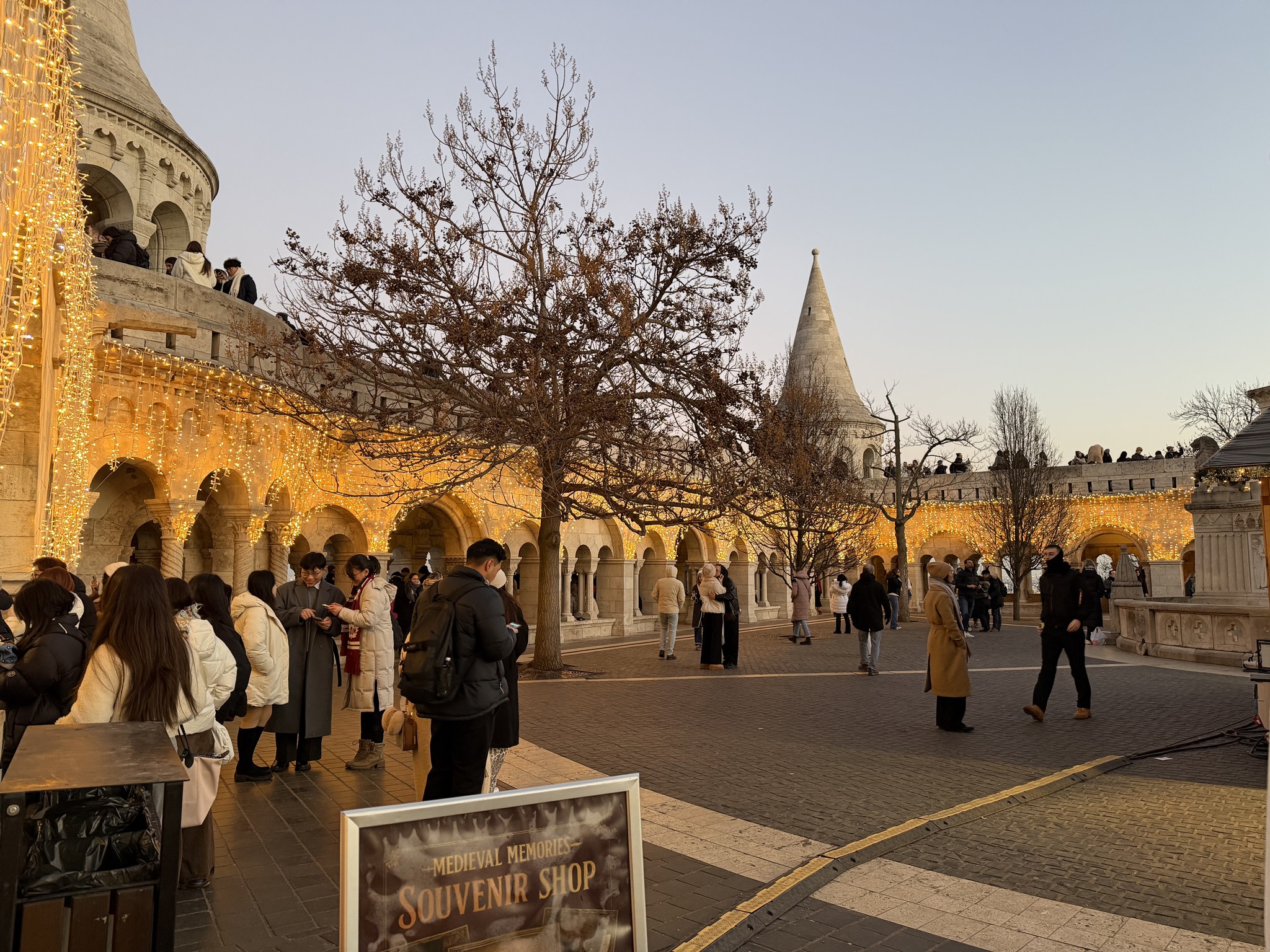
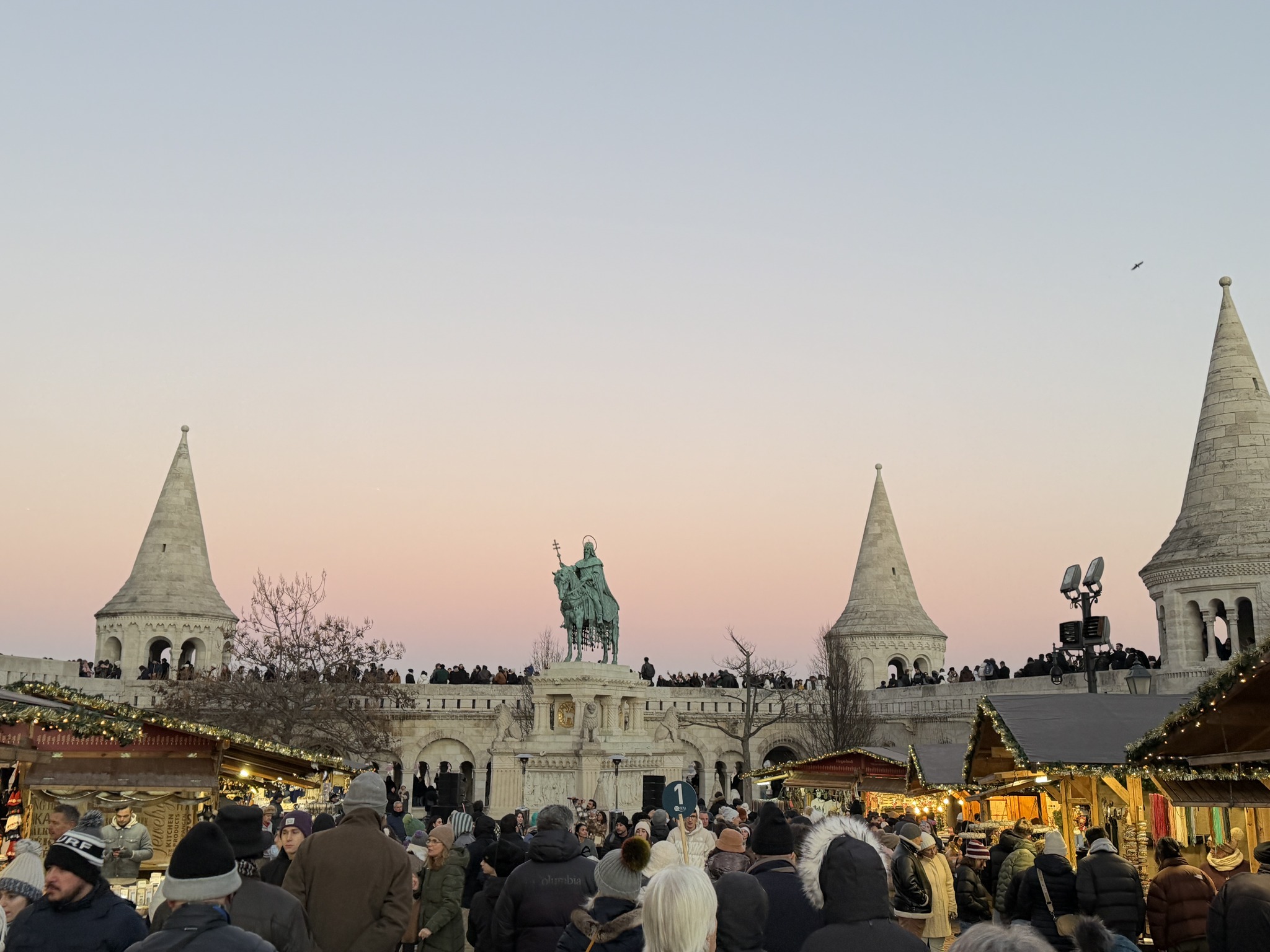
We crossed the Chain Bridge into Buda, where we explored Buda Castle, Fisherman’s Bastion, Matthias Church, and the cobbled streets of the Castle District. While the distance was shorter than yesterday (there are LOTS of steps), the reward for our efforts were the truly breathtaking views back across the river towards Pest.
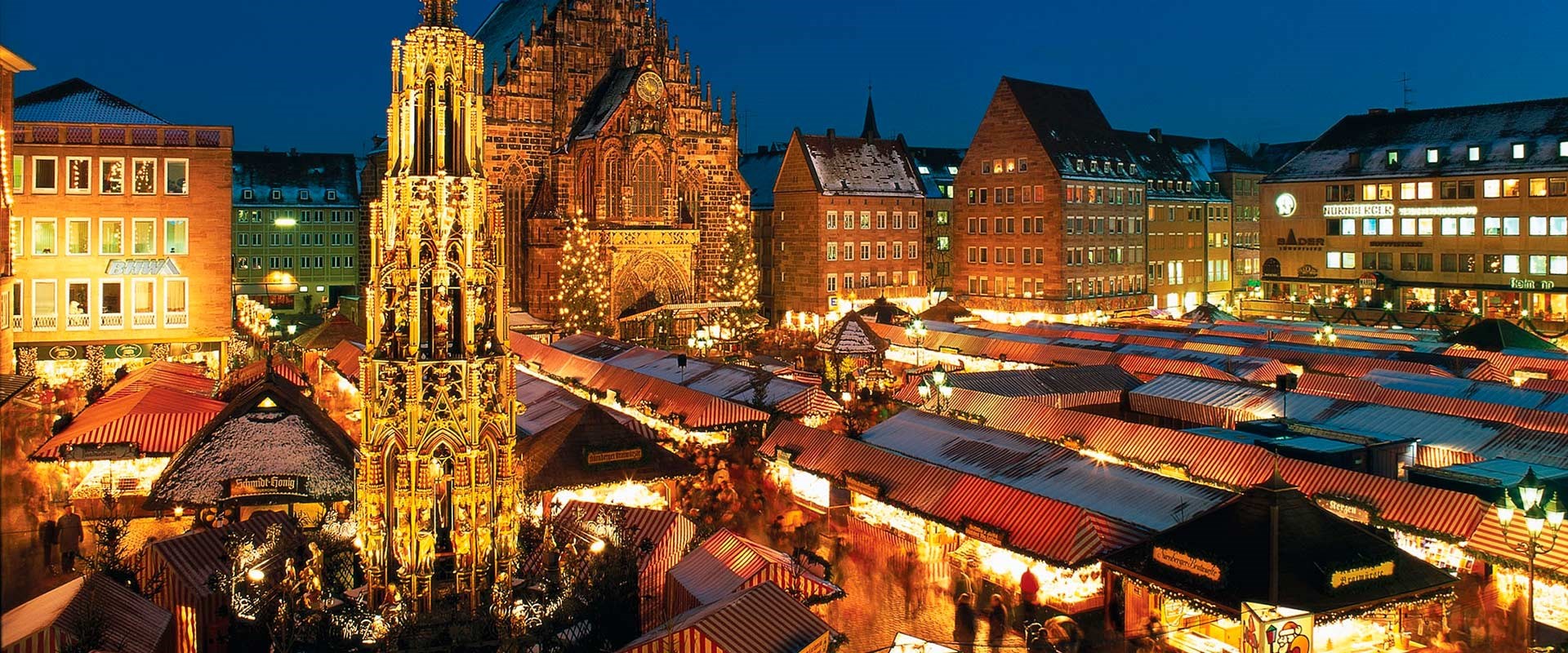
There were Christmas markets on both sides of the Danube (continuing into the New Year!), but we were right by the largest one outside St Stephen’s Basilica, and they were best I’ve seen. Beautiful gifts and decorations, incredible food, and plenty of warming cups of forralt bor (Hungarian mulled wine) — festive, atmospheric, and the perfect way to end our time here.
Final Thoughts
Christmas on the Danube was everything I hoped it would be — festive, cultural, social, and completely different from any Christmas we’ve had before. From the history of Esztergom and the charm of Bratislava, to the Baroque splendour of Melk, the unexpected magic of Christmas Day in Linz, the elegance of Vienna, and the unforgettable finale in Budapest, every day brought something special.
River cruising suited us perfectly — the ease of unpacking once, docking in city centres, the flexibility to explore independently or join excellent included excursions, and the social atmosphere of meeting fellow travellers.
Yes, there are practicalities to be aware of — compact cabins, engine noise, rafting, water levels affecting schedules — but none of these detracted from the overall experience. In fact, they’re simply part of the authentic reality of river cruising, and knowing about them upfront helps you embrace them rather than be surprised.
Would I recommend a Christmas river cruise on the Danube? Absolutely. It’s perfect if you love atmosphere, lights, music, markets, history, and culture — and if you’re happy to swap tradition for experience.
Budapest was an unforgettable finale, and while most guests headed home the day after, I’m so glad we planned those extra days. This beautiful city deserved every moment.
Would I go away for Christmas again? Hmm… find out my answer here…
If you’re considering going away for Christmas this year, get in touch with us for any advice or support you might need. Give us a call on 01902 288104, send us a message, or book an appointment. We would love to help you plan the perfect festive getaway!


Should you Spend Christmas Away from Home?
A Personal Reflection and Practical Guide
By Gilly Bachelor
Christmas away from home isn’t something most of us imagine doing. For years, the festive season has meant familiar routines, traditional meals with family, and knowing exactly how the day will unfold. But sometimes life changes, circumstances shift, or we simply crave something different.
Last Christmas, I spent the holiday on a Danube river cruise with my husband Brian — and it was our first time away from home for the festive season. It was a decision born from loss; I lost my mum back in March, and this year I needed to do something different. You can read my full review of the Danube here.
You’re Not Alone in Wanting Something Different
What surprised me most wasn’t the beautiful Christmas markets or the twinkling lights of Budapest—it was meeting so many others who were away for the first time, many of whom had wrestled with their decision and felt a touch of guilt.
Their reasons were varied but deeply personal: children living abroad who couldn’t make it home, recent divorces or separations, bereavement, and solo travellers seeking freedom over tradition. There was an understanding among us all — we’d chosen to do something different, and that shared decision created an unexpected sense of community.
One couple told us they’d made the decision quite late, driven by the realisation that their usual Christmas gathering wouldn’t be the same this year. Another solo traveller confided that staying home felt lonelier than the idea of being surrounded by strangers who understood. Each story was unique, yet there was a common thread: sometimes the bravest thing you can do is choose a new path.
The Honest Truth About Christmas Away
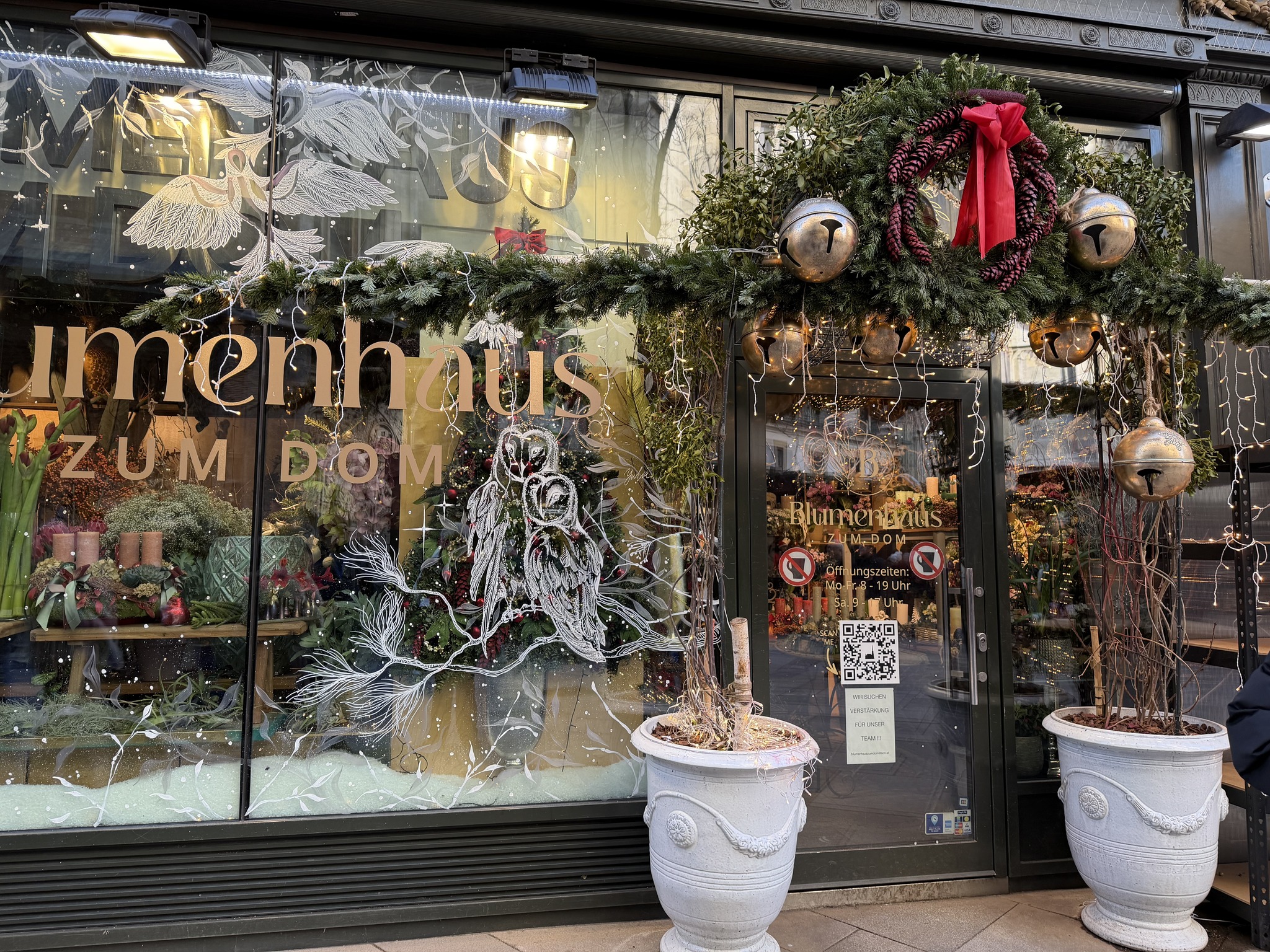
Did it feel “Christmassy”? That’s complicated. It felt festive, absolutely — carol services in stunning European churches, Christmas markets in multiple cities, seasonal concerts, and some of the most beautiful illuminations I’ve ever seen. But without the big family table, familiar rituals, and presents under the tree, it wasn’t Christmas as I’d always known it.
And that was okay. Actually, it was more than okay — it was exactly what I needed.
Being surrounded by people who’d also chosen to do something different made it feel shared rather than lonely. We attended Christmas Day Mass in Linz and lit candles for family back home, which was genuinely magical. We had gala dinners with new friends we’d made onboard. We video-called loved ones daily. It became a different kind of Christmas — one I’ll always remember.

The Practical Reality: Book Early
Here’s where I need to be completely honest, because if you’re considering Christmas away, timing matters enormously.
Many of the guests we met had made their decision late – less than two months before travel. By then, they faced higher prices and limited availability. The best cabins were gone, flights were more expensive, and in some cases, their preferred destinations or cruise lines were fully booked.
Brian and I booked relatively late ourselves, and while we still had a wonderful experience, we ended up with one of the smaller cabins with limited storage. It was comfortable, but I’d have preferred more space — and that was entirely down to booking late and having very limited choice.
If you’re seriously considering spending Christmas away from home, my biggest piece of advice is this: plan early.
Ideally, start looking in spring or early summer for the following Christmas. You’ll have:
- Better cabin selection and room categories
- More competitive pricing
- Greater choice of departure dates and itineraries
- Lower flight costs if you’re travelling to embarkation ports
- Time to arrange any necessary travel documents or visas
The difference between booking in February and booking in November can be thousands of pounds and the difference between your dream cabin and settling for what’s left.
Also, if you’re leaving loved ones behind, the earlier you share your plans, the more time they have to adjust—and to adjust their own plans. The first person I told was my sister, as we always spend Christmas together. I knew she’d be supportive, but I also knew she’d be upset—honestly, that was the hardest part.
Is Christmas Away Right for You?
A Christmas river cruise — or any festive getaway — works beautifully if you love atmosphere, lights, music, and markets, and if you’re happy to swap tradition for experience. It’s festive without the stress, social without pressure, and incredibly memorable.
But it’s important to be honest: it isn’t a “home-style” Christmas. There aren’t familiar family traditions, and for some that might feel like too much of a trade-off.
For me, it felt refreshing. For others onboard, it felt like exactly the escape they needed. But everyone agreed on one thing: it required letting go of expectations and embracing something new.
Would I Do It Again?
Absolutely. But next year, we’ll be at home.
That’s the beauty of trying something different — you learn what you need. This Christmas gave me space to grieve differently, to experience something new with Brian, and to meet remarkable people navigating their own changes. It didn’t replace Christmas at home; it simply became a different kind of Christmas.
If you’re considering it — whether through loss, changing family dynamics, or simply curiosity — I’d encourage you to be brave. Just remember to plan early, be realistic about what it will and won’t be, and give yourself permission to create new memories.
Sometimes the most meaningful traditions are the ones we never planned to start.
If you’re considering a festive river cruise or Christmas getaway and would like expert advice on timing, destinations, and booking, get in touch with us on 01902 288104, send us a message, or book an appointment . We specialise in international travel and can help you plan the perfect Christmas away — at the right time, and the right price.